

NFT Renting Explained: How Scholars, Guilds and Players Share Game Assets Without Selling Them
You do not have to buy an expensive game asset to play with it. In many blockchain games, you can rent it instead. NFT renting separates use from ownership: the owner keeps the asset, a player borrows it for a set time or a share of earnings, and a smart contract or a guild agreement governs the deal. This beginner guide explains how scholars, guilds and players share game assets without selling them, why the model grew so fast, and where it can go wrong.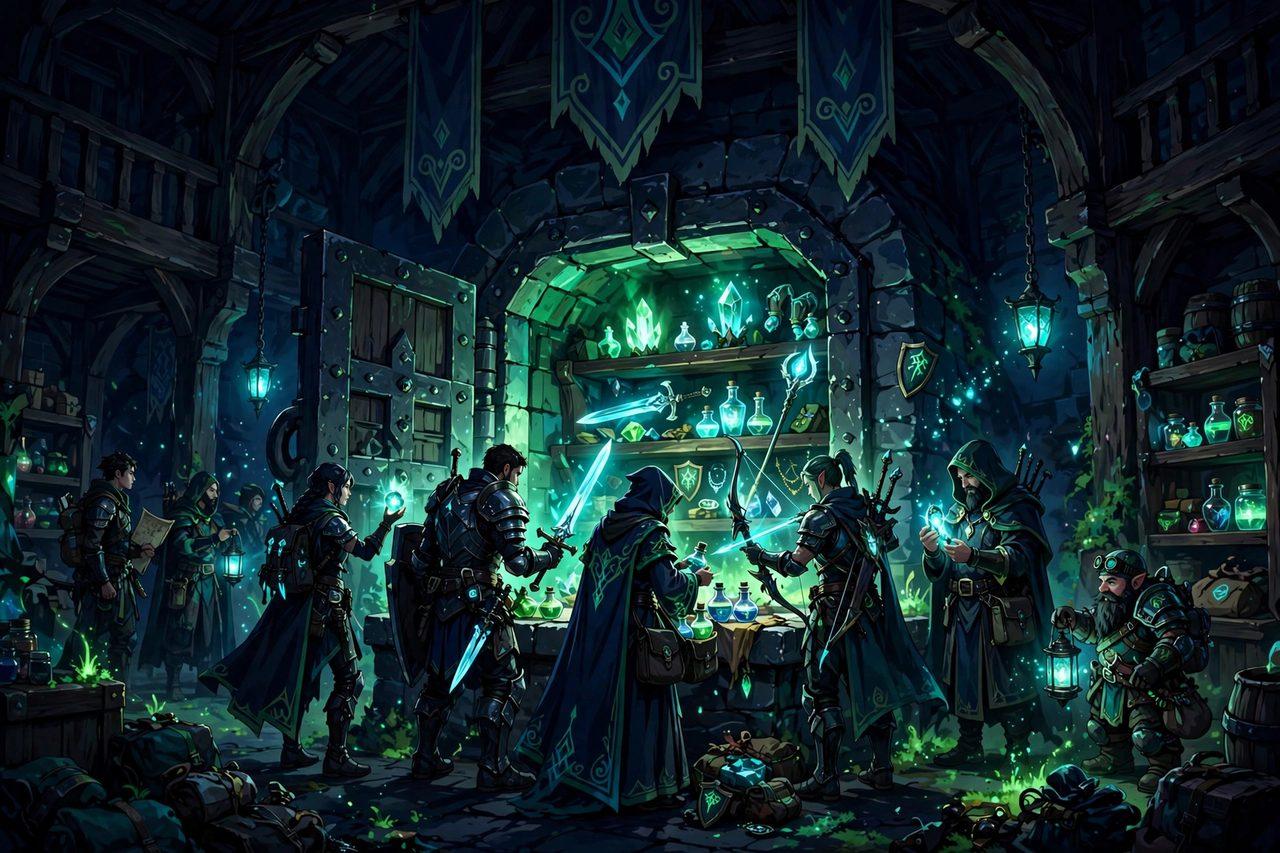
What renting means in a game
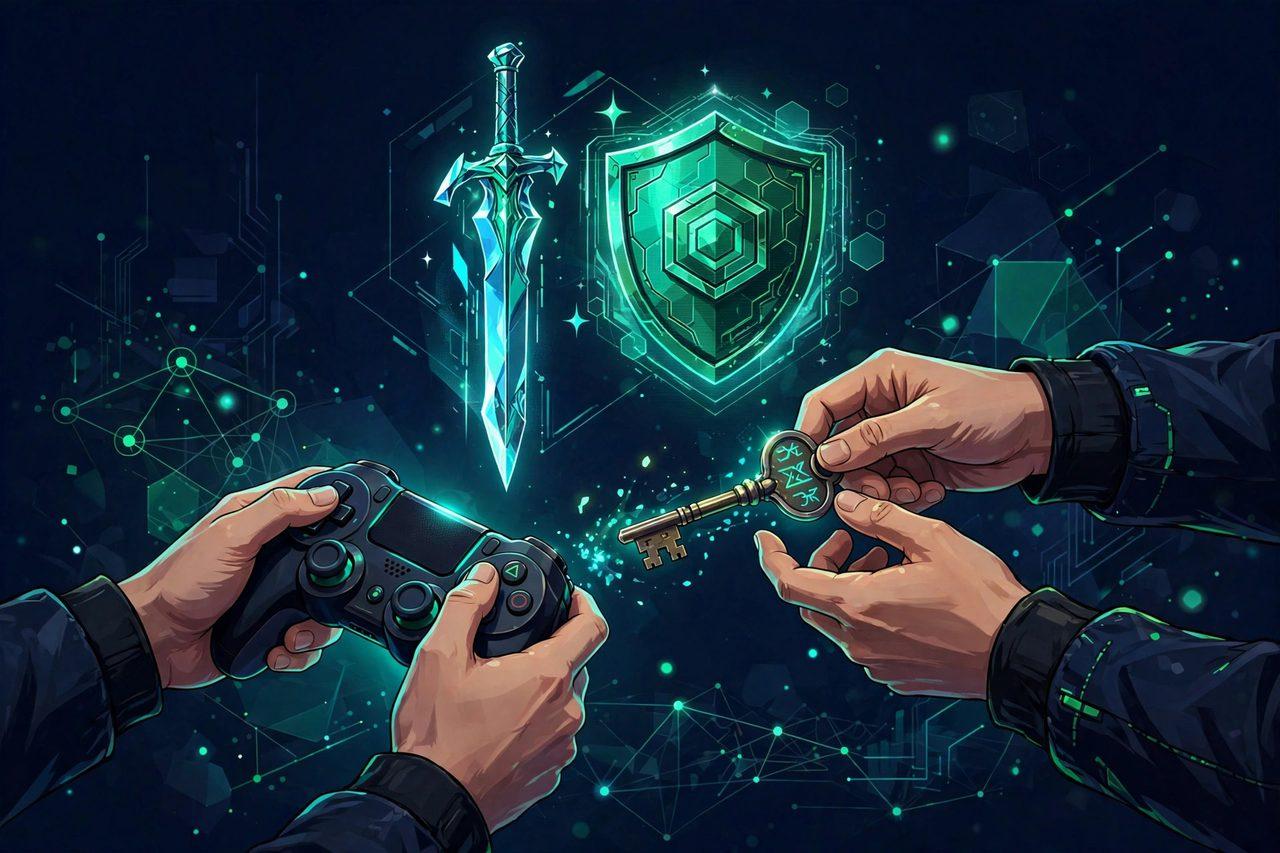
Renting separates use from ownership. The owner, often a guild or an individual investor, keeps legal and on-chain title to the NFT. The renter, often called a scholar, gets temporary permission to use the asset in the game, usually a character, a land plot, a weapon or a team. The renter does not have to pay the full purchase price, and the owner does not have to sell an asset that might appreciate or generate ongoing rewards.
Scholars, managers and guilds
A scholarship is the most common rental model. A guild pools capital, buys game NFTs, and lends them to scholars who play and earn. A manager, sometimes called a team leader, recruits scholars, trains them, tracks performance and handles payouts. Earnings are then split by an agreed rule. A common split is 70 percent to the scholar, 20 percent to the manager and 10 percent to the guild treasury, while a simpler model is 70 percent to the scholar and 30 percent to the guild or manager combined. Those numbers are examples, not guarantees, and they vary widely by game, guild and season.
Why scholars needed rentals in the first place
At the height of the play-to-earn boom, starting a game could cost hundreds of dollars. In Axie Infinity, for example, a player needed a team of Axies, and prices at the boom made that team unaffordable for many players in the Philippines, Venezuela, Indonesia and other countries where the game became a source of income. Guilds solved the capital problem by buying teams and lending them out. Yield Guild Games, one of the best-known guilds, reported around 30,000 scholarships at its 2022 peak. For scholars, that was a job-like opportunity. For guilds, it was a way to scale earnings across many players without selling assets.
Trusted scholarships and their weaknesses
Early scholarships were trusted arrangements. The guild held the NFTs, the scholar played on a linked account, and the guild paid out earnings on a schedule. That worked while rewards were high, but it created weaknesses. Scholars depended on the guild to pay fairly and on time. Guilds had to manage people like a human-resources department, with recruitment, disputes, inactivity and account security. If a scholar misused an account, or if a manager delayed payment, there was often no automatic remedy. Those frictions pushed the market toward on-chain rentals.
On-chain rentals and smart contracts
On-chain rentals use a smart contract to automate return and payment. The contract grants temporary use rights and returns the asset automatically when the rental ends, without transferring ownership. Aavegotchi lending is a well-known example of this approach, and the ERC-4610 standard was designed to separate use rights from ownership rights on-chain, so a renter can use an NFT while the owner retains title. This reduces counterparty risk, but it does not remove game risk, price risk or rule-change risk. A contract can only enforce what the game and the chain 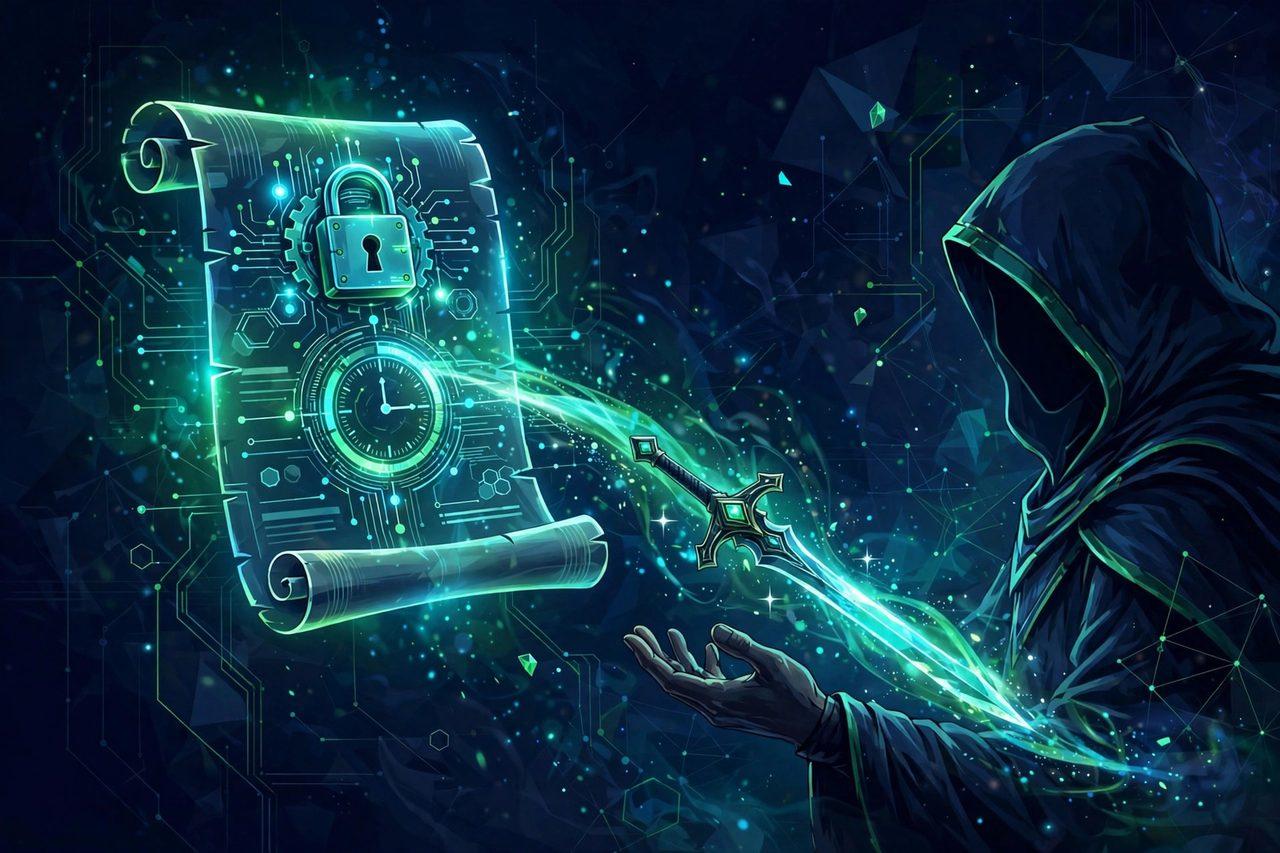 allow it to enforce.
How big is renting now
Industry data cited for 2025 put guild leasing at about 18 percent of blockchain game economy transactions, with rental volumes up about 35 percent that year. Those figures describe a growing niche, not a guarantee of profit. Growth in transactions can reflect more rentals, more games, or both, and it does not mean every rental is fairly priced or every game will survive.
The warning every scholar should remember: SLP
The clearest warning comes from Smooth Love Potion, or SLP, the reward token in Axie Infinity. SLP fell from about 0.40 dollars to under 0.01 dollars. Consider a scholar earning 5,000 SLP in a week. At 0.30 dollars, that is 1,500 dollars. At 0.01 dollars, that is 50 dollars. The split, whether 70/30 or 70/20/10, meant nothing when the underlying reward collapsed. Renting can improve access, but it cannot protect a scholar from a token price collapse, a reward cut, or a game losing players.
Checks before you rent anything
• What exactly is rented, for how long, and can it be used in the game modes you want?
• Is the split and payout schedule written in the contract, or only promised in chat?
• Who pays gas and other fees, and what happens if the chain is congested?
• What happens if the game shuts down, changes its rules, or bans rented accounts?
• Do the game terms actually allow rental, or could the account be suspended?
• Never share your seed phrase, private key or full wallet access with a guild, manager or renter. A legitimate rental should not need them.
For owners, the checks are similar in reverse: verify the renter, set a clear end date, understand tax and fee treatment, and remember that an asset can fall in value while it is rented out.
Frequently asked questions
What is NFT renting? It is a way to lend temporary use of a game NFT without selling it. The owner keeps title, the renter plays with the asset, and earnings or fees are shared by agreement or smart contract.
Who is a scholar? A scholar is a player who borrows game NFTs from a guild or owner and plays to earn rewards, sharing those rewards under an agreed split.
What is a typical split? A common example is 70 percent to the scholar, 20 percent to the manager and 10 percent to the guild treasury. A simpler model is 70 percent to the scholar and 30 percent to the guild or manager. Splits vary by game and guild.
How did guilds grow so large? Guilds pooled capital to buy expensive teams and lent them to players who could not afford them. Yield Guild Games reported about 30,000 scholarships at its 2022 peak.
What is the difference between trusted and on-chain rentals? Trusted rentals rely on a guild to pay out and manage accounts. On-chain rentals use a smart contract to grant use rights and return the asset automatically, for example through Aavegotchi lending and the ERC-4610 approach that separates use from ownership.
Is renting risk-free for scholars? No. Rewards can collapse, as SLP did from about 0.40 dollars to under 0.01 dollars, games can change rules, and payouts can be delayed or disputed in trusted models.
Should I share my seed phrase to rent? Never. No legitimate rental requires your seed phrase or private key.
Can I rent if I own the NFT? Yes. Owners can lend assets they do not use, but they should check game terms, fees, end dates and the risk that the asset falls in value during the rental.
This guide is market news and general information only, not financial advice.




