

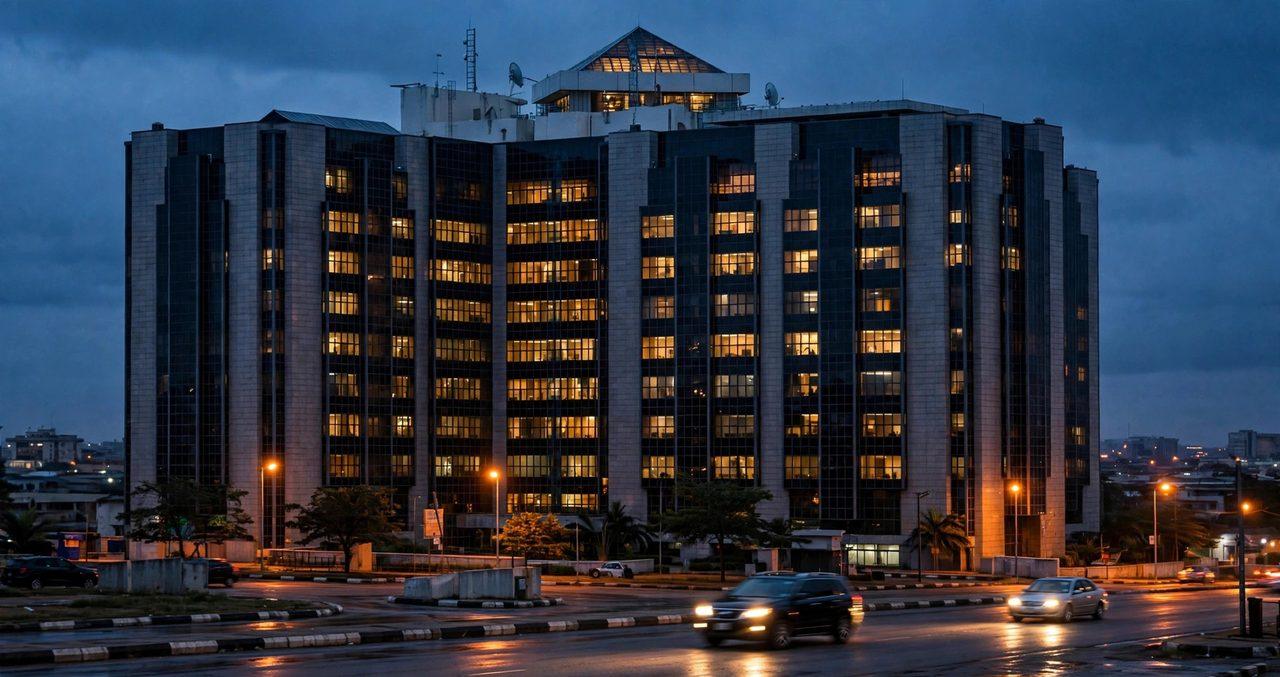
Nigeria's Central Bank Sets $11.16M Capital Rule for Stablecoin Issuers — and Bans Algorithmic Stablecoins

Intro
Nigeria just drew the clearest line yet around stablecoins in Africa's largest crypto market. The Central Bank of Nigeria (CBN) has introduced a formal licensing framework for stablecoin issuers: foreign-currency stablecoin issuers must hold at least ₦15 billion ($11.16 million) in paid-up capital and operate through a locally incorporated, licensed entity — or lose access to Nigerian users. Algorithmic stablecoins are banned outright.
The regulations took effect on November 5, 2026, and existing operators have 180 days to apply for the appropriate licence. The full framework was reported by The Block.
What the New Rules Require
The framework, released on Thursday evening, creates separate licensing categories for naira-referenced and foreign-currency-referenced stablecoins. The headline requirements are:
- Foreign-currency stablecoins (such as USDT and USDC): issuers must maintain at least ₦15 billion ($11.16 million) in paid-up capital and establish a licensed entity incorporated in Nigeria.
- Naira-backed stablecoins: issuers must hold at least ₦10 billion ($7.44 million) in minimum capital.
- Algorithmic stablecoins are prohibited — the ban covers tokens that rely primarily on market dynamics and supply adjustments, rather than eligible reserve assets, to hold their peg.
- Per-token approval: issuers need the CBN's written approval for each token, covering its classification, reference currency, reserve arrangements, name, ticker and supported blockchain networks.
- AML and counter-terrorist financing obligations apply in full.
Crucially, the rules reach beyond Nigeria's borders. They cover virtual-asset activities carried out in Nigeria, directed at Nigerian users, or affecting the country's financial system — even if the operator has no physical presence in the country.
Why Nigeria Moved Now
The regulations arrive nearly three months after the CBN opened the second cohort of its regulatory sandbox in August, creating a dedicated track for stablecoin issuers and other virtual-asset companies to test their products under supervision for the first time. That sandbox experiment has now hardened into a permanent licensing system.
The division of labour is also now explicit: the CBN has authority over stablecoins and virtual assets used for payments, transfers, remittances, foreign exchange and settlement, while the Securities and Exchange Commission retains oversight of securities and capital-market activities.
For context, Nigeria is Africa's largest cryptocurrency market, and dollar-pegged stablecoins such as USDT and USDC are widely used there for savings, remittances and everyday payments. A licensing regime with real capital requirements changes the competitive picture: well-capitalised, compliant issuers gain a clear legal path, while smaller or opaque operators face a hard choice — incorporate and capitalise, or exit.
A Global Pattern: Regulators Are Writing the Stablecoin Rulebook

Nigeria is not acting alone. On the same week, the Bank of Russia set November 17, 2026 as the effective date for rules opening Bitcoin, Ether and USDT to retail investors, with purchases capped at 300,000 rubles a year per intermediary and mandatory testing for all investors. Moscow Exchange plans pilot crypto trading from December 1.
The direction of travel is consistent across markets: stablecoins are being pulled inside the regulated perimeter, with capital, reserves and licensing as the price of admission. The era of launching a dollar-pegged token and figuring out compliance later is closing — in Lagos, in Moscow, and increasingly everywhere else.
What to Watch Next
- The 180-day clock: existing operators must apply for licences within 180 days. Watch which global issuers incorporate in Nigeria — and which ones walk away.
- The naira stablecoin race: the lower ₦10 billion threshold could encourage local naira-pegged tokens, which would compete directly with dollar stablecoins for everyday payments.
- Enforcement signals: the framework's reach over operators with no physical presence in Nigeria will be tested the first time a major offshore issuer is told to comply or stop serving Nigerian users.
- The algo-stablecoin precedent: Nigeria's outright ban adds to the post-Terra consensus that unbacked algorithmic pegs have no place in a regulated market.
For traders and builders, the message is straightforward: stablecoins are becoming regulated financial infrastructure, and the issuers that survive the transition will be the ones that treat licensing and reserves as product features, not paperwork.
Read more on how exchanges operate under tightening rules in our guide to how crypto exchanges make money, and on keeping user funds safe in our cold-storage guide. Follow the conversation on the Zimbuck News page and in the Zimbuck Market News group.
FAQ
What is the capital requirement for foreign stablecoin issuers in Nigeria? At least ₦15 billion (about $11.16 million) in paid-up capital, plus a locally incorporated, licensed entity.
Are algorithmic stablecoins banned in Nigeria? Yes. The CBN's new framework prohibits tokens that rely primarily on market dynamics rather than eligible reserve assets to maintain their value.
How long do existing operators have to comply? 180 days from the date the regulations took effect to apply for the appropriate licence.
Do the rules apply to companies with no office in Nigeria? Yes. They cover activities directed at Nigerian users or affecting Nigeria's financial system, even without a physical presence.
Who regulates what? The CBN covers stablecoins used for payments, transfers, remittances and settlement; the SEC retains oversight of securities and capital-market activities.
This article is market news and general information only, not financial advice. Join the conversation on Zimbuck — the finance social platform for traders and investors.




