


Opal Buying Guide for First-Time Buyers in the USA
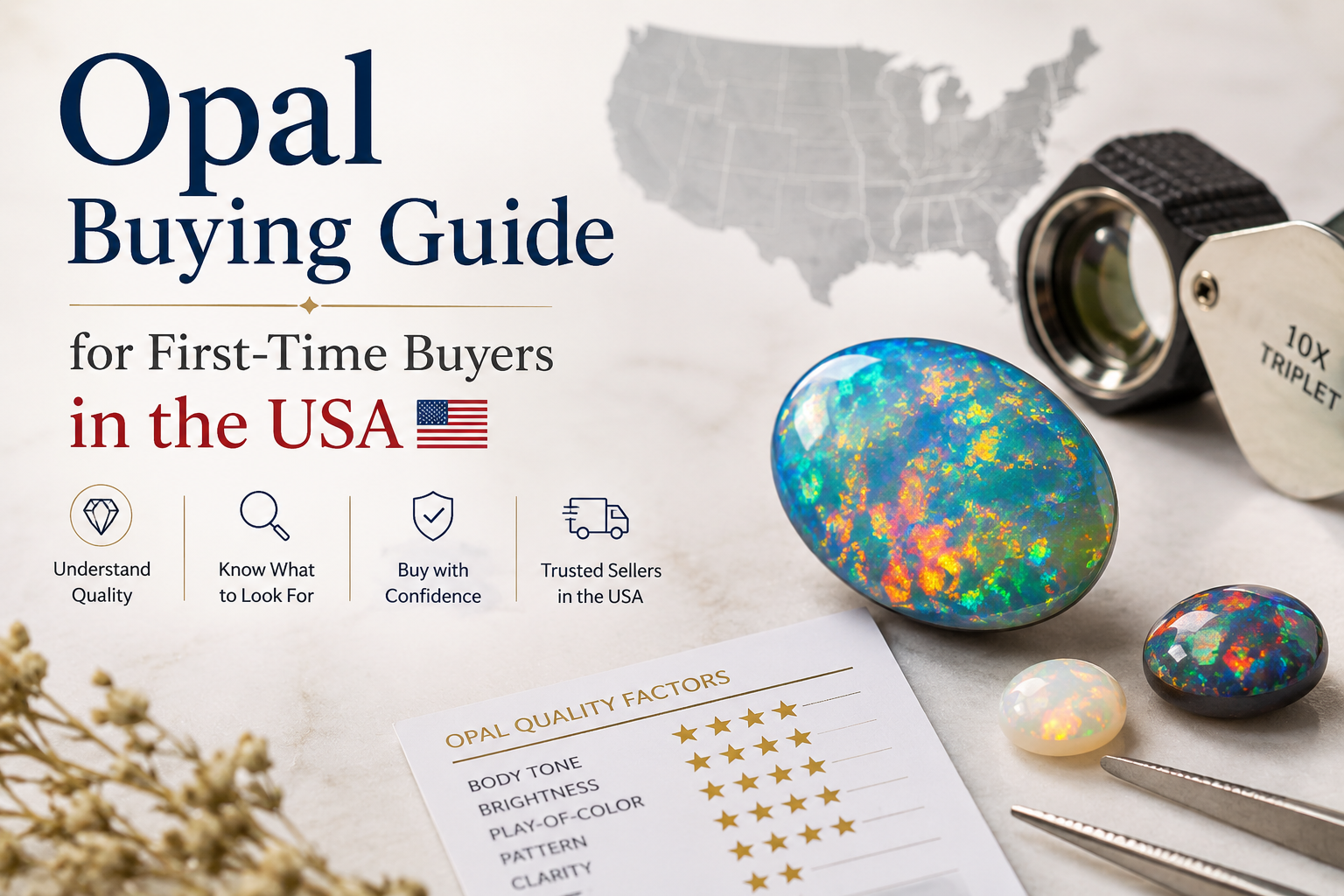
Opal is one of the most interesting gemstones in the world that behaves like a light show rather than a stone. Navigating this magical, dynamic gem in the market, especially when you are a first-time buyer in the USA, can be overwhelming. This stone is so unique and famous for its kaleidoscopic “play-of-color”, no two opals in this universe can be identical. That is why you need to understand a little extra about opals before buying.
That is where this quick opal buying guide will help you. Whether you are a collector, jewelry designer, or a first-time buyer, in this guide we will take you through understanding the various types of opals and how to check a quality opal, and some buying checklists so that you can shop with full confidence.
Types of Opal Every Buyer Should Know
Before evaluating prices or setting styles, every buyer needs to first understand the main types of opal available in the market. It is basically the very first step in your buying process:
-
White Opal: A gem with classic milky-white background and displays soft, gentle, colorful flashes. It is the most common, widely available, and ideal for everyday classic jewelry.
-
Black Opal: This is the rarest and most valuable type of opal, featuring a dark gray to black body tone that creates a striking contrast, making blue, green, and rare red colors pop intensely. This gem is ideal for premium collections and investment-quality jewelry.
-
Boulder Opal: This type formed inside the ironstone boulders and is cut with the host ironstone backing left intact. This gem offers high durability and vivid contrast at a budget-friendly price point. Ideal for statement rings and artisan jewelry.
-
Fire Opal: This gem exhibits a transparent-to-translucent body in bright yellow, orange, or red. It may or may not show shifting rainbow color flashes. This is ideal for modern jewelry and faceted designs.
-
Ethiopian Welo Opal: It is a hydrophane gemstone prized for its vibrant play-of-color and porous structure. It displays 3D play-of-color with bright neon flashes of red, orange, green, and blue against a clear, white, or honey base. This gem is ideal for low-impact rings and statement pendants.
Understand Natural vs. Lab-Created Opal: Know What You’re Buying
When browsing opal stone collections online, one of the biggest mistakes first-time buyers make is assuming that every colorful opal is natural, which is definitely not true. That is why you need to understand the difference between natural vs. lab-created opal to make sure you get exactly what you pay for.
-
Natural Opals: These are the stones that formed naturally over millions of years through proper geological processes. Key features include:
-
One-of-kind-appearance
-
Natural rarity and contain strong resale value
-
Better long-term value
-
Preferred by collectors and jewelry designers
-
Comes in irregular sizes and no two stones match
-
Lab-Created Opals: These are the opals that are grown in labs in a controlled environment just to replicate the appearance and optical properties of natural opal. Key features include:
-
Shows bright and uniform color patterns
-
Affordable and Highly Accessible
-
Shows chicken-wire or columnar patterns under magnification
-
Brighter and more vibrant
-
More durable than natural opals
-
Suitable for fashion jewelry
How to Judge Opal Quality for Jewelry:
Opals require extra and careful evaluation. Whether you are looking for the best opal for engagement ring or for some custom jewelry design, evaluating these quality factors is important:
-
Play-of-Color: This is the most important value factor. Look for:
-
Bright flashes
-
Multiple colors
-
Even distribution
-
Color should be visible from every angle
-
Brightness: The stronger the color appears under normal lighting, the more valuable the gemstone tends to be. Always avoid pale or dull stones or the ones that only show flashes under direct lighting.
-
Body Tone: Darker backgrounds generally increase color intensity. Crystal opals are highly valued for transparency, and white opals are cherished because they offer excellent affordability.
-
Pattern: This means the visual arrangement of the color. Rare patterns or broad arrangements like ‘harlequin’ and ‘flame’ cost more. Some popular patterns include broad flash, rolling flash, ribbon, and pinfire.
-
Clarity and Faults: Closely look for matrix inclusions, sand spots, cracks, or “crazing”. These defects reduce durability and value.
How to Safely Buy an Opal Online: First-Time Buyer Checklist
Shopping blindly on online platforms can lead to disappointment. So when you plan to buy opal gemstones online, confirm:
-
Is the stone described as natural, doublet, triplet, or lab-created?
-
Is the origin disclosed or not?
-
Are any treatments disclosed?
-
Do the listings show the stone from multiple angles?
-
Are the body tone and the play-of-color mentioned properly?
-
Does the price match the type of the stone?
-
Does the seller mention a return policy and provide a certificate of authenticity?
Final Thoughts
Opal selection for your custom designs is a personal and exciting journey. Choosing an opal comes down to your personal goals and finding a pattern, body tone, and play-of-color that speaks directly to your soul.
By following this guide, you now have the tools to evaluate stone types, quality factors, and online listings like a pro. With your new knowledge, you can now shop with full confidence whenever you browse for natural opals or explore high-quality gemstones for sale online.
Категории
Больше
Comme des Garçons Shirt pieces usually shrink after a first wash because of hot water, tumble drying, or fabric composition reacting to heat and agitation, not because the garment is faulty. Cotton poplin, in particular, is prone to relaxation shrinkage the very first time it gets wet. The fix involves cold water washing, air drying flat, and in some cases gently stretching the piece...

Custom mushroom boxes are essential for anyone growing or selling fresh fungi today. When you harvest a fresh batch of mushrooms, you quickly realize how delicate they really are. Standard packaging just does not cut it because these items need air to breathe and soft walls to prevent bruising. Taking care of your harvest means choosing the right containers from the very start. Proper packaging...
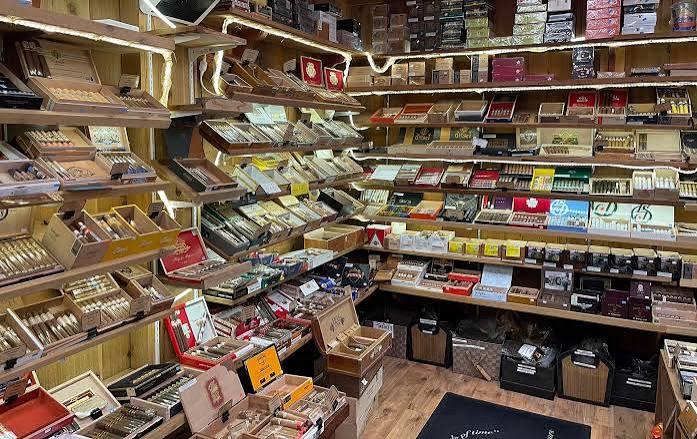
Finding a reliable retailer is important for adults who purchase legal tobacco products because product quality, knowledgeable service, and compliance with regulations all contribute to a better customer experience. Visiting a tobacco shop Schaumburg, IL allows adult customers to explore a variety of legally available products while receiving guidance about product categories, storage, and...
Augmented reality (AR) technology is rapidly transforming industries by blending digital information with the real world. From smart glasses and industrial maintenance to healthcare, education, logistics, and consumer electronics, AR devices require advanced optical systems that provide outstanding image quality while remaining compact and lightweight. A premium Bird bath optical module has...
In a world filled with endless information, constant distractions, and fast-changing lifestyles, finding reliable guidance for living a balanced and meaningful life can be challenging. The Wasatha Website was created to provide a trusted space where readers can explore ideas, knowledge, and practical advice inspired by the principles of balance, moderation, and purposeful living. Whether...