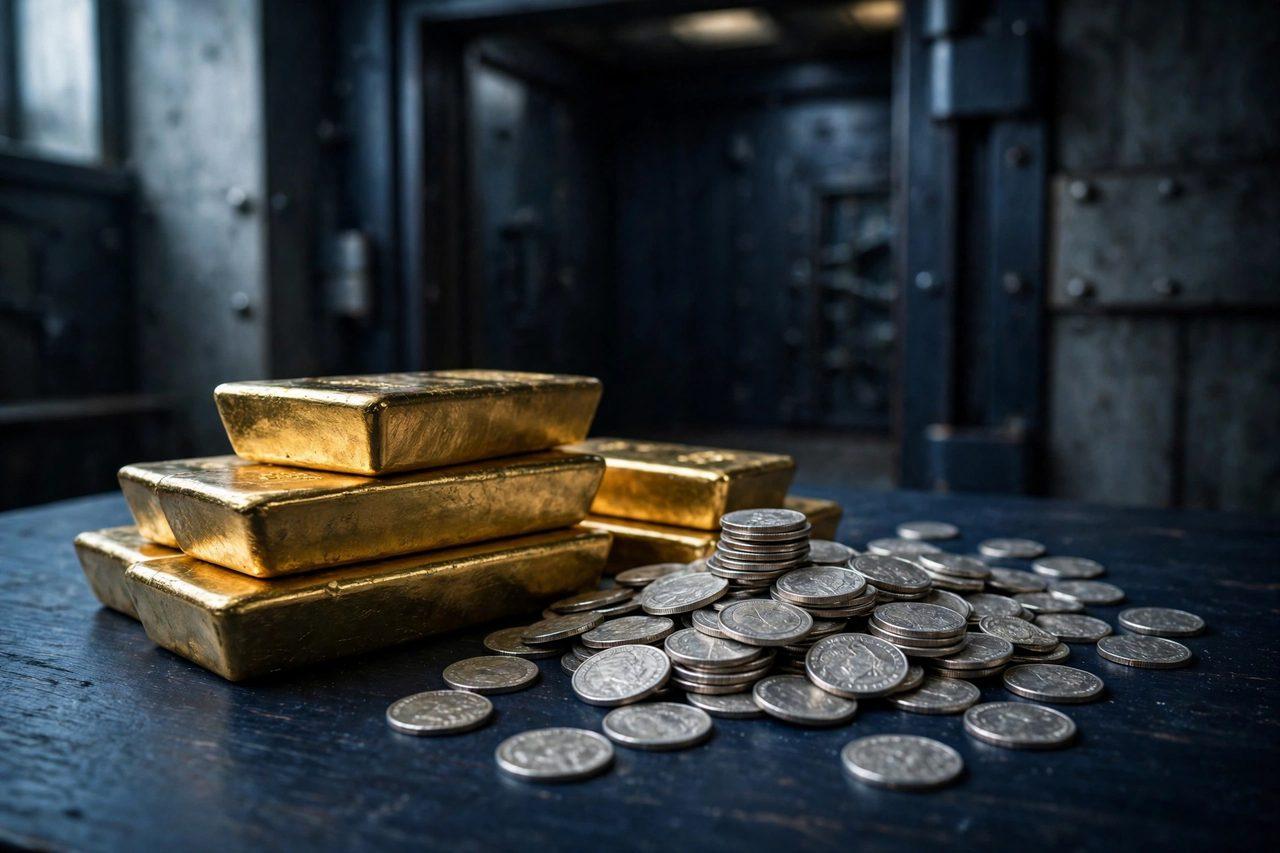
What Moves Gold Prices? A Beginner's Guide to the Forces Behind the World's Oldest Safe Haven

Gold has been money, jewellery and a store of value for thousands of years — yet its price moves every single day, sometimes sharply. If you have ever wondered why gold rises when headlines turn frightening, falls when interest rates climb, or keeps climbing even when stock markets look calm, this guide explains the main forces behind the gold price in plain language, so you can read gold news with confidence instead of confusion.
For daily context on how gold is trading alongside crypto, stocks and currencies, the Zimbuck News page follows the major markets together, because gold rarely moves in isolation.
1. Real Interest Rates: Gold's Biggest Rival
The single most important force for gold is usually the real yield — the return on safe government bonds after inflation. Gold pays no interest and no dividend. So when bonds offer an attractive inflation-beating return, holding gold carries a higher opportunity cost, and its price tends to soften. When real yields fall — because central banks cut rates, or because inflation rises faster than bond yields — gold becomes more attractive by comparison, and buyers step in.
A simple rule of thumb used by many analysts is this: falling real yields are generally supportive for gold, and rising real yields are generally a headwind. It is not a perfect rule, but it explains a large share of gold's medium-term moves.
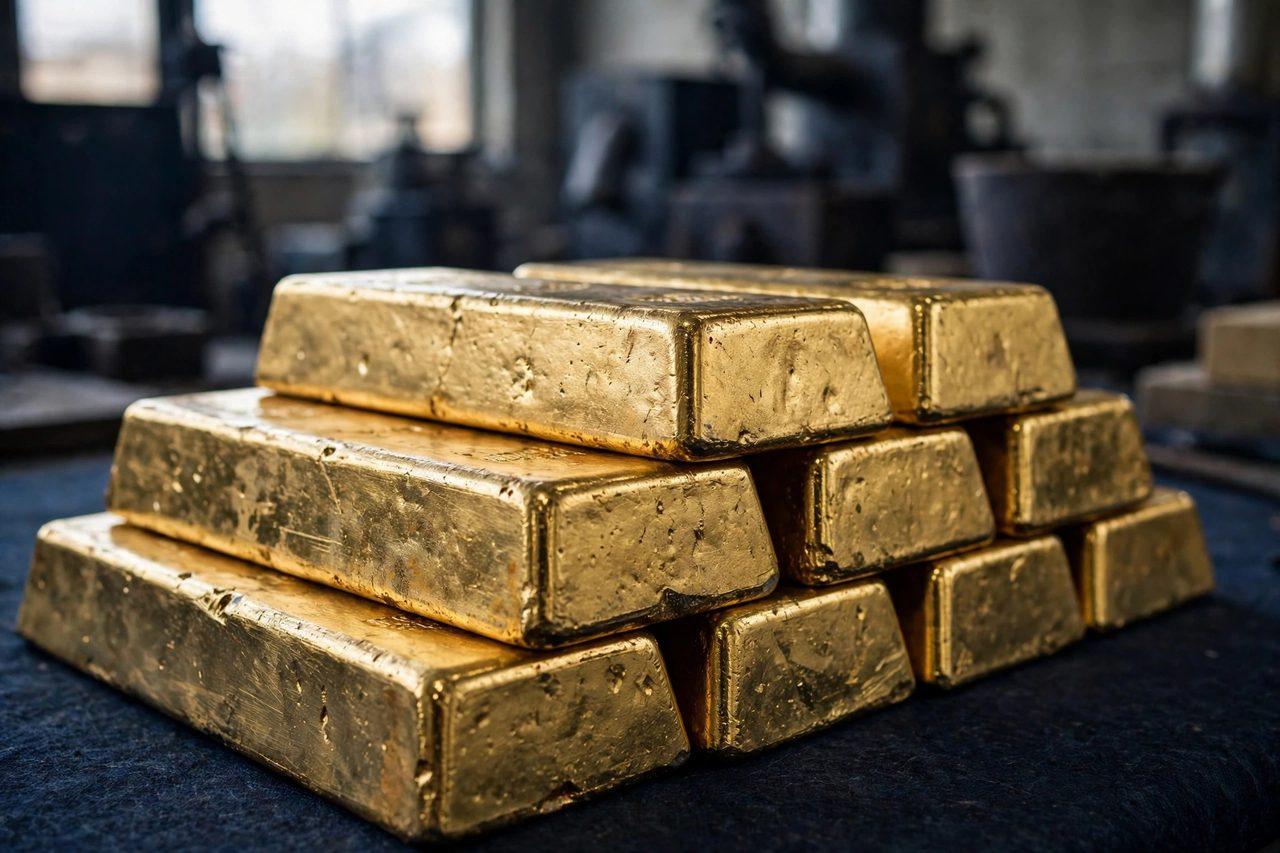
2. The U.S. Dollar
Gold is priced in U.S. dollars around the world. When the dollar strengthens, gold becomes more expensive for buyers using other currencies, which can dampen demand and pressure the price. When the dollar weakens, the opposite happens: the same ounce costs less in euros, rupees or yen, demand tends to improve, and the dollar price of gold often rises. This is why gold headlines so often mention the dollar index in the same sentence.
3. Central Bank Buying
Central banks hold gold as a reserve asset, and in recent years many of them — especially in emerging markets — have been consistent net buyers. Central bank demand matters because it is steady, price-insensitive and very large. A central bank diversifying reserves away from a single currency does not trade in and out like a hedge fund; it accumulates over years. That creates a firm floor of demand under the market that did not exist in the same way a generation ago. Discussions about what reserve buying means for long-term holders are a regular theme in the Zimbuck Market News group.
4. Fear, Geopolitics and Safe-Haven Demand
Gold's reputation as a safe haven is real, even if it is sometimes overstated. Wars, banking stress, debt crises and sudden stock market falls all push some investors toward an asset that is nobody else's liability — gold is not a company's promise or a government's IOU. These fear-driven spikes can be fast and dramatic, but they can also fade quickly when the crisis passes. Experienced gold watchers therefore separate the fear premium, which comes and goes, from the slower forces like real yields and central bank buying, which shape the trend.
5. Jewellery and Industrial Demand
Unlike a purely financial asset, gold is also a physical material. Jewellery demand — especially around festivals and wedding seasons in large consuming countries such as India and China — is a major part of total demand, and it is sensitive to price: buyers often delay purchases when prices spike and return when they dip, which can soften falls. Technology and dentistry use smaller amounts of gold for its conductivity and resistance to corrosion. This physical demand does not drive daily headlines, but it absorbs a large share of annual supply.

6. Mining Supply: Slow to Change
Supply is the quiet side of the market. Gold mines take years to discover, permit and build, so supply cannot rise quickly when prices jump. Most annual supply comes from mining, with the rest from recycling old jewellery and scrap. Because supply grows slowly, sustained price moves are usually driven by changes in demand rather than sudden changes in production. Our related guide, What Are Commodities? A Beginner's Guide to Gold, Oil and Silver, explores how commodity supply constraints compare across metals and energy markets.
Gold Right Now: Brief Current Context
As a snapshot of where the market stood this week, gold futures settled at $4,074.90 on November 6, 2026, with silver at $52.18, according to the market summary at Profile News. Those are reference points, not predictions — use them to anchor the forces above: ask which of the six drivers is doing the work before drawing any conclusion from a single day's price.
Key Forces at a Glance
- Real yields down — usually supportive for gold
- Dollar down — usually supportive for gold in dollar terms
- Central bank buying — steady, long-term demand floor
- Crisis and fear — fast safe-haven spikes that can fade
- Jewellery demand — large, seasonal and price-sensitive
- Mining supply — slow-growing, rarely the driver of sharp moves
Frequently Asked Questions
Why does gold rise when interest rates fall?
Because gold pays no interest. When rates and real bond yields fall, the opportunity cost of holding gold falls with them, making gold more attractive relative to bonds and cash.
Why does a strong dollar hurt gold?
Gold is priced in dollars globally. A stronger dollar makes gold more expensive in other currencies, which can reduce demand from non-dollar buyers and pressure the dollar price.
Do central banks really affect the gold price?
Yes. Central banks buy in very large size and tend to hold for the long term. Sustained net buying adds a steady layer of demand that supports the market over years.
Is gold always a safe haven?
No. Gold often rises during crises, but it can fall in the first phase of a panic if investors sell everything to raise cash, and its fear premium can disappear quickly when calm returns.
What moves gold more: supply or demand?
Demand, in almost all short- and medium-term moves. Mine supply changes slowly, so shifts in investment demand, central bank buying and currency moves drive most price action.
How is silver different from gold?
Silver is both a precious and an industrial metal, so it responds to manufacturing demand as well as safe-haven flows. That usually makes silver more volatile than gold in both directions.
This article is general educational information only, not financial advice. Keep learning and follow daily market coverage at zimbuck.com.