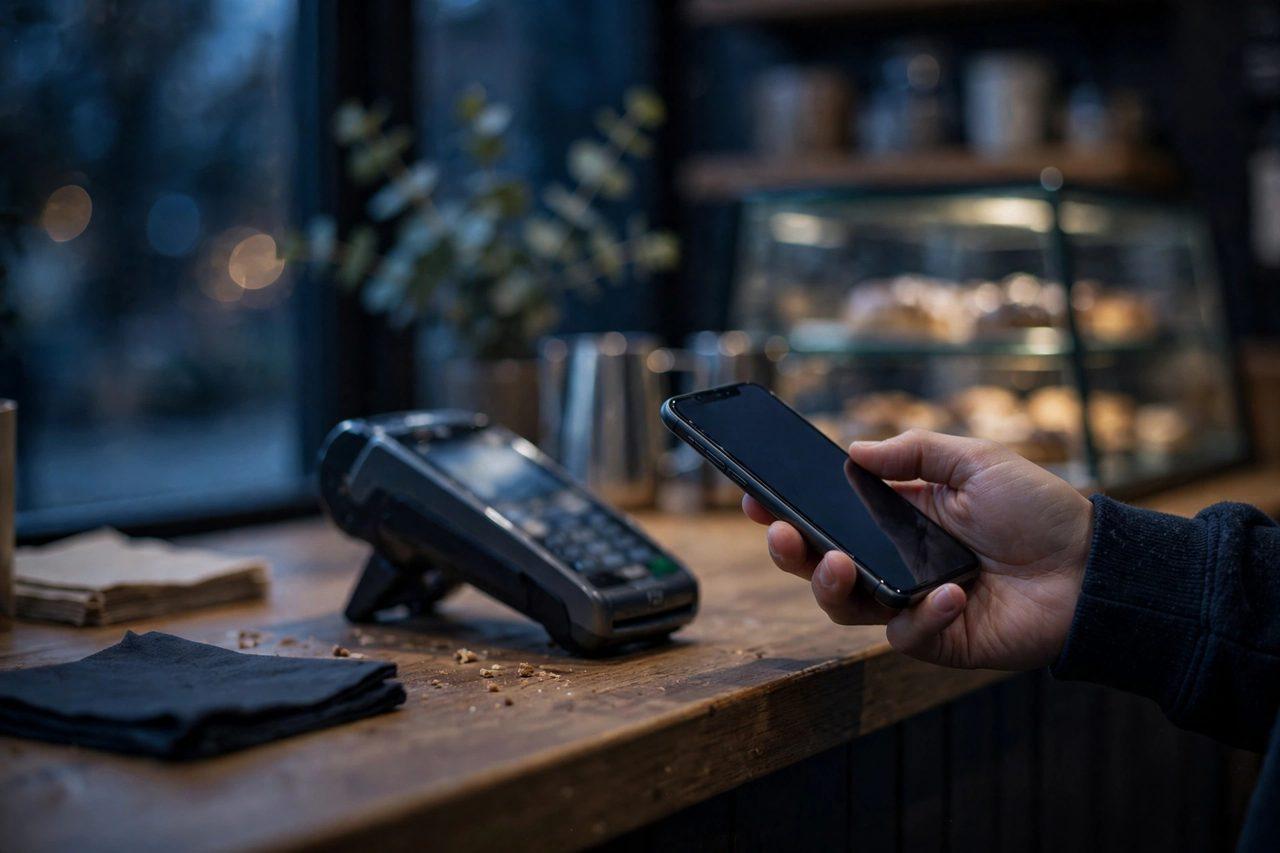
Square Completes Bitcoin Payments Rollout: 4 Million Merchants Can Now Accept BTC by Default

Square's Bitcoin payments rollout reached full availability on November 10, completing a phased switch-on that began on March 30 and puts Bitcoin acceptance in front of a network of more than 4 million US merchants. Eligible sellers were auto-enabled with no application, customers pay over the Lightning Network, and merchants receive US dollars by default — the largest default-on Bitcoin checkout rollout attempted by a mainstream payments company.
The timing matters for Bitcoin adoption. Crypto is trading defensively — Bitcoin changed hands near $74,000–$75,000 this week as ETF outflows and a hot US inflation print weighed on sentiment — yet the payments infrastructure underneath keeps expanding into everyday commerce, which is exactly the backdrop the Zimbuck News page tracks day to day.
How the Rollout Works
According to TradingView's report on the completion target, corroborated by multiple outlets summarising Square's own terms, the mechanics are deliberately simple for small businesses:
- Auto-enabled — eligible US sellers had Bitcoin payments switched on automatically from March 30; no application or new hardware
- Lightning payments — customers pay by scanning a QR code with a compatible Bitcoin wallet, settling in seconds
- Dollars by default — Square converts each payment to US dollars and settles it the same day, so merchants never have to hold Bitcoin
- Optional Bitcoin — sellers can instead keep payments in BTC, and can auto-convert up to 50% of daily sales into Bitcoin
- Zero fees for now — Bitcoin processing fees are waived through December 31, 2026, then a flat 1% fee applies from January 1, 2027
- New York excluded — merchants based in New York State are not eligible, and each business still needs Square's normal verification
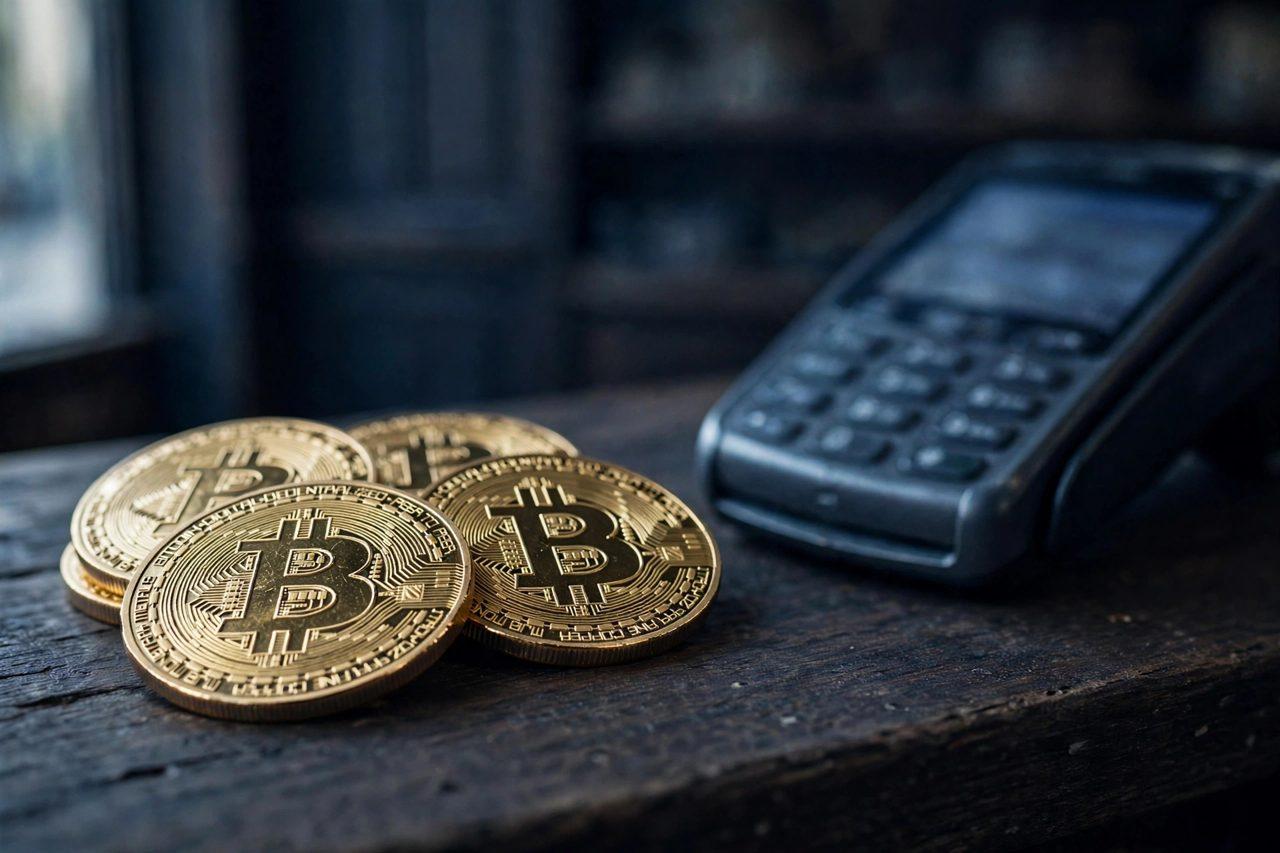
Why Default-On Changes the Math
Bitcoin payments have existed at US checkouts for years, but almost always as an opt-in feature that a merchant had to discover, configure and test. Most never did. Flipping the default reverses that friction: acceptance becomes the starting state, and switching it off becomes the active decision. Square's network covers more than 4 million sellers, although that figure is the size of the network — not a count of merchants who have completed verification or actually processed a Bitcoin payment, a distinction Square itself has not filled in with usage numbers.
The fee structure is the second lever. Card acceptance typically costs small merchants well above 1% per transaction; a waived fee through the end of 2026, followed by a flat 1%, undercuts that materially — if customers actually choose to pay in Bitcoin. That remains the open question, and it is why analysts separate "equipped to accept" from "accepting in volume", the same caution applied when reading corporate Bitcoin treasury stories like Strategy's latest Bitcoin purchase.
What It Means for Bitcoin
Payments utility is Bitcoin's oldest use case and its slowest to arrive. A default-on rollout across millions of tills does not guarantee transaction volume, but it removes the distribution bottleneck: any of those merchants can now be paid in BTC over Lightning without changing a single setting. For Bitcoin holders, the practical effect is a far larger map of places where spending is technically possible; for merchants, it is a free option with dollar settlement that carries no Bitcoin price risk unless they choose the keep-in-BTC setting.

What to Watch Next
Three signals will show whether this is reach or real usage. First, any disclosure from Block on how many merchants stayed enabled after the default switch-on, and how many Bitcoin payments have actually been processed. Second, whether rival point-of-sale providers copy the default-on model. Third, the fee change on January 1, 2027, when the waiver expires — a natural test of how much of the appeal was price. Traders are debating all three in the Zimbuck Market News group, alongside this week's price action covered in our report on Bitcoin slipping below $74,000 after the hot CPI print.
Frequently Asked Questions
When did Square's Bitcoin rollout complete?
The phased rollout that began on March 30, 2026 reached full availability on November 10, 2026, across Square's network of more than 4 million merchants.
Do merchants receive Bitcoin or dollars?
Dollars by default, settled the same day. Merchants can choose to keep payments in Bitcoin, and can auto-convert up to 50% of daily sales into BTC.
What does it cost merchants?
Nothing through December 31, 2026 — processing fees are waived. A flat 1% fee per Bitcoin transaction applies from January 1, 2027.
Who is not eligible?
Merchants based in New York State are excluded, and sellers must meet Square's normal eligibility and verification requirements.
How do customers pay?
By scanning a QR code with a compatible Bitcoin wallet over the Lightning Network, which settles in seconds.
Bitcoin just became a default option at millions of American checkouts — whether shoppers use it is the next story. Join Zimbuck to follow it with the community. This article is market news and general information only, not financial advice.