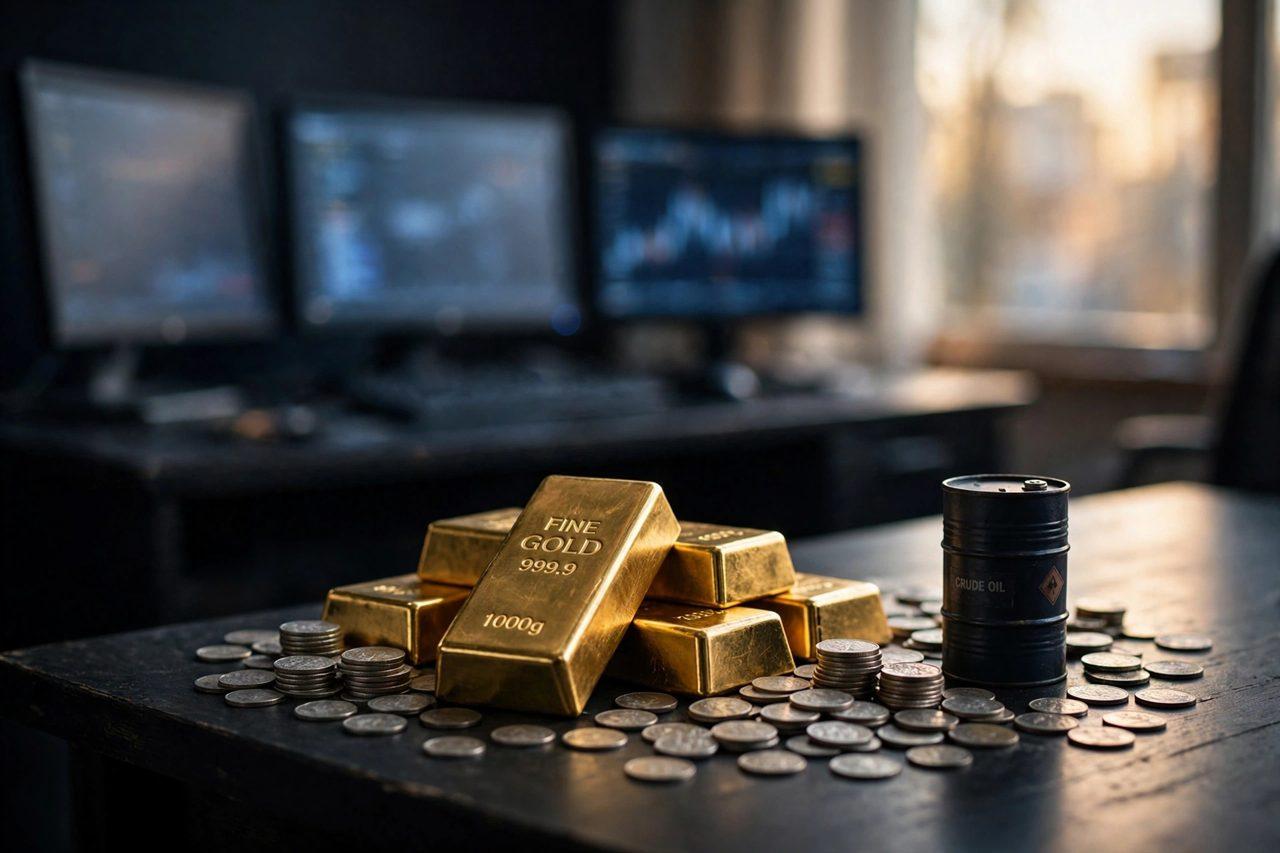
What Are Commodity Futures? How Oil, Gold and Silver Contracts Work — Explained

A commodity futures contract is a deal made today to buy or sell a physical commodity — such as oil, gold or silver — at a set price on a set date in the future. It sounds simple, and the basic idea is. But futures are also one of the most powerful, and most misunderstood, tools in finance. They are used by airlines to lock in fuel costs, by farmers to protect the price of a harvest, and by traders who want exposure to a commodity without ever taking delivery of a barrel of oil or a bar of gold.
This guide explains, in plain language, what commodity futures are, how oil, gold and silver contracts work, and where the real risks sit — especially margin and leverage.
What is a futures contract?
A futures contract is a standardised agreement traded on an exchange. It specifies the commodity, the quantity, the quality grade, the delivery month and the delivery location. Two parties take opposite sides: the buyer agrees to buy, and the seller agrees to sell, at the price agreed when the contract is made.
Because contracts are standardised and traded on an exchange, a trader does not need to find a specific counterparty. They can open a position in seconds and close it just as fast by taking the opposite position. Most futures traders never take delivery at all — they close their position before the contract expires.
How oil futures work
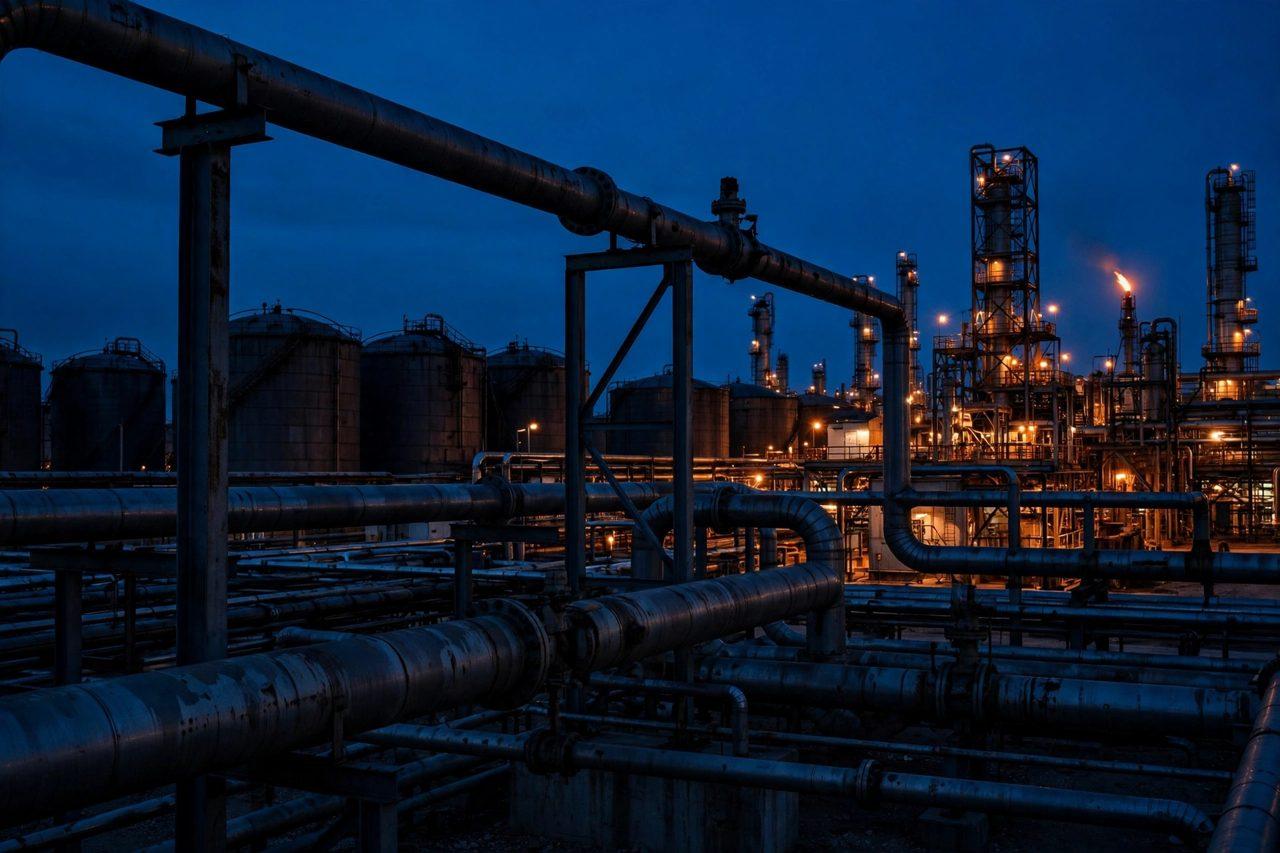
Oil futures are the most actively traded commodity futures in the world. The two benchmarks most people hear about are Brent crude, priced in London, and West Texas Intermediate (WTI), priced in the United States. Each contract represents a set number of barrels — for example, 1,000 barrels for the standard WTI contract — and prices are quoted per barrel.
When an airline buys oil futures, it is not buying oil to store in a tank tomorrow. It is locking in a price so that a rise in crude does not blow up its fuel budget. If oil rises, the futures position gains and offsets the higher cost of buying fuel in the physical market. If oil falls, the futures position loses — but the airline then buys cheaper fuel. The point is certainty, not profit.
How gold and silver futures work
Gold and silver futures work the same way, with contracts for a set weight of metal — commonly 100 troy ounces for gold and 5,000 troy ounces for silver on major US exchanges. Jewellers, miners and central banks use them to hedge, while investors use them to express a view on metal prices, inflation or the dollar.
Gold is often described as a safe haven, but its futures price still moves every day with interest rates, the US dollar and risk appetite. Silver is more volatile than gold, partly because it has large industrial uses in electronics and solar panels, so its price responds to both investment demand and manufacturing demand.
Margin and leverage: the part that catches beginners out
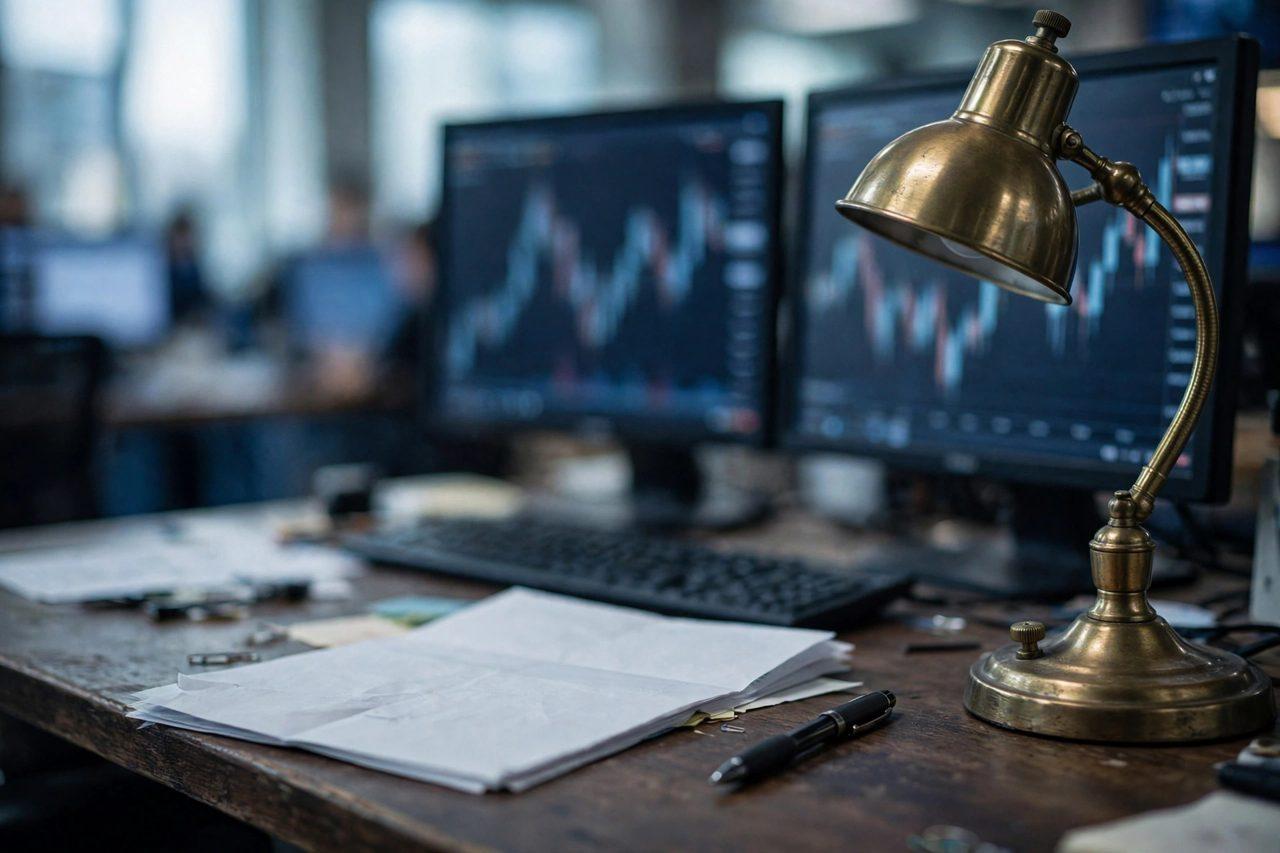
Futures are traded on margin. A trader puts down a deposit — the initial margin — that is only a fraction of the contract's full value, and the exchange settles gains and losses daily in a process called mark-to-market. That leverage is what makes futures efficient, and it is also what makes them dangerous.
A small move in the underlying commodity can mean a large percentage move in the margin posted. If the market moves against a trader, the broker can demand more money — a margin call — and can close the position if the money is not there. Beginners should understand this before trading: leverage magnifies losses exactly as it magnifies gains, and a futures position can lose more than the initial deposit if it is not managed.
Contango, backwardation and rolling
Futures prices differ by expiry month, and the shape of that curve matters. When later-dated contracts cost more than near-dated ones, the market is in contango; when they cost less, it is in backwardation. Traders who hold a position for months must "roll" it — selling the expiring contract and buying a later one — and that roll can cost money in contango or add money in backwardation. Long-term holders of commodity futures through funds feel this effect directly.
For more learning guides, see Zimbuck Blogs.
FAQ
Do I have to take delivery of oil or gold? Almost never. Most traders close their futures position before expiry. Delivery is mainly for commercial users with the facilities to receive the commodity.
What is the difference between a futures contract and a spot purchase? A spot purchase is for immediate delivery at today's price. A futures contract fixes a price today for delivery on a future date, and it is traded on margin on an exchange.
Why do commodity futures use margin? Margin is a good-faith deposit that lets the exchange guarantee performance. It keeps capital requirements low, but it creates leverage, so losses can be large and fast.
What are Brent and WTI? They are the two main oil price benchmarks. Brent is the global benchmark priced around the North Sea; WTI is the US benchmark priced in Oklahoma. Their prices usually move together but can diverge.
Are commodity futures suitable for beginners? They can be a useful learning topic, but leveraged futures trading is high risk and is not suitable for everyone. Many beginners start by learning, paper trading and understanding margin before risking real money.
This article is educational only and is not investment advice. Futures trading involves substantial risk of loss.