


STOXX 600 Nears Record High as Siemens Energy Jumps 6.5% and Tech Shares Lead Europe

Europe's STOXX 600 gained 0.7% to 662.83 points on Wednesday morning, trading just below the record levels reached in August, as a 6.5% jump in Siemens Energy and a broad technology rally outweighed the inflation worries spilling over from Wall Street. The move puts the pan-European benchmark within touching distance of a fresh all-time high — a notable show of resilience on a morning when US futures were still digesting a hot inflation print.
The leadership told the story. AI equipment maker Siemens Energy rose on expectations of higher profit margins in 2027, its peers Schneider Electric and Legrand each gained about 2.6%, and the broader European technology sector added 1.7%. Sentiment was also helped by strong US AI infrastructure earnings overnight, which eased concerns about the AI trade that had knocked global markets earlier in the month. Track the session as it develops on the Zimbuck News page.
The numbers behind the move
- STOXX 600: +0.7% to 662.83 by 0807 GMT, just below its August record.
- Siemens Energy: +6.5% on expectations of higher 2027 profit margins.
- Schneider Electric and Legrand: about +2.6% each, riding the same AI equipment demand.
- European tech sector: +1.7% on the morning.
- Vestas: -6%, the index's notable laggard after its third-quarter operating profit report.
Why Europe is holding up while Wall Street wobbles
European indices have a very different mix from the US benchmarks. Banks, industrials, energy and healthcare carry far more weight than mega-cap technology, so a US tech sell-off driven by one or two names does not translate mechanically into European losses. When the AI story is about equipment, power and grid spending — Siemens Energy's world — Europe's industrial giants are direct beneficiaries rather than bystanders. That rotation was visible earlier this month when the Dow jumped more than 1,100 points in a broad, non-tech-led rally, and it is the same pattern, in European form, behind Wednesday's near-record print.
The Zimbuck Market News group discussion has centred on whether a record close would change positioning: index breakouts tend to pull in systematic buying, but they also raise the cost of being wrong if the inflation story worsens. For context on how traders read fear during breakouts, our explainer on what the VIX measures and how it works is a useful companion read.
The laggards and the limits
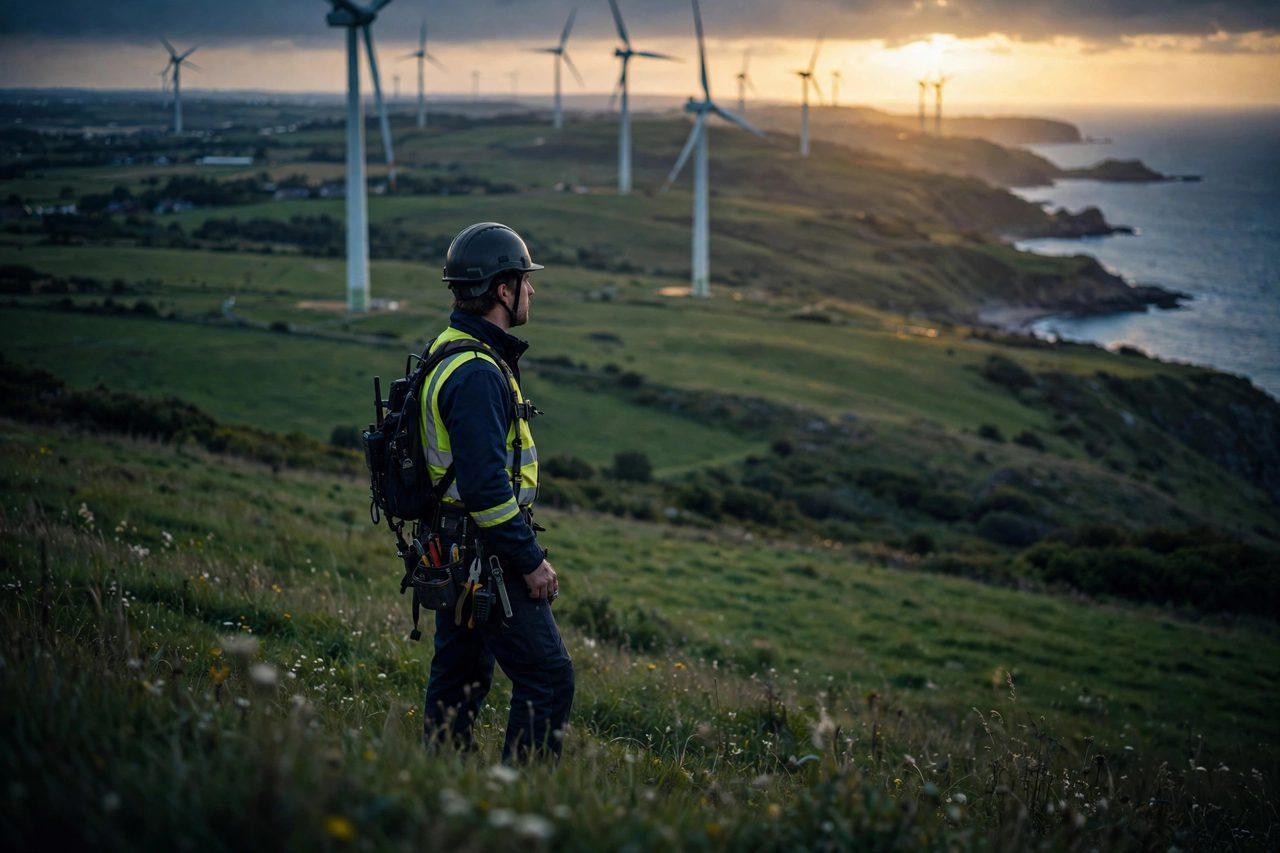
Not everything rose. Wind turbine maker Vestas fell about 6% after reporting its third-quarter operating profit, a reminder that the renewables supply chain is still working through margin pressure even as grid-equipment names thrive. Inflation also capped the morning's gains: with US consumer prices rising faster than expected in October and rate-hike talk back on the table in Washington, European traders had a reason to keep some powder dry rather than chase the record at any price.

What to watch next
The close is what counts: a STOXX 600 finish above its August record would be the index's first record close in three months and a clean technical signal for European equities into year-end. Watch whether technology and industrials can hold their morning gains through the US session, and whether Vestas-style earnings disappointments stay isolated. The morning's trading was reported by Reuters' coverage of the STOXX 600 near its record high.
FAQ
How high did the STOXX 600 trade? It gained 0.7% to 662.83 points by 0807 GMT on Wednesday, just below the record levels reached in August.
Which stock led the index? Siemens Energy, up 6.5% on expectations of higher profit margins in 2027, with Schneider Electric and Legrand each up about 2.6%.
Which stock dragged? Vestas fell about 6% after its third-quarter operating profit report.
Why did inflation still matter? A hotter-than-expected US inflation print kept rate-hike concerns alive and limited how far traders were willing to chase the rally.
This article is market news and general information only, not financial advice. Join the conversation on Zimbuck — the finance social platform for traders and investors.






