

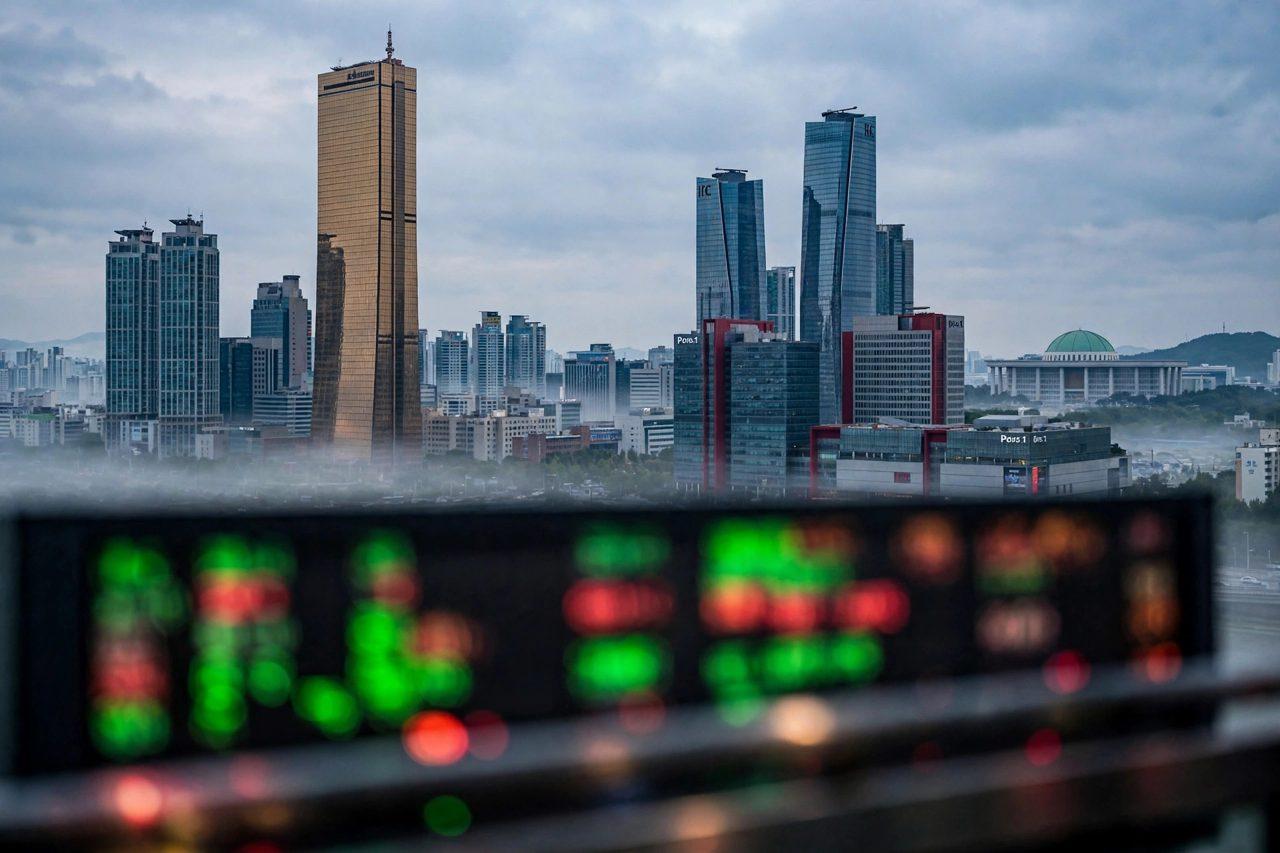
KOSDAQ Surges 5.62% and KOSPI Jumps 2.60% as Asia's Chip Stocks Rebound on CoreWeave Relief

South Korea's KOSDAQ surged 5.62% to 705.10 and the KOSPI jumped 2.60% to 5,375.36 on Wednesday, November 11, as Asian chip stocks rebounded for a second straight session. Japan's Nikkei 225 rose 1.31% to 61,248.59 for a third consecutive gain, after CoreWeave's strong US results calmed fears that AI infrastructure spending was running out of steam — even as hot US inflation hardened expectations of another Federal Reserve rate hike.
Index coverage like this runs daily on the Zimbuck News page and in the Zimbuck Market News group. Closing figures below are from the Korea Exchange as reported by the Seoul Economic Daily and other regional outlets.
 The scoreboard
- KOSPI: 5,375.36, up 136.23 points (+2.60%)
- KOSDAQ: 705.10, up 37.49 points (+5.62%), reclaiming the 700 level
- Nikkei 225: 61,248.59, up 789.01 points (+1.31%), third straight gain
- Taiwan Taiex: +3.62% to 44,257.15
- Samsung Electronics: 206,000 won, up 3.57%
- SK hynix: 1,277,000 won, up 5.36%
Why Seoul led the region
The KOSDAQ's jump was big enough to trigger a buy-side sidecar — a brief suspension of program buy orders — for a second consecutive session. Foreign investors were net buyers of 655.3 billion won (about $491 million) of KOSPI shares. The two chip heavyweights did the lifting: SK hynix gained 5.36% and Samsung Electronics 3.57%, with SK Square up 4.74% and Samsung Electro-Mechanics up 4.65%. The rebound follows a punishing stretch in which the KOSPI fell sharply in early November as investors fled AI-linked shares; Tuesday's session had already produced a 4.4% KOSPI rebound before Wednesday extended it.
CoreWeave was the spark, the Fed was the ceiling
The trigger was American: CoreWeave, the AI cloud operator that rents out Nvidia-powered data centres, reported third-quarter revenue up 168% and raised its outlook after the New York close on Tuesday — the numbers in our CoreWeave Q3 earnings report. Asian investors read that as proof the AI build-out is still funded. Working against the rally, US October inflation came in hotter than expected, lifting bets on a December Fed hike — the same data that pushed the S&P 500 lower on Tuesday, as covered in our Dow and indices report ahead of the CPI release. Asia's tech rebound and Wall Street's rate worry are now pulling in opposite directions, and Nvidia's results next week are widely seen as the tiebreaker.
Taiwan told the same story from the supply side: TSMC, the world's largest contract chipmaker, reported record October revenue of NT$586.89 billion, up 59.7% from a year earlier, and the Taiex climbed 3.62%. When the region's foundries, memory makers and exchanges all rise together on the same US earnings spark, it usually means investors are re-pricing the whole AI supply chain at once — not just one stock.
 What to watch next
Three things decide whether this is a recovery or a bounce: whether foreign buying of Korean shares continues for a third session, whether the KOSDAQ can hold above 700 after two sidecar days, and whether Nvidia's earnings next week confirm the AI spending story that CoreWeave's numbers told. Japan adds its own signal — the Reuters Tankan survey put manufacturer sentiment at its strongest in more than five years, helped by chip demand.
FAQ
How much did the KOSPI and KOSDAQ rise on November 11? The KOSPI closed up 2.60% at 5,375.36 and the tech-heavy KOSDAQ surged 5.62% to 705.10, triggering a buy-side sidecar for a second straight session.
What drove the Asian rally? CoreWeave's stronger-than-expected US results and raised outlook eased fears about AI spending, lifting chip stocks across Seoul, Tokyo and Taipei.
What is a buy-side sidecar? A brief suspension of program buy orders that an exchange triggers when an index moves sharply upward in a short period, designed to slow disorderly trading.
This article is market news and general information only, not financial advice. Join the conversation on Zimbuck to discuss whether Asia's AI rebound has legs.






