

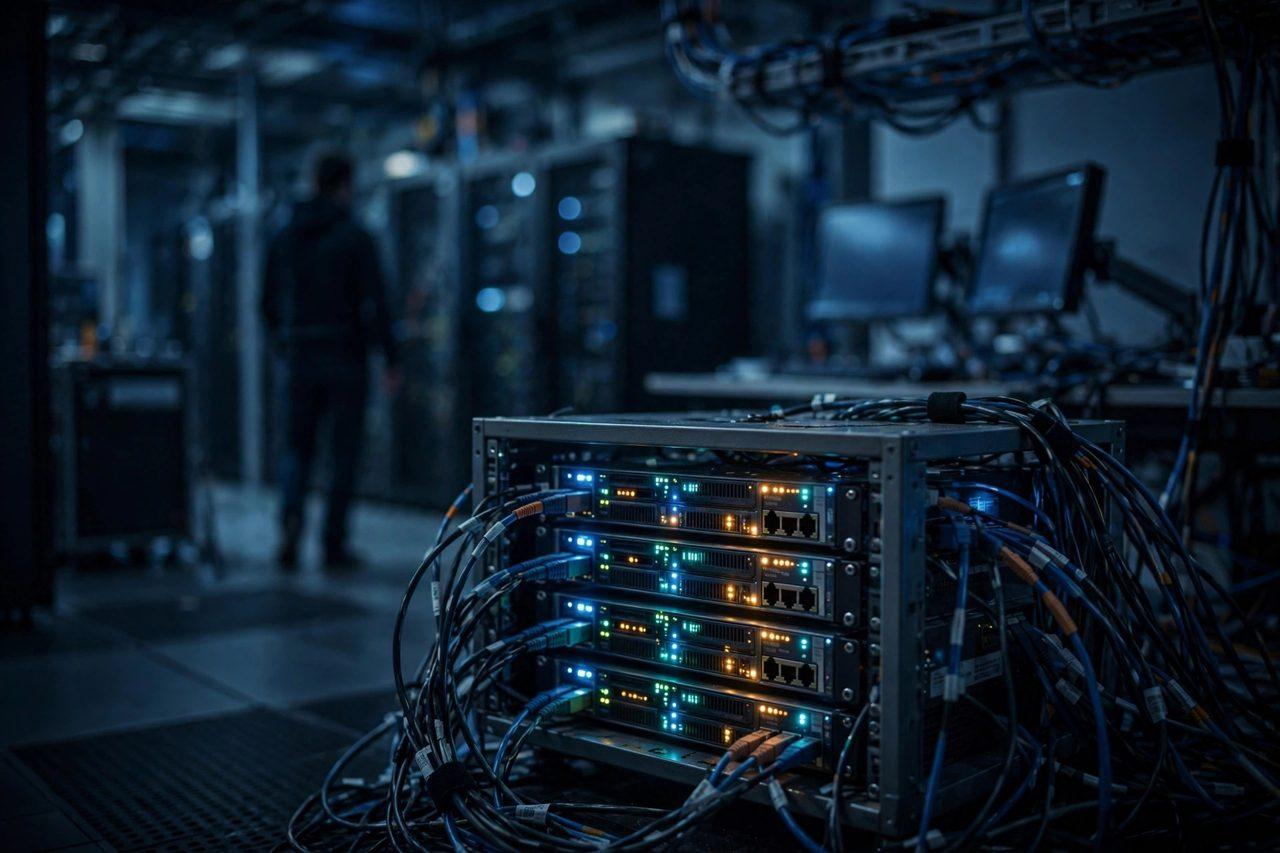
What Is a Blockchain Node? Full Nodes, Light Nodes and Validators Explained

What a blockchain node actually is
A blockchain node is a computer that runs a network's software, keeps a copy of the ledger and checks every transaction and block against the rules. When people say a blockchain is "decentralised", nodes are the reason: thousands of independent machines hold the same record, so no single company, exchange or government can quietly rewrite it. If you have ever wondered who actually keeps Bitcoin or Ethereum running — it is not a head office. It is the nodes.
Every node does three basic jobs. It stores the blockchain's history, it validates new transactions and blocks against the consensus rules, and it relays valid information to other nodes. A transaction that breaks the rules — spending coins you do not have, for example — is simply rejected and not passed on. That quiet checking, repeated by thousands of machines, is what makes the ledger trustworthy without a central referee. Readers following the discussion on the Zimbuck News page will recognise the pattern: trust comes from verification, not from promises.
Full nodes: the referees with the whole rulebook
A full node downloads and verifies the entire blockchain from the very first block. It checks every signature, every balance and every rule for itself, trusting nobody. When a full node accepts a block, it does so because it has independently confirmed the block is valid — not because a miner, validator or website said so.
- What it stores: the complete transaction history, hundreds of gigabytes on a large chain such as Bitcoin
- What it needs: an ordinary computer, a solid internet connection and enough storage — no special mining hardware
- Why people run one: to verify their own money, to support the network's decentralisation, and to use the chain without trusting a third party's server
Two flavours matter. An archival full node keeps every historical state, which explorers and services need. A pruned node verifies everything but then discards old data to save disk space — it is just as trustworthy for validating new blocks, because it checked the history on the way through.
Light nodes: the shortcut most phones take
A light node (also called an SPV or light client) does not store the full chain. Instead it downloads only block headers and asks full nodes for the specific pieces it needs — usually proof that its own transaction is included in a block. That makes light nodes fast and cheap enough for mobile wallets, but it comes with a trade-off: a light client partly trusts the full nodes it connects to, rather than verifying everything itself.
For small everyday balances that trade-off is usually reasonable. For serious money, the security ladder is clear: a wallet connected to your own full node sits at the top, because no outside server can lie to you about your balance or hide a payment. The community in the Zimbuck Market News group debates this balance between convenience and self-verification regularly — it is one of the oldest arguments in crypto, and nodes are at the centre of it.

Validator and mining nodes: the block producers
Some nodes do an extra job: they propose new blocks. On proof-of-work chains such as Bitcoin, these are mining nodes — they bundle transactions, race to solve the network's puzzle, and earn the block reward when they win. On proof-of-stake chains such as Ethereum, they are validator nodes — operators lock up (stake) the chain's coin, propose and vote on blocks, and can lose part of that stake, a penalty called slashing, if they cheat or stay offline.
The important distinction is that block producers do not rule the network. If a miner or validator produced a block that broke the rules, every full node would reject it and the block would be worthless. Producers propose; nodes dispose. That separation is the real source of a blockchain's censorship resistance.
To see how nodes can verify information without seeing the underlying data, read our guide What Are Zero-Knowledge Proofs? How ZK Technology Powers Private Transactions.
Why node counts matter — and why they can mislead
A higher number of independent full nodes generally means a healthier, harder-to-capture network: more copies of the ledger, more independent rule-checkers, more countries and providers involved. But raw counts can mislead. Ten thousand nodes run by one company on one cloud provider are worth less, decentralisation-wise, than a smaller number run by different people in different places on different hardware. What matters is independence, not just quantity.
Should you run a node?
You do not need to run a node to use crypto — wallets and exchanges handle it for you. Run one if you want to verify your own transactions, improve your privacy, or support a network you hold value in. Start with the chain you actually use, expect an initial sync that can take hours to days on a big chain, and keep the software updated. It is the closest thing crypto has to reading the original documents instead of trusting a summary.
Frequently asked questions
What is a blockchain node in simple terms? A computer running the network's software that stores the ledger, checks transactions against the rules and shares valid data with other nodes.
What is the difference between a full node and a light node? A full node verifies the entire chain itself and trusts nobody; a light node stores only headers and relies partly on full nodes, trading some security for speed and low storage.
Do nodes earn money? Ordinary full nodes earn nothing — people run them for verification, privacy and network health. Only block producers (miners on proof-of-work chains, validators on proof-of-stake chains) earn rewards, and they take on hardware or staking costs and risks to do so.
Can one node change the blockchain? No. A node that breaks the rules is ignored by the rest of the network. Changing history would require convincing the overwhelming majority of independent nodes to accept new rules.
How many nodes does Bitcoin have? Estimates vary because not all nodes are publicly reachable, but the reachable count is typically in the tens of thousands worldwide — and the true total, including nodes behind firewalls, is higher.
This guide is general educational information only, not financial advice. Join the conversation on Zimbuck — the finance social platform for traders and investors.






