


FBI FaceStealer Warning: North Korean Hackers Stole $400 Million in Crypto With Fake Video Calls

The FBI has warned that North Korean state-backed hackers have stolen more than $400 million in cryptocurrency over the past 18 months using fake video calls — a scheme the bureau calls FaceStealer — and on November 12 the Justice Department seized cloud infrastructure used to run it. The warning, published by the FBI's Cyber Branch, describes a social-engineering operation built on imposter video-conference platforms, hijacked social media accounts and secretly recorded webcam footage. Investigators linked the campaign to the North Korean groups known as Sapphire Sleet and UNC1069, and the FBI says it identified and seized more than 900 webcam videos of victims worldwide that the hackers had recorded without their knowledge.
How FaceStealer works, step by step
The scheme does not start with code — it starts with a meeting invitation. According to the FBI, the hackers use compromised or fake social media and communication accounts to invite a target into a video call hosted on an imposter version of a familiar conferencing platform. During the call, the victim is secretly recorded, and at some point is steered toward a malicious "troubleshooting" prompt — the moment where malware or a harmful command enters the machine. The bureau says anyone who owns cryptocurrency, works in the crypto or Web3 industry, or maintains open-source software repositories is a potential target. Security news like this is tracked as it breaks on the Zimbuck News page.
- Total stolen: more than $400 million in cryptocurrency over 18 months
- Seized: cloud infrastructure disrupted November 12; more than 900 secretly recorded victim webcam videos identified
- Linked groups: Sapphire Sleet and UNC1069 (North Korea state-backed)
- Targets: crypto and Web3 professionals, and open-source software maintainers
- Entry point: imposter video-call platforms reached through hijacked or fake accounts
Why open-source maintainers are in the crosshairs
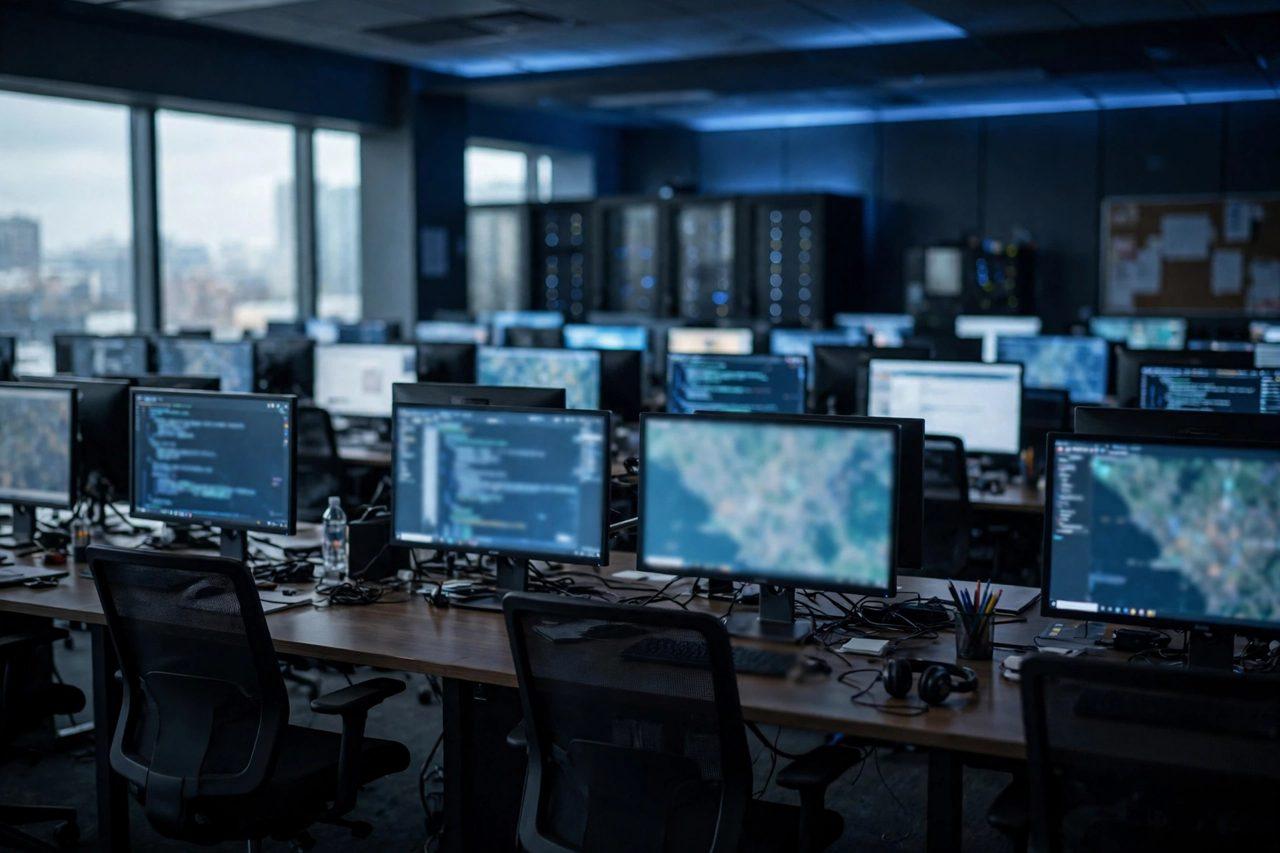
The FBI's warning singles out a target group that should make the whole industry pause: the people who maintain open-source software. Compromising one maintainer can compromise every project and wallet that trusts their code — a supply-chain attack rather than a single theft. That is why the bureau frames FaceStealer as both a theft campaign and an infrastructure threat, and why it released a dedicated FLASH advisory with guidance for organisations and individuals on identifying suspicious video meeting invitations and avoiding malicious troubleshooting prompts. The tactics are debated, in plain language, in the Zimbuck Market News group whenever a warning like this lands.
A separate campaign from the exchange hack
FaceStealer is not the Binance theft, and readers should keep the two apart. The FBI has linked a separate North Korea-linked group, TraderTraitor, to the much larger exchange breach built around fake job interviews and malicious coding assignments. FaceStealer's entry point is different — the fake video call rather than the fake job process — and its victim set is individuals and developers rather than one exchange's internal systems. What the campaigns share is the method family: social engineering first, malware second, and a target chosen because of what their machine or credentials can reach. Reporting of the FBI's announcement, including the infrastructure seizure, is summarised in coverage of the FBI FaceStealer warning.
What the FBI advises — and what to do today
The bureau has published recommendations and victim information on its dedicated FaceStealer page at fbi.gov/facestealer, alongside the FLASH advisory released on November 12. The practical core of the guidance is simple enough to apply immediately:
- Verify the invitation: confirm a video meeting through a second, separate channel before joining, especially if the invite arrives from a social or messaging account.
- Distrust the platform link: an imposter conferencing site is the entry point — navigate to the real service yourself rather than following an invite link.
- Never run troubleshooting steps from a call: do not paste commands, install "fixes" or run code because someone on a video call asked you to.
- Protect the keys: keep seed phrases and signing devices off the machine you take meetings on, so a compromised call cannot become a compromised wallet.
The bigger lesson for crypto security
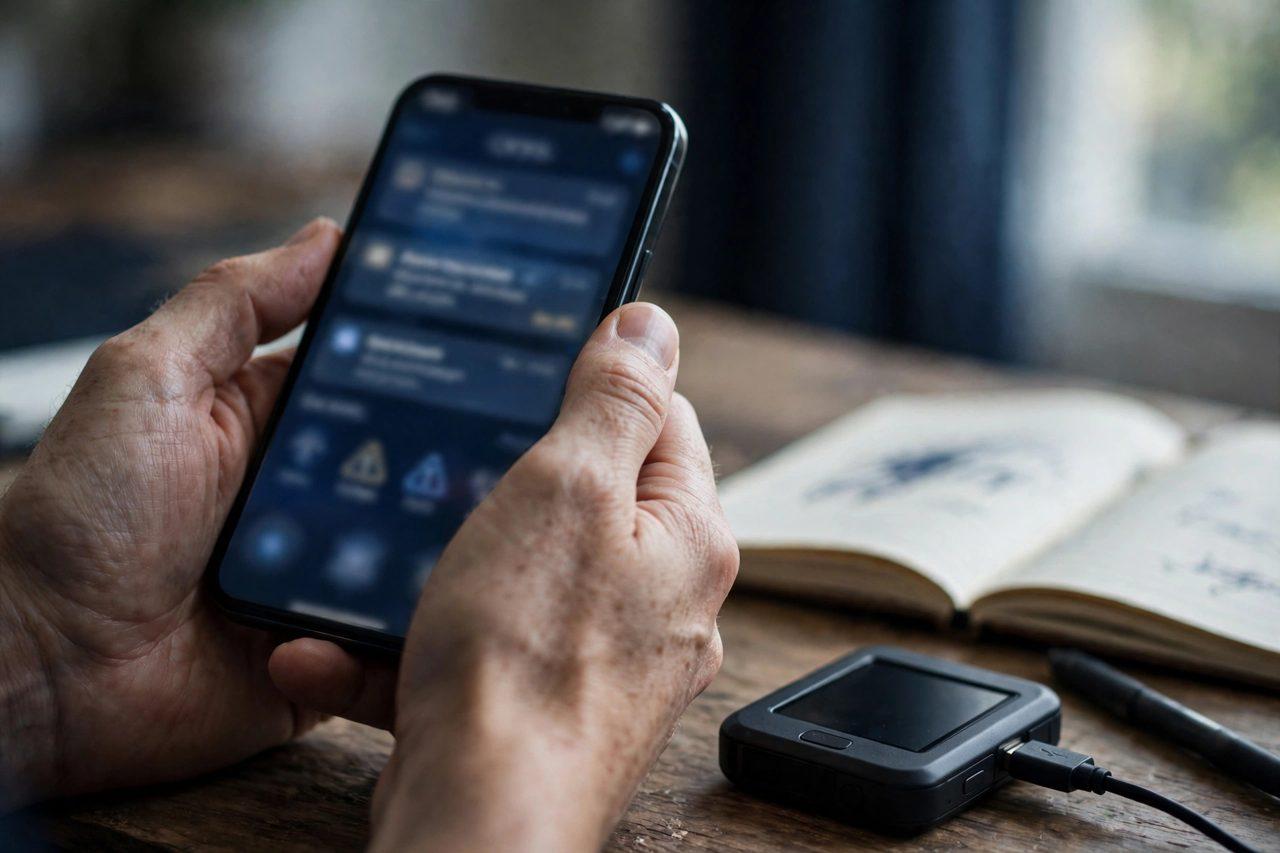
Four hundred million dollars over 18 months, taken one video call at a time, is a reminder that the weakest layer in crypto security is rarely the cryptography. Private keys, exchange systems and open-source repositories are all guarded by people, and people can be invited into a room that looks exactly like the rooms they use every day. The November 12 infrastructure seizure disrupts this campaign; it does not retire the tactic. Treat every unsolicited meeting invite the way you would treat an unsolicited wallet prompt: as something to verify, slowly, through a channel the sender does not control. The same vigilance applies to subtler tricks, such as address poisoning, where a fake lookalike address can drain a wallet.
FAQ
What is FaceStealer? The FBI's name for a North Korean social-engineering scheme that uses imposter video-conference platforms, hijacked accounts and secretly recorded webcam video to steal cryptocurrency — more than $400 million over 18 months.
Who is behind it? The FBI links the campaign to the North Korean state-backed groups Sapphire Sleet and UNC1069. On November 12, the Justice Department seized cloud infrastructure used in the scheme.
Who is at risk? Anyone who owns cryptocurrency, works in the crypto or Web3 industry, or maintains open-source software repositories, according to the FBI.
How do I protect myself? Verify meeting invitations through a separate channel, avoid invite links to conferencing platforms, never run troubleshooting commands or code prompted during a call, and keep wallet keys away from your everyday meeting machine. The FBI's guidance is published at fbi.gov/facestealer.
This article is market news and general information only, not financial advice. Stay safe, do your own research, and join the discussion on Zimbuck, the finance social platform for traders and investors.






