

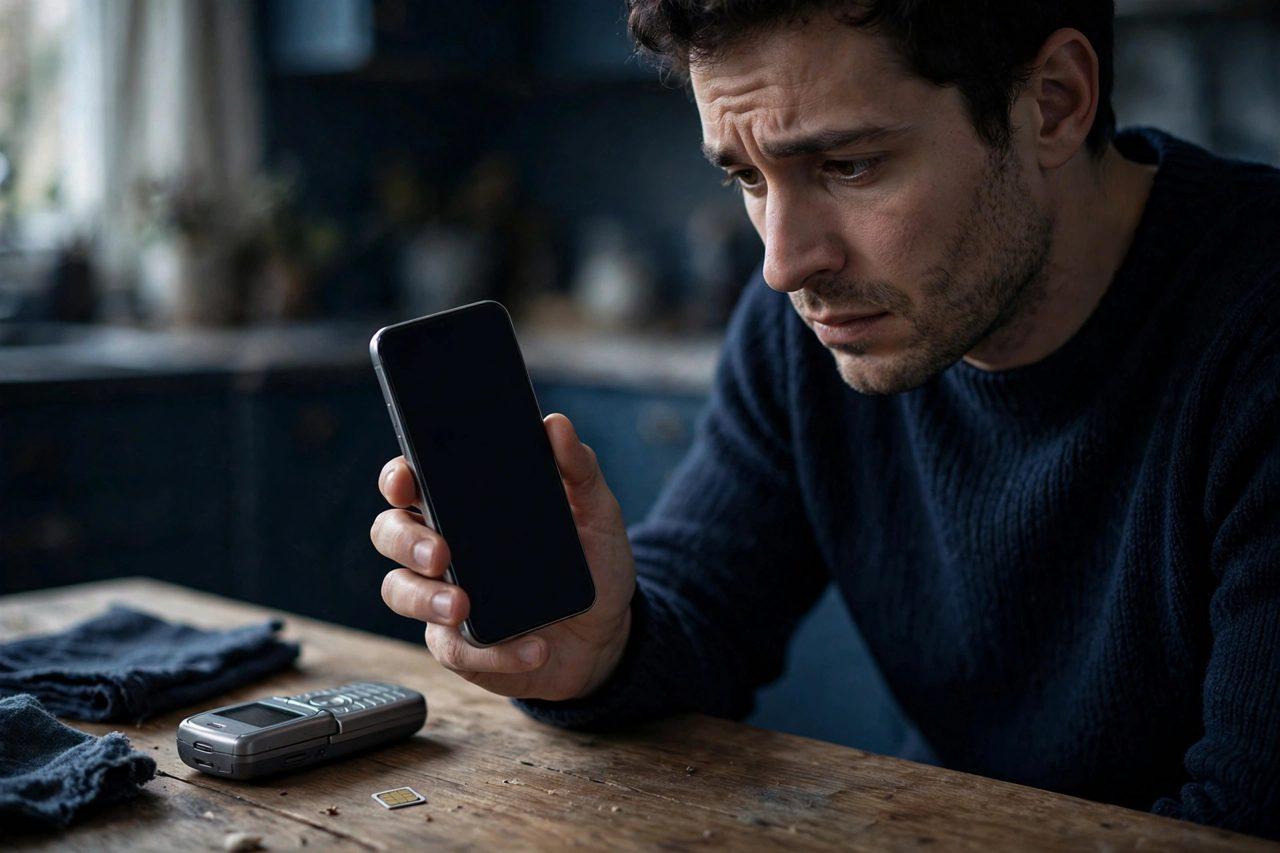
What Is a SIM Swap Attack? How a Stolen Phone Number Empties a Crypto Account — Explained

Your Phone Number Is Not a Password
A SIM swap attack lets a criminal move your phone number onto a SIM card they control — and with it, every SMS login code and password-reset text meant for you. For crypto holders the stakes are unusually high, because stolen coins move fast and are very hard to recover. This guide explains how the attack works, how to spot it, and the steps that actually protect an exchange account.
The U.S. Federal Communications Commission (FCC) defines SIM swapping as a bad actor convincing a carrier to move a victim's number to a new device. The FBI says attackers get in three ways: impersonating the victim to carrier staff, bribing a carrier employee, or phishing carrier employees. Share your own security setup on the Zimbuck News page.
How a SIM Swap Attack Works
- Step 1 — Research: the attacker gathers your name, phone number and personal details from breaches and social media.
- Step 2 — Carrier takeover: they convince your carrier to move your number to their SIM. Your phone suddenly loses service.
- Step 3 — Account resets: your texts now go to them, so they reset your email password first, then your exchange and bank logins.
- Step 4 — Drain: SMS two-factor codes confirm withdrawals to their wallet — in the FBI's 2022 warning, its Internet Crime Complaint Center recorded 1,611 SIM swapping complaints in 2021 with adjusted losses above $68 million, up from about $12 million across 2018–2020.
The Warning Signs
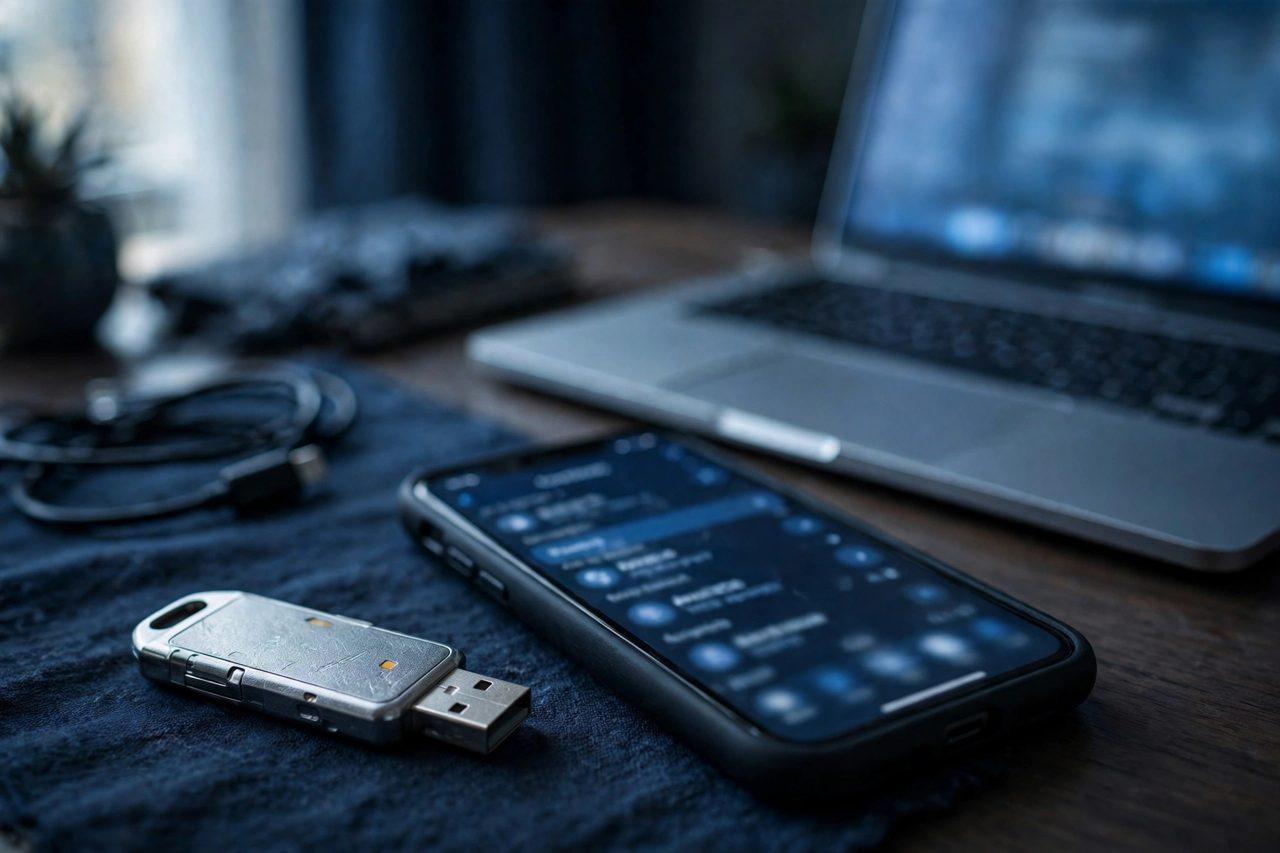
The clearest signal is your phone abruptly showing no service for calls, texts or data when you have not changed anything — the U.S. Federal Trade Commission lists exactly that as a red flag, along with a carrier notice that your SIM was activated on a new device. Other signs: password-reset emails you did not request, login alerts from new locations, and being locked out of accounts you used minutes earlier. If you see them, act in this order: call your carrier from another phone and demand the number be restored and flagged for fraud, freeze your exchange accounts, secure your email from a clean device, then report the crime — in the U.S., to the FBI's IC3. Our related security guide on address poisoning covers a different wallet trick that targets the same accounts.
How to Protect Your Crypto: The Checklist
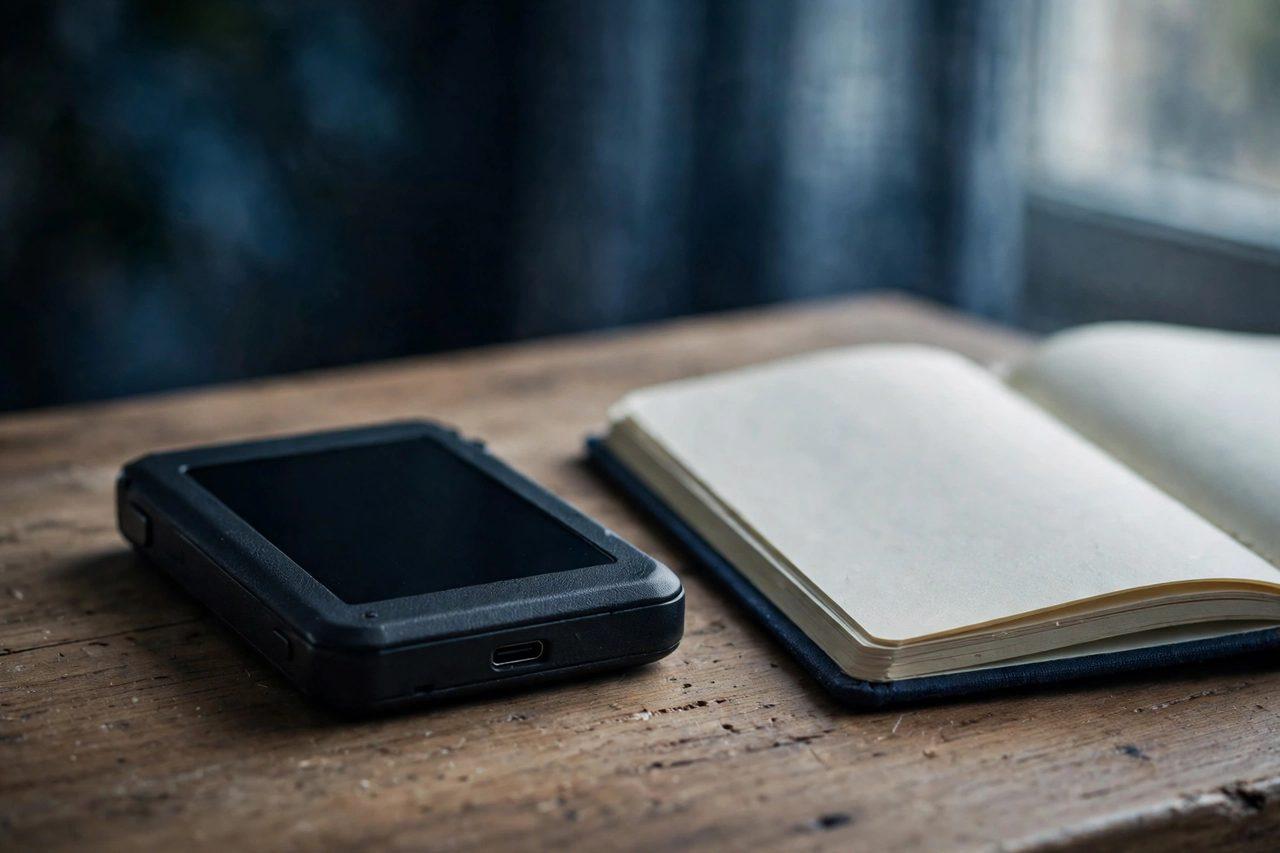
You cannot stop criminals targeting you, but you can make a hijacked number useless. Remove SMS as a login or recovery method on exchanges, email and password managers — U.S. guidance from NIST classes SMS codes as a restricted method. Use an authenticator app, a passkey or a hardware security key instead; cybersecurity agency CISA notes SIM swaps simply do not apply to FIDO/WebAuthn authentication, which it calls the gold standard. Lock the carrier layer: set a carrier account PIN different from your phone unlock code and ask for a port-out or number lock — FCC rules adopted on November 15, 2023 require carriers to authenticate customers securely before moving a number and to notify customers of SIM changes. Secure your email first, because it resets everything else. Turn on withdrawal allowlists so even a logged-in attacker cannot send funds to a new address. And keep long-term holdings in a self-custody wallet: a hardware wallet is controlled by a private key, not a phone number, so a SIM swap cannot touch it — though its seed phrase must never be stored in phone notes, photos or cloud backups. Readers swap checklists in the Zimbuck Market News group. A fuller walkthrough is at Tangem's guide to protecting crypto from SIM swap attacks.
FAQ
What is a SIM swap in one sentence? A fraudster convinces your mobile carrier to move your phone number to a SIM they control, so your calls, texts and login codes go to them.
Is SMS two-factor authentication safe for an exchange account? It is the weakest common option, because a SIM swap defeats it completely. An authenticator app is stronger; a hardware security key or passkey is strongest.
Can a SIM swap steal coins from a hardware wallet? No. A self-custody wallet is controlled by its private key, not your phone number — the risk there is your seed phrase, which belongs offline on paper or metal.
What should I do first if my phone suddenly has no service? Treat it as a possible swap: contact your carrier immediately from another phone, then freeze exchange accounts and secure your email.
This article is general information only, not financial advice. Join the conversation at Zimbuck — the finance social platform for traders and investors.






