English
 Arabic
 French
 Spanish
 Portuguese
 Deutsch
 Turkish
 Dutch
Dutch
 Italiano
 Russian
 Romaian
 Portuguese (Brazil)
 Greek
Greek
CODM CP South Africa – Buy Safely at Carry1st Shop
Games |
2026-04-07 19:37:21
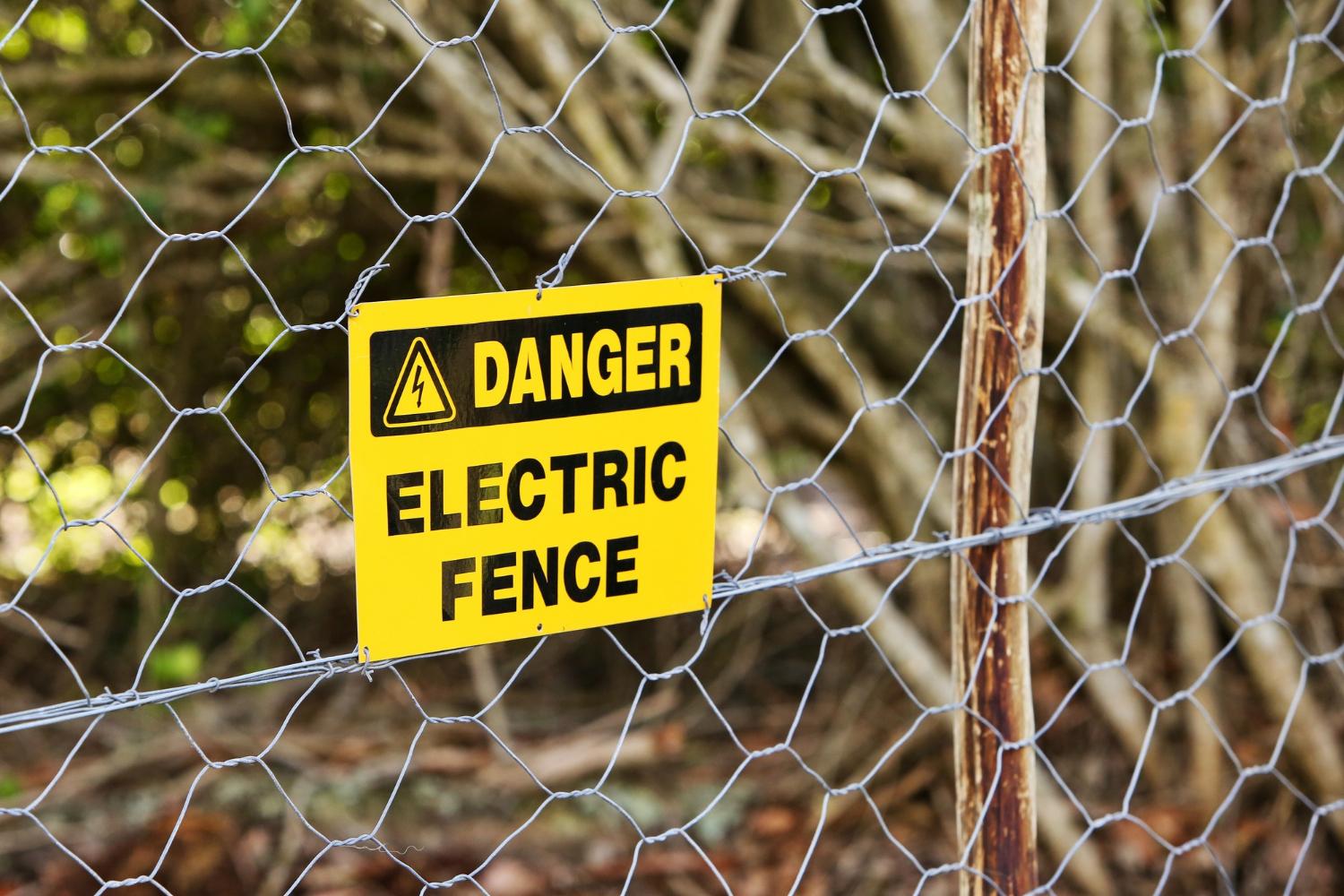
Security is a primary concern for homeowners and business owners across South Africa, but in the unique landscape of the Western Cape, "security" means more than just a locked door. It means a proactive, multi-layered defense. At the heart of this defense is the electric fence—a high-voltage deterrent that serves as the first line of protection for your property.
If you are looking for electric fencing Cape Town, you aren't just buying hardware; you are investing in peace of mind. This guide breaks down everything from the psychology of deterrence to the technical nuances of installation and maintenance.
An electric fence is unique because it provides three distinct layers of security: Physical, Psychological, and Electronic.
Physical Barrier: High-tensile stainless steel or galvanized wires significantly increase the height of your perimeter wall, making it physically difficult to scale.
Psychological Deterrent: The sight of the warning signs and the visible high-voltage wires acts as a powerful "skip this house" signal to opportunistic criminals.
Electronic Detection: Unlike a standard wall, an electric fence is "intelligent." If a wire is cut or touched, the system triggers an alarm that can be linked to your armed response provider or a mobile app.
When homeowners begin their research, the most common question is: "What is the electric fence price?"
However, price is a variable that depends on several critical factors. A "cheap" installation often leads to false alarms and system failures within 18 months. To get an accurate estimate, you must consider:
|
Factor |
Impact on Cost |
Why it Matters |
|
Number of Strands |
Higher strand count = Higher cost |
More strands (e.g., 8 vs. 5) prevent intruders from squeezing through gaps. |
|
Material Quality |
Stainless Steel > Galvanized |
In Cape Town’s coastal air, galvanized wire rusts; stainless steel is a must for longevity. |
|
Energizer Power |
Higher Joules = Higher cost |
Larger properties require more powerful energizers to maintain voltage over long distances. |
|
Zoning |
Multi-zone systems = Higher cost |
Dividing your fence into zones (e.g., Front Yard vs. Back Yard) tells you exactly where a breach occurred. |
Cape Town presents specific environmental challenges that do not exist in the interior of the country.
If you live in Sea Point, Blouberg, or False Bay, the salt-laden air is your fence’s biggest enemy. Standard galvanized wire will corrode within two years, causing "arcing" (sparks jumping across wires) and constant false alarms. For Cape Town installations, 316-grade stainless steel is the industry standard.
Cape Town’s famous wind can cause branches to knock against wires or debris to get caught in the strands. A professional installer will ensure the tensioners are correctly calibrated so the wires remain taut in the wind but have enough "give" not to snap.
In South Africa, you cannot simply "hook up" a fence. There are strict legal regulations governed by the Department of Labour.
1
Check the Height
Minimum 1.5 meters
Electric fences must be installed at a height that prevents accidental contact by pedestrians on the sidewalk.
2
Install Warning Signs
Mandatory signage
Yellow warning signs must be placed at 10-meter intervals and at every gate or change of direction.
3
The COC (Certificate of Compliance)
Legal Requirement
Upon completion, your installer MUST issue a COC. Without this, you cannot sell your house, and your insurance company may refuse to pay out in the event of a claim.
An electric fence is not a "set and forget" system. To ensure it works when you need it most, follow this maintenance checklist:
Clear the Vegetation: Ensure no branches or leaves are touching the wires. This is the #1 cause of false alarms.
Check the Battery: The energizer has a backup battery for load shedding. These batteries typically last 1-2 years before they need replacing.
Inspect the Insulators: Over time, plastic insulators can crack due to UV exposure, causing the electricity to "leak" into the wall.
Investing in electric fencing is about creating a "Hard Target." In Cape Town's competitive security environment, criminals look for the path of least resistance. By installing a high-quality, legally compliant system, you ensure that your property is the one they decide to pass by.
1. Does the electric fence stay on during load shedding?
Yes. Every reputable system includes a 12V backup battery. Depending on the size of your fence, this will keep the system active for 6 to 12 hours. For extended outages, we recommend a larger deep-cycle battery.
2. Can an electric fence kill a person?
The energizer delivers a "non-lethal" high-voltage, low-amperage pulse. It is designed to be extremely painful and cause muscle contraction (a massive shock), but it is not intended to be fatal when installed according to SANS regulations.
3. What is the average lifespan of a Cape Town electric fence?
If using 316-grade stainless steel, the wires can last 10–15 years. The electronics (energizer) usually last 5–8 years, and the backup battery 1–2 years.
4. Will my pets be safe?
Most pets learn very quickly to stay away from the fence after one minor "sniff" or touch. However, for smaller dogs, we can adjust the bottom strand height to ensure they don't accidentally run into it during play.
5. How much does a Certificate of Compliance (COC) cost?
The COC is usually included in the initial installation price. If you are getting a COC for an existing fence (e.g., for a property sale), the cost typically ranges from R800 to R1,500, depending on the repairs needed to bring the fence up to code.