
What Is Natural Gas Trading? How Natural Gas Futures, Weather and Storage Move Prices

Natural gas is the commodity that can move 8% in a week because the weather forecast changed — and this week it did exactly that, rising about 8.1% to $3.242 per MMBtu on cold weather and record LNG export flows. If you have ever wondered why traders treat a gas contract so differently from gold or oil, this guide explains how the market works.
Natural gas heats homes, generates electricity and feeds chemical plants, and almost all of that demand is physical and time-sensitive. You cannot easily store a winter's worth of gas the way you can stack gold bars in a vault, and that single fact shapes everything about how the price behaves. Keep up with the commodity desk's coverage via Zimbuck News as the heating season develops.
The basics: units, benchmarks and the main contract
- Unit: natural gas is priced per MMBtu (one million British thermal units)
- Benchmark: Henry Hub in Louisiana is the US pricing point; European traders watch the Dutch TTF benchmark instead
- Main futures contract: NYMEX natural gas futures — 10,000 MMBtu per contract, traded nearly around the clock
- This week's reference point: about $3.242 per MMBtu, up roughly 8.1% on the week on cold weather and record LNG flows, per the November 14 commodity week-ahead report
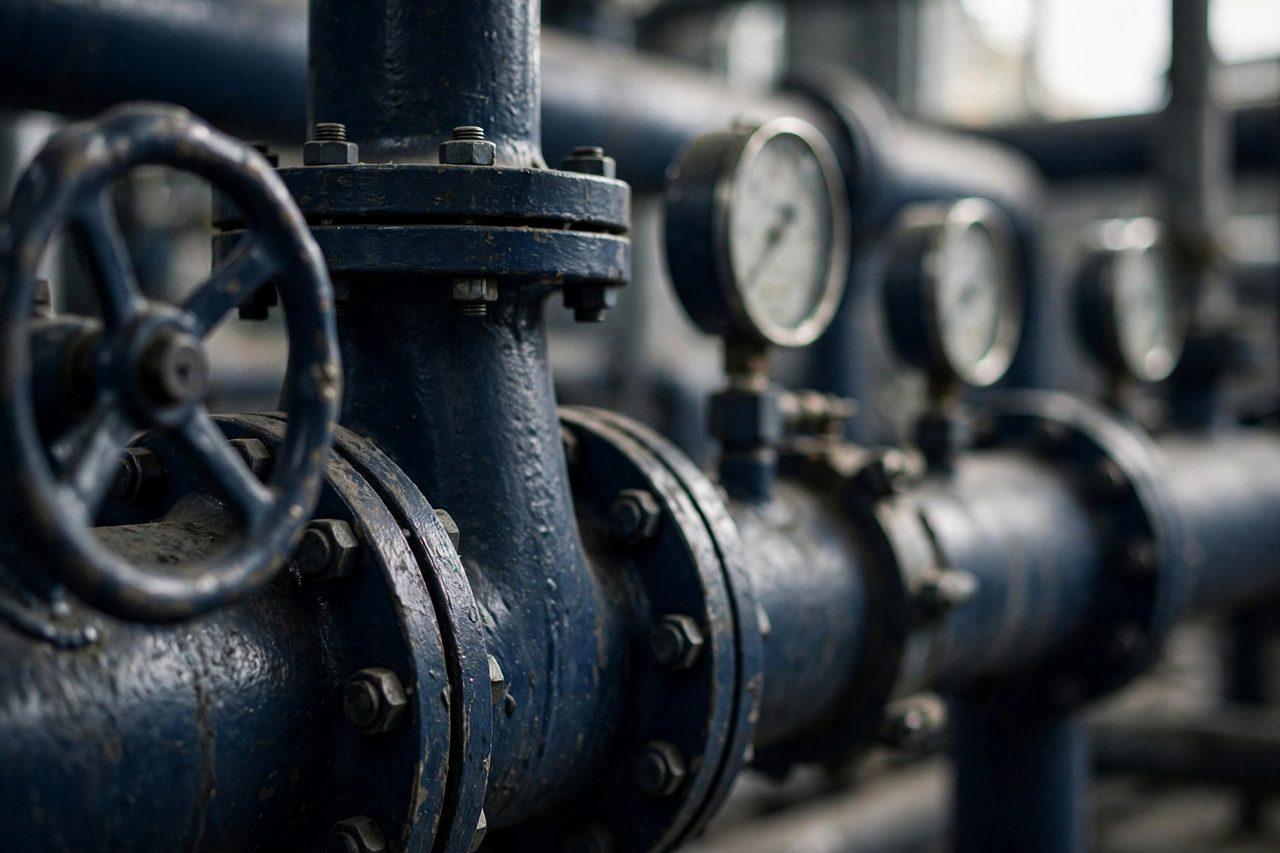
The four forces that move the gas price
1. Weather. A colder-than-expected forecast for the US Midwest or Northeast can lift prices within hours, because heating demand arrives whether the market is ready or not. Summer heat waves do the same through air-conditioning load on gas-fired power plants.
2. Storage. The US Energy Information Administration publishes a weekly storage report — usually on Thursdays — showing how much gas sits in underground caverns. A bigger-than-expected draw in winter, or a smaller-than-expected build in summer, tightens the market's cushion and pushes prices up. The logic is the same one behind the oil market's inventory rhythm, explained in our guide to what the EIA oil inventory report is and how weekly stock data moves crude.
3. LNG exports. Liquefied natural gas terminals on the US Gulf Coast now pull a large, steady share of American production onto ships bound for Europe and Asia. When export flows run at record levels, less gas is left for the domestic market, and US prices become more sensitive to global competition for cargoes.
4. Production and outages. Freeze-offs at wells, pipeline maintenance and hurricane disruptions in the Gulf can all cut supply quickly. Because gas cannot be rerouted as flexibly as oil on tankers, local disruptions show up in the benchmark price fast.
Why gas is famous for violent swings
Traders call natural gas the "widowmaker" for a reason. Demand spikes are weather-driven and non-negotiable, storage is finite, and the futures curve can flip between structures within weeks. In a loose, well-supplied market, prices for future months trade below the near month; in a tight market the curve inverts and immediate delivery commands a premium. If those curve shapes are new to you, our explainer on contango and backwardation and how futures curves work walks through them with commodity examples. The practical lesson is sizing: gas routinely moves several percent in a day, so position sizes that feel normal in gold can be far too large here.

How beginners usually get exposure
Most retail participants never touch the physical market. The common routes are the NYMEX futures contract itself, smaller micro contracts, exchange-traded products that track gas futures, and shares of gas producers and pipeline companies. Each carries a different risk shape: futures-based products suffer when the curve is in contango because each month's roll buys the next contract at a higher price, while producer shares add company and equity-market risk on top of the gas price. Checking which structure the curve is in, what the latest storage report showed, and what the two-week weather outlook says is the basic pre-trade routine the desk shares in the Zimbuck Market News group.
Frequently asked questions
What does MMBtu mean?
One million British thermal units — a measure of energy content. US natural gas prices are quoted in dollars per MMBtu.
What is Henry Hub?
A pipeline hub in Erath, Louisiana, where the US benchmark price is set. NYMEX futures are priced for delivery there.
When is the gas storage report released?
The EIA publishes it weekly, normally on Thursday at 10:30 a.m. Eastern Time, covering the week ending the previous Friday.
Why did gas rise this week?
Colder weather lifted heating demand expectations while LNG export flows ran at record levels, tightening the balance; the benchmark gained about 8.1% to roughly $3.242 per MMBtu.
Is natural gas riskier than gold or oil?
By daily volatility, usually yes. Weather-driven demand and limited storage make sharp, fast moves common, which is why experienced traders size gas positions smaller.
This article is market education and general information only, not financial advice. To follow the heating season with other traders, join Zimbuck — the finance social platform for traders and investors.