English
 Arabic
 French
 Spanish
 Portuguese
 Deutsch
 Turkish
 Dutch
Dutch
 Italiano
 Russian
 Romaian
 Portuguese (Brazil)
 Greek
Greek
Honkai Story Choices – Guide to Picking Suspects
Games |
2026-04-08 00:57:03
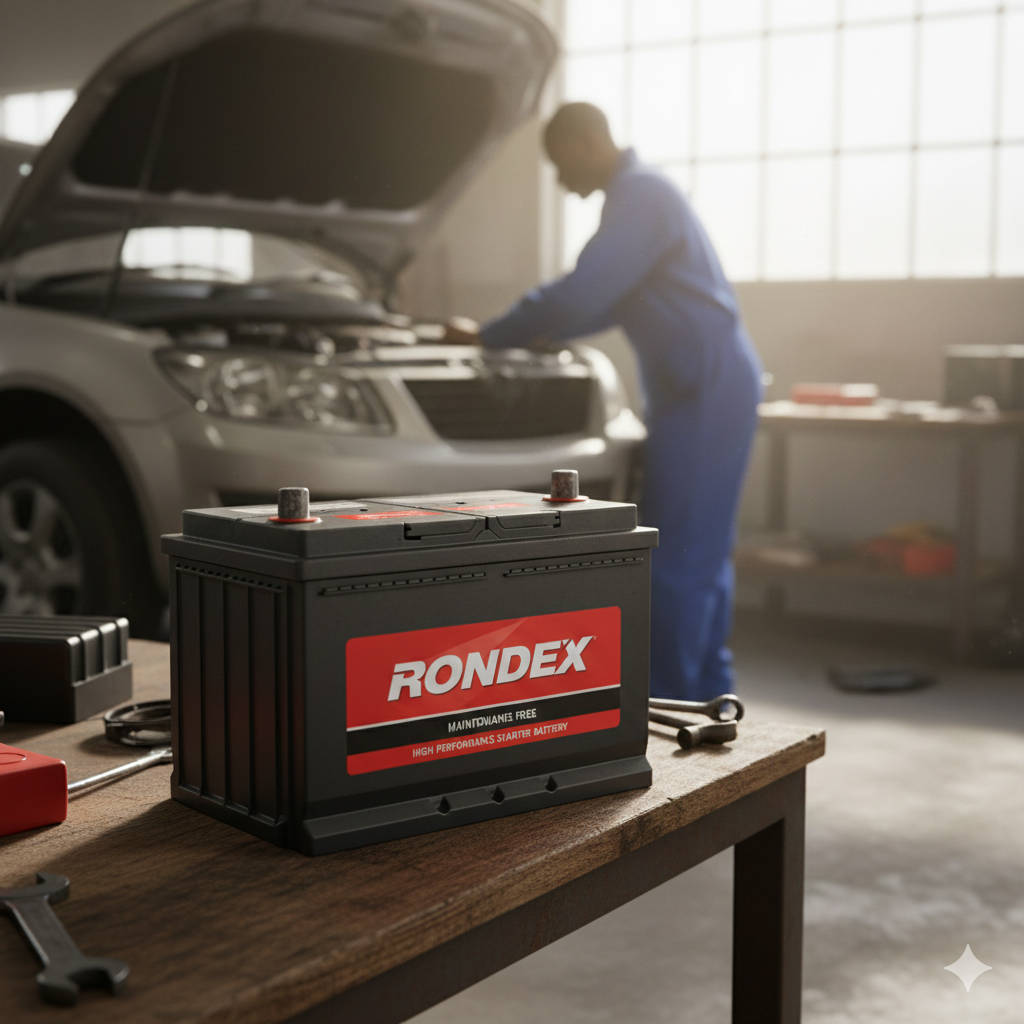
In the world of commercial logistics and heavy-duty transport, downtime is the enemy of profitability. When a truck, tractor, or industrial generator fails to start, the ripple effect through the supply chain can be costly. At the heart of this reliability is a component often taken for granted until it fails: the heavy-duty battery.
In the South African market, where extreme temperature fluctuations and high-vibration road conditions are the norm, choosing the right battery is a strategic business decision. Today, we’re breaking down the engineering and applications of two industry workhorses: the 634C and the 689C 132Ah heavy-duty batteries.
A standard passenger vehicle battery is designed for a single task: providing a quick burst of energy to start a small engine. In contrast, commercial batteries must endure "deep cycling" — the process of being discharged and recharged repeatedly — while powering auxiliary systems like tail lifts, cabin heaters, and GPS tracking units.
The 634C is a specialized high-output battery designed for medium-to-heavy commercial vehicles. What makes this unit stand out is its balance between physical size and cranking power. For fleet managers looking for a reliable replacement that fits standard mounting brackets without compromising on torque, the is a go-to solution.
These batteries are typically built with thicker lead plates and high-density active material. This internal architecture allows the battery to resist "shedding" (where the active material falls off the plates due to vibration), which is the leading cause of premature battery death in South African trucking.
When you move into the territory of massive diesel engines — think long-haul horses and heavy agricultural machinery — you need the 689C. This battery is defined by two critical metrics:
132Ah (Ampere Hours): This represents the battery's capacity. A 132Ah rating means it can provide a steady stream of power for longer durations, which is vital for vehicles that have high "parasitic" loads while the engine is off.
810CCA (Cold Cranking Amps): This is the raw "muscle" of the battery. It represents the amount of current the battery can deliver at -18°C for 30 seconds. For a heavy diesel engine, high CCA is non-negotiable to overcome the high compression of the cylinders.
For those operating in the most demanding environments, the provides the necessary headroom to ensure a first-time start every time.
South African roads, particularly in rural or industrial areas, are notorious for their vibration levels. For a lead-acid battery, constant vibration is like a slow-motion earthquake. It can cause the internal connectors (straps) to crack or the plates to touch, creating a short circuit.
Professional-grade heavy-duty batteries combat this through hot-melt resin bonding. By gluing the plates to the bottom of the casing, manufacturers significantly reduce the movement of the internal components. When sourcing a 634C or 689C, ensuring the unit is rated for "High Vibration Resistance" is often more important than the brand name on the sticker.
Even the best battery will fail prematurely if neglected. To get the full 3-to-5-year lifespan out of a heavy-duty unit, fleet managers should implement a three-step protocol:
Terminal Hygiene: Clean terminals prevent voltage drops. A thin layer of petroleum jelly or specialized terminal spray after cleaning prevents the white "fuzz" (lead sulfate) from forming.
State of Charge (SoC) Monitoring: Lead-acid batteries hate being left in a discharged state. If a vehicle is stationary for more than two weeks, the battery should be put on a "trickle" or maintenance charger to prevent sulfation.
Hold-Down Security: Ensure the battery clamps are tight. A battery that bounces in its tray will fail in half the time of one that is securely mounted.
The 634C and 689C represent the peak of lead-acid engineering for the commercial sector. By understanding the difference between raw capacity (Ah) and starting power (CCA), and by prioritizing vibration resistance, South African operators can significantly reduce their total cost of ownership. Your battery isn't just a part; it's the heartbeat of your mobile office and your heavy machinery.
1. Can I use a 634C battery in a regular passenger car? Technically, if it fits the tray, it will start the car with ease. However, these batteries are much heavier and more expensive than standard car batteries. It is generally a waste of resources to put a commercial-grade battery in a small petrol vehicle.
2. What is the main difference between the 689C and a standard 100Ah battery? The 689C offers significantly more "reserve capacity" (132Ah vs 100Ah) and higher CCA (810 vs ~600). This extra capacity is specifically designed to handle the high compression of 6-cylinder and 8-cylinder diesel engines that a 100Ah battery might struggle to crank in cold weather.
3. Does the 689C require water top-ups? Most modern Rondex heavy-duty batteries are "Maintenance Free," meaning they use calcium-calcium alloy plates that minimize water loss. Under normal operating conditions, you do not need to add water, but you should still check the "magic eye" indicator for health status.
4. How do I know if my 634C is failing before it leaves me stranded? Watch for "lazy" starts where the engine turns over slower than usual. Additionally, if your headlights dim significantly when you try to start the engine, the battery's internal resistance is likely too high, indicating it’s time for a replacement.
5. Are these batteries recyclable? Yes. Lead-acid batteries are one of the most recycled products in the world. In South Africa, you can often get a "scrap credit" (a discount) on your new battery by returning the old 634C or 689C unit to the distributor.
6. Is the 689C suitable for solar backup? While it is a "Heavy Duty" battery, it is still primarily a starter battery. For dedicated solar or inverter use, a Deep Cycle battery is a better choice, as it is designed for deeper discharges than a 689C.