

Unocoin Confirms $200,000 Stolen From Three Hot Wallets as Eight-Year-Old Backup Keys Are Compromised

Indian exchange Unocoin has confirmed that attackers stole approximately $200,000 in cryptocurrency from three of its hot wallets — reversing its earlier assurance that no funds were lost — after backup signing keys created around eight years ago were compromised.
The disclosure came in Unocoin's official security incident update of November 14, 2026, and was reported the same day by Bitcoin.com and TokenPost with matching figures. The exchange says it will fully fund the loss from its own resources, so customer balances will not be reduced. Follow security stories like this via Zimbuck News.
What happened, in numbers
- Loss: approximately $200,000 in cryptocurrency
- Wallets affected: 3 hot wallets out of more than 20 operational wallets
- Share of customer assets: significantly less than 1%, according to the exchange
- Incident start: November 6, 2026, when Unocoin froze its BitGo enterprise account at 11:29 UTC as a precaution
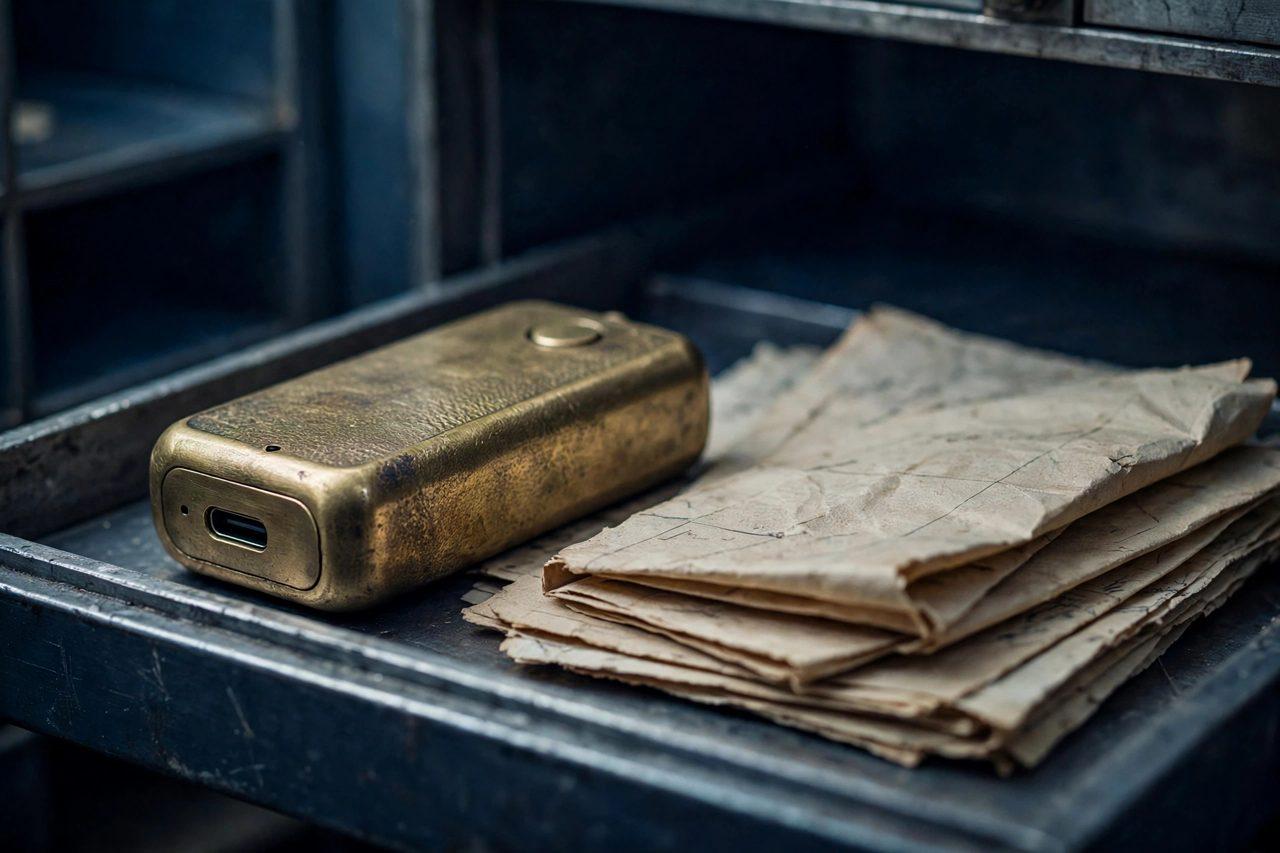
- Weak point: encrypted backup keys generated about eight years ago, printed on paper and kept in physical storage

How the backup keys became the way in
Unocoin's wallets used a two-of-three multisignature setup provided through BitGo: any two of three keys — a user key, a backup key and BitGo's key — could authorise a transfer. Unocoin controlled the first two. Investigators found that the unauthorised transactions were signed using Unocoin's own user and backup keys and broadcast directly to the blockchains, without ever passing through BitGo's platform.
That detail matters. Freezing the custody account worked as intended, but the stolen transfers never touched the custody platform at all. BitGo's own review, published November 13, reached the same conclusion: its infrastructure was not compromised and its key was not used. The open question, which Unocoin says it is still investigating, is how keys that were printed on paper eight years ago — and whose decryption passphrase existed somewhere in the compromised infrastructure — were accessed.
Customer data may also have been exposed
The update also warns that parts of Unocoin's infrastructure may have exposed customer information, potentially including registered email addresses, residential addresses, encrypted passwords, account balances and know-your-customer information. The exchange says investigators have found no evidence that identity verification documents themselves were accessed.
For customers, the practical risk now is targeted phishing: attackers who know your email, address and approximate balance can write very convincing fake "recovery" or "verification" messages. Unocoin customers should treat any unsolicited contact about this incident with suspicion and go only through the exchange's official channels — a warning the community in the Zimbuck Market News group has been repeating after every major breach this year. Wallet-key protection is a recurring theme on the platform, from quantum-resistant verification work covered in the Starknet Falcon-512 story to basic key hygiene.

The lesson: a backup key is a live key
Multisignature setups are often described as if the backup key were inert — a sealed envelope for emergencies. This incident shows the opposite: a backup key that can sign on its own path is a live key for its entire lifetime, including eight years later, long after the systems around it have changed. Key ceremonies, storage locations and passphrases from years ago remain part of today's attack surface, which is why custodians advise rotating to freshly generated keys after any suspected compromise — exactly the step BitGo says it has advised Unocoin to take for its remaining funds.
Frequently asked questions
How much did Unocoin lose?
Approximately $200,000, taken from three hot wallets. The exchange says that is significantly less than 1% of the crypto assets it holds for customers, and that it will cover the loss itself.
Was BitGo hacked?
No. Both Unocoin and BitGo say BitGo's infrastructure was not compromised and its signing key was not used; the transfers were signed with Unocoin-controlled keys outside BitGo's platform.
Is customer data at risk?
Possibly. Unocoin says email addresses, residential addresses, encrypted passwords, balances and KYC information may have been exposed, but it has found no evidence that ID documents were accessed. Customers should watch for targeted phishing.
When did the incident begin?
Unocoin froze its BitGo enterprise account on November 6, 2026 while investigating a compromise of its systems; the $200,000 loss figure was confirmed in its November 14 update.
Security incidents like this one are why key management gets as much coverage as prices here. Join the conversation at Zimbuck, where the security desk tracks exchange breaches and wallet safety through the week.
This article is market news and general information only, not financial advice.






