


AUD/USD Closes Below 0.68 at Its Lowest Since January as the Dollar Stays Strong

The Australian dollar closed below 0.68 on Friday, November 13, as AUD/USD fell 0.53% to finish near 0.6773. It was the pair's lowest close since January, and a third straight day of losses that leaves the Aussie firmly on the back foot against a strong US dollar.
During the session the pair slipped to a low of 0.67695 and traded below 0.6800 for the first time since late January. For readers following the move on Zimbuck News, the story is less about Australia alone and more about how quickly dollar sentiment has turned.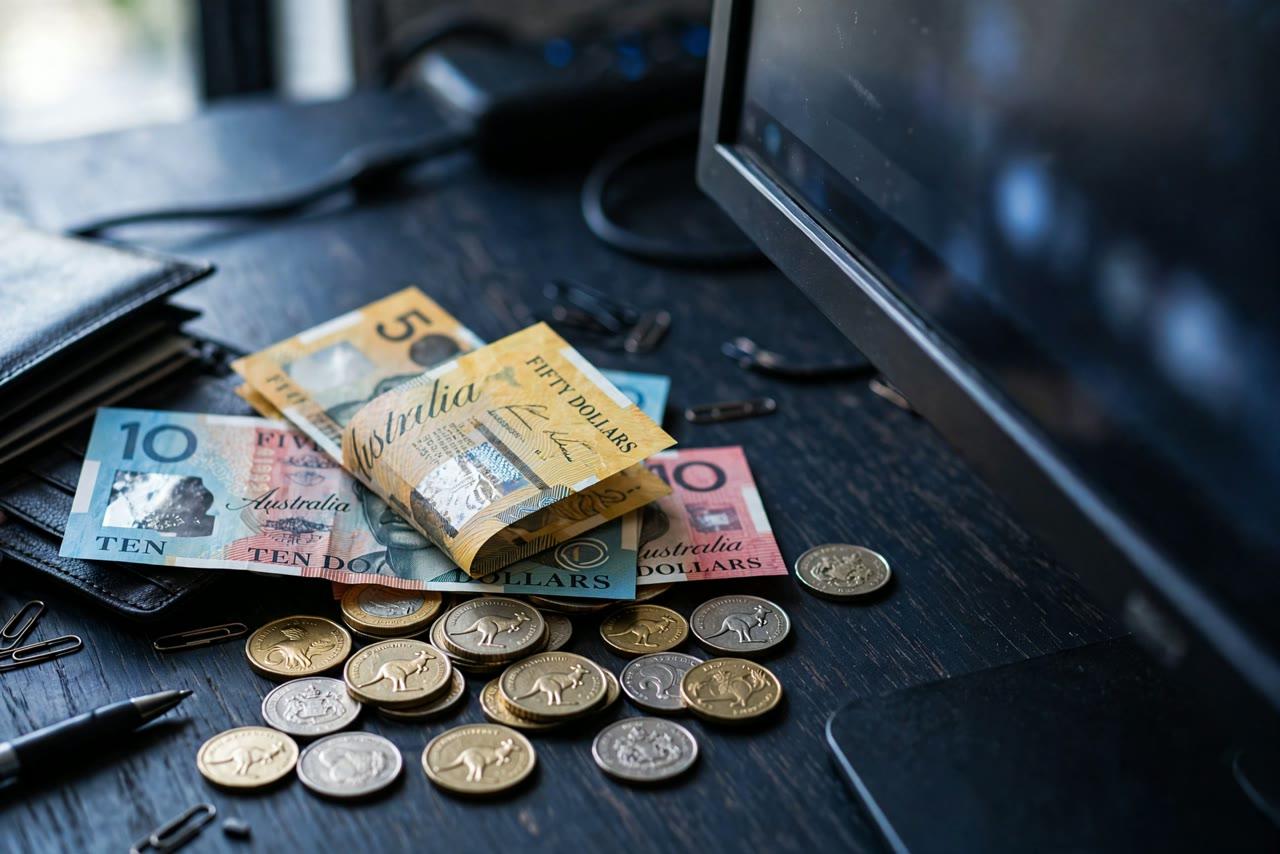
Why the Aussie kept falling
The main driver, according to FXStreet's coverage of the move, is a strong US dollar supported by growing bets that the Federal Reserve will hike interest rates in December. Some investors are even pencilling in a larger 50-basis-point rise, a shift that tends to pull money toward the dollar and away from currencies like the Australian dollar.
That repricing matters because AUD/USD is sensitive to rate expectations on both sides. When US yields look more attractive, the Aussie often struggles even without bad news at home.
The numbers from Friday's session
- AUD/USD fell 0.53% to close near 0.67725–0.6773
- Session low: 0.67695
- First close below 0.6800 since late January, and the lowest close since January
- Third consecutive day of losses
- The pair trades well below its 200-day simple moving average near 0.7050
Trading well below that 200-day average is why many chart watchers describe the near-term trend as weak. It does not predict what happens next, but it does show how far the pair has moved from its longer-term average. FXStreet's Australian dollar price forecast makes a similar point about the one-way feel of the recent road lower.
What US inflation data added
US producer price data did not stop the dollar bid. US October PPI rose 0.3% month on month, below the 0.4% forecast, while the annual rate was 6.5%, according to Bureau of Labor Statistics figures reported across multiple outlets.
A softer monthly reading would normally take some heat out of rate-hike talk. This time it did not lift the Aussie, showing how firmly the market was focused on the December Fed decision. Traders in the Zimbuck Market News group have debated that question all week.
Levels traders are watching
With 0.68 now behind it, attention turns to support levels traders are watching rather than to any single forecast. FXStreet analysis points to the January 2026 bottom near 0.6660 as an important area below current prices.
Between here and there, traders will watch whether 0.68 can be reclaimed and whether the pair can start closing back toward the 200-day average near 0.7050. Those are levels traders are watching, not a buy or sell call — forex pairs can move quickly when central-bank expectations shift, and a level that holds one week can break the next.
If you are learning how traders use levels and trends in pairs like this, our carry-trade forex guide is useful related reading on how interest-rate differences shape currency moves over time.
What is coming next
Two sets of minutes could set the tone in the coming days. The Reserve Bank of Australia minutes are due on November 17, followed by the FOMC minutes on November 18.
The RBA minutes will be scanned for how Australian policymakers see growth and inflation at home. The FOMC minutes matter even more for this pair, because they may show how seriously US policymakers discussed a December move. A hawkish tone would support the recent dollar story, while a more cautious tone could give the Aussie some breathing room. Either way, the reaction will likely come through the dollar first.
Frequently asked questions
Why did AUD/USD fall below 0.68?
It fell 0.53% on Friday as a strong US dollar, driven by growing bets on a December Federal Reserve hike, pushed the pair to its lowest close since January.
How low did AUD/USD trade on Friday?
The session low was 0.67695, with a close near 0.67725–0.6773 after a third consecutive day of losses.
What levels are traders watching now?
Traders are watching whether 0.68 can be reclaimed, the 200-day average near 0.7050 above, and the January 2026 bottom near 0.6660 below.
What should traders watch next week?
The RBA minutes on November 17 and the FOMC minutes on November 18, for clues on rate policy in Australia and the United States.
Follow the next moves in AUD/USD and the wider forex market by joining the conversation on Zimbuck, where traders share market news and discuss the levels that matter.
This article is market news and general information only, not financial advice.






