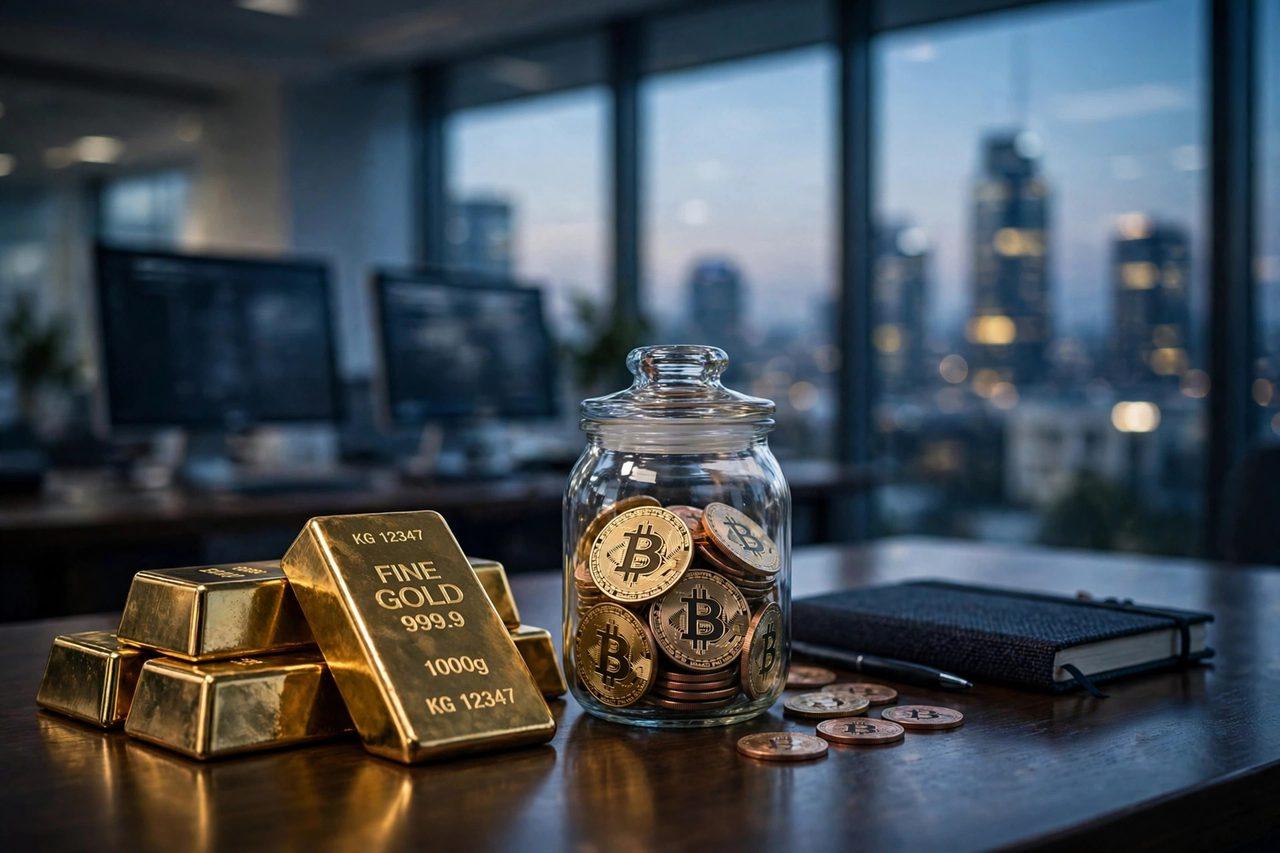

A government bond, a fund share and a slice of a building now trade the same way Bitcoin does — in small pieces, at any hour, settled in seconds. That is tokenization: issuing a claim on a real-world asset as a transferable token on a blockchain. Trackers put tokenized real-world assets at roughly $36–40 billion across all chains in late 2026, and the idea has moved from conference slides onto real balance sheets.
The most important sentence in any tokenization explainer is the one most of them skip: the token is the record of the claim, not the asset itself. The building does not move onto a blockchain. What moves is the register — who owns what — and readers following how fast this market is growing on the Zimbuck News page will keep seeing the same pattern: a familiar financial product underneath, a new rail on top.
What tokenization actually means
Tokenization means recording a claim on an off-chain asset — a Treasury bill, a loan, a bar of gold, a fund unit — as a token that can be held, transferred and settled on a shared ledger. A legal wrapper links the two sides: a company, trust or special-purpose vehicle (SPV) holds the underlying asset, and its documents state that whoever holds the token holds the claim. Skip that wrapper and the token represents nothing enforceable, which is why serious issuers start with lawyers, not code.
A stablecoin is the simplest example most readers already know: a tokenized claim on a dollar held by an issuer. Tokenized funds and bonds work the same way, just with different assets underneath and stricter rules about who may hold them.
How a real-world asset gets tokenized, step by step
- Structure the claim. The issuer creates the vehicle that holds the asset and defines exactly what a holder is owed — income, redemption value, or both.
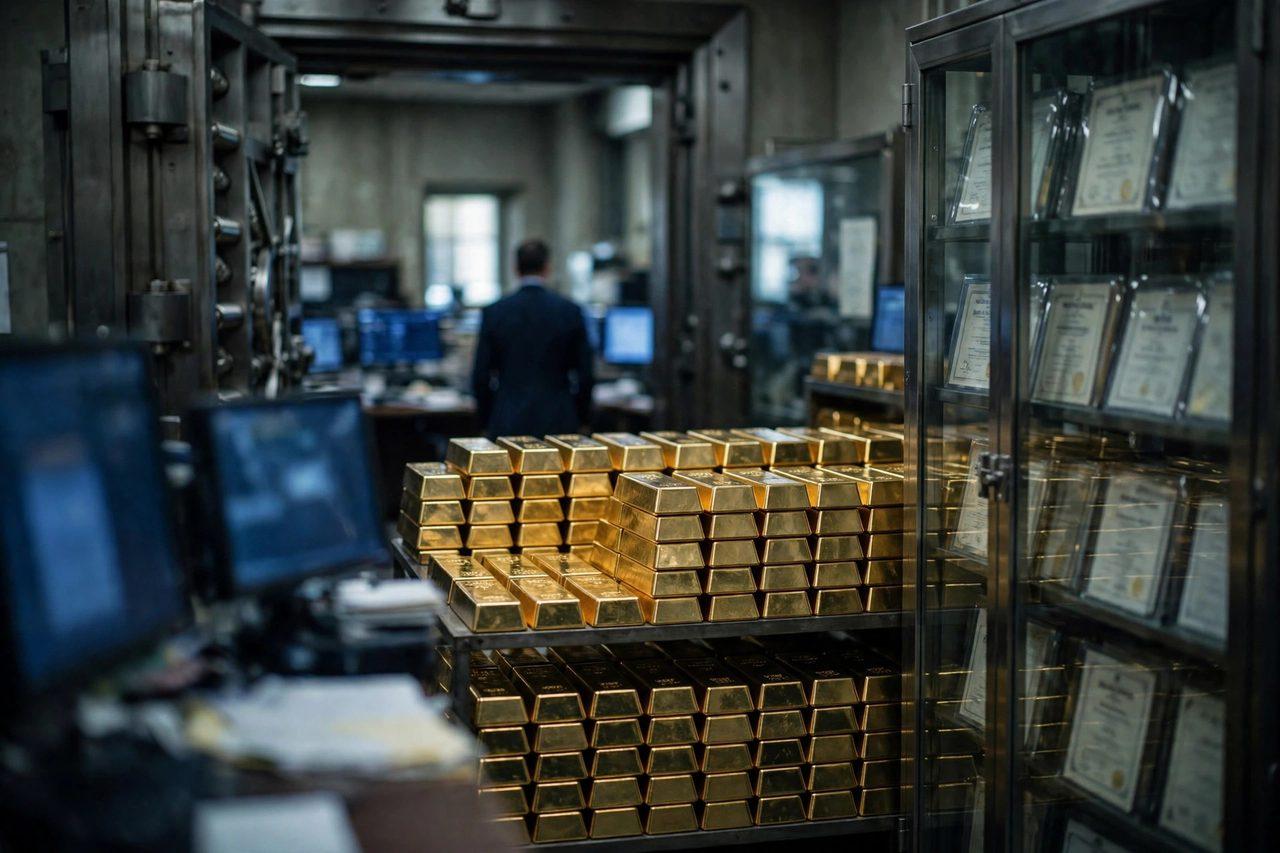
- Custody the asset. The bond, gold or property stays with a regulated custodian or fund administrator. It never leaves the vault; only the record of ownership moves.
- Issue the token. A smart contract mints tokens representing fractional claims, often with built-in rules — who can hold them, whether they can be frozen, and how redemptions work.
- Verify the holders. KYC and eligibility checks run at the wallet level, so only approved investors can receive or trade the token.
- Trade and redeem. Holders can transfer tokens around the clock, and redeem them through the issuer for the underlying value under the wrapper's terms.
Which assets are being tokenized first
Five categories account for nearly all on-chain real-world value today: U.S. Treasuries and money-market funds, private credit, equities, commodities such as gold, and real estate. Treasuries led because they are simple, yield-bearing and easy to custody — tokenized Treasury products passed $15 billion in 2026 trackers. Equities are arriving through products like the tokenized stock line-ups covered in our report on Kraken's parent putting 200+ UK and EU stocks on-chain, where holders get price exposure while the shares themselves stay with a custodian.

What tokenization genuinely improves — and what it does not
Three improvements are real. Settlement can happen in seconds, 24/7, instead of waiting for clearing-house hours. Fractional access lets a small investor hold a slice of an asset that once required a large minimum ticket. Programmability means rules — eligibility, transfers, distributions — can be enforced by the contract itself rather than checked by hand.
The limits are just as real. Tokenization does not remove KYC, accreditation gates or local securities law; a tokenized share is still a security. It does not make an illiquid building liquid by magic — someone still has to want the other side of the trade. And the claim is only as strong as the custodian and the legal documents behind it, which is why research houses such as Kaiko, in its tokenization deep dive, stress that the off-chain legal structure does the heavy lifting. Market participants debate these trade-offs daily in the Zimbuck Market News group.
Frequently asked questions
Is a tokenized asset the same as a cryptocurrency? No. A native cryptocurrency like Bitcoin carries no claim on anything off-chain. A tokenized asset is a claim on a specific off-chain asset, created by an identifiable issuer under legal documents.
Do I own the actual building or bond if I hold the token? You own the claim defined in the wrapper — typically a right to the asset's value and income through the issuing vehicle, not direct title to the physical asset.
Why are Treasuries the biggest category? They combine steady yield, simple custody and clear regulation, so issuers could launch at scale before tackling harder assets like property.
What is the biggest risk? Counterparty and legal risk: if the custodian or issuer fails, the token's value depends on the documents and the jurisdiction, not on the blockchain.
Tokenization will not replace traditional finance overnight, but the register is quietly moving on-chain, one fund and one bond at a time. To follow the market as it grows — and to discuss what it means with other traders and investors — join Zimbuck, the finance social platform for traders and investors. This article is market news and general information only, not financial advice.