

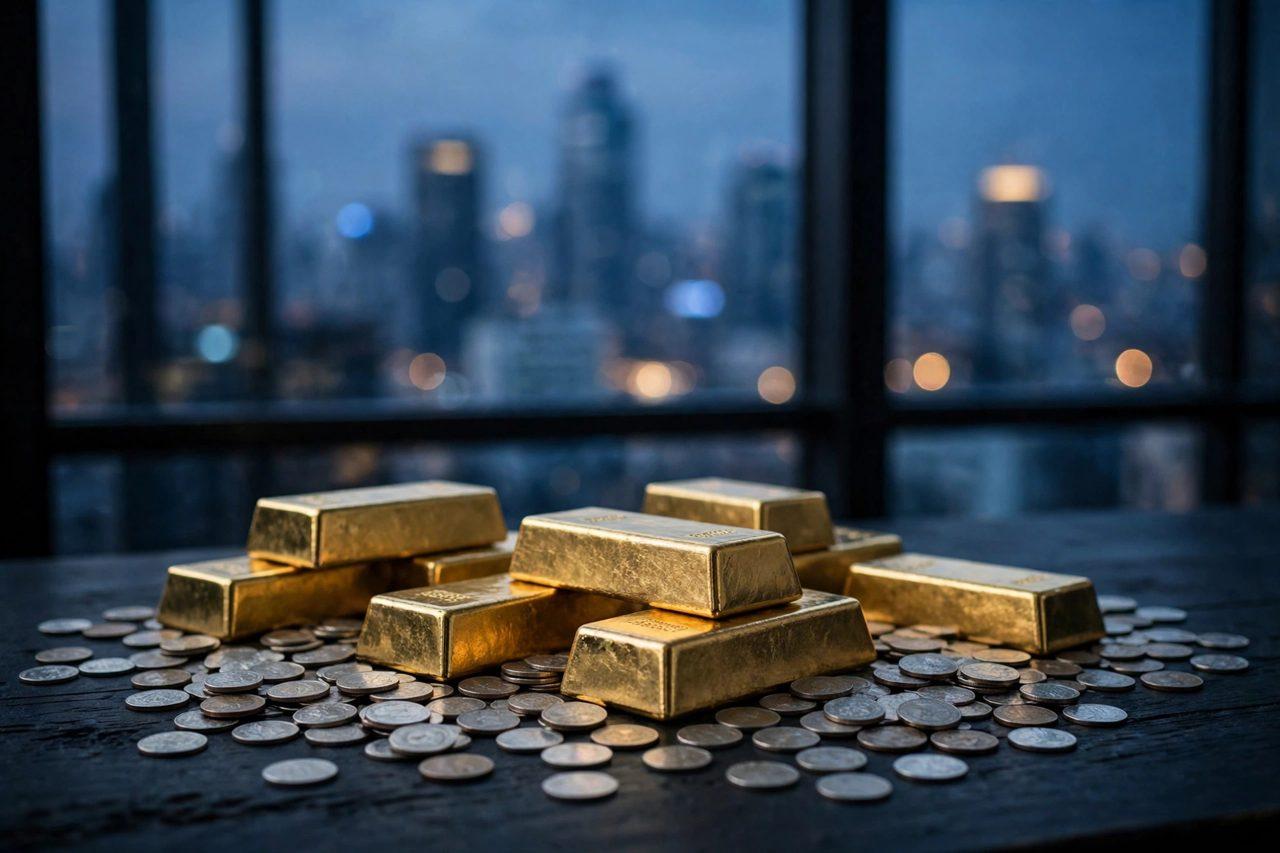

Gold Falls Below $4,000 as Commerzbank Warns of a Second Wave of Decline
Gold has lost its grip on the $4,000 level — down nearly 7%, about $290, since Tuesday — and Commerzbank now warns the metal may face a "second wave of decline" as rising bond yields and a stronger U.S. dollar keep pressure on precious metals. On Friday the November Comex gold contract settled almost flat, up less than 0.1% at $3,879.70 per ounce — the second-lowest settlement of the year — while silver fell 1.9% to $49.031, its lowest settlement since November 7 last year.
For the full week, gold fell 4.5% and silver 5.3%. Spot references on Sunday morning still showed gold below the threshold at about $3,887.60 and silver near $48.65, with WTI crude at $88.56 and Brent at $95.84. The moves are being tracked on the Zimbuck News page, and metals traders are comparing levels in the Zimbuck Market News group.
Why Commerzbank Turned More Cautious
Commerzbank commodities analyst Carsten Fritsch argued in the bank's latest note that the technical picture has been damaged by the break below $4,000. Persistently high inflation pressure, combined with Federal Reserve officials signalling a possible 50 basis point rate hike next month, is reinforcing a hawkish bias across markets — the same repricing that has hit crypto and growth stocks this month. Gold pays no yield, so when bond yields rise and the dollar firms, the opportunity cost of holding it climbs and momentum sellers tend to follow the break of a round number like $4,000. The bank's warning was reported by Longbridge, citing Zhitong Finance's coverage of the Commerzbank note.
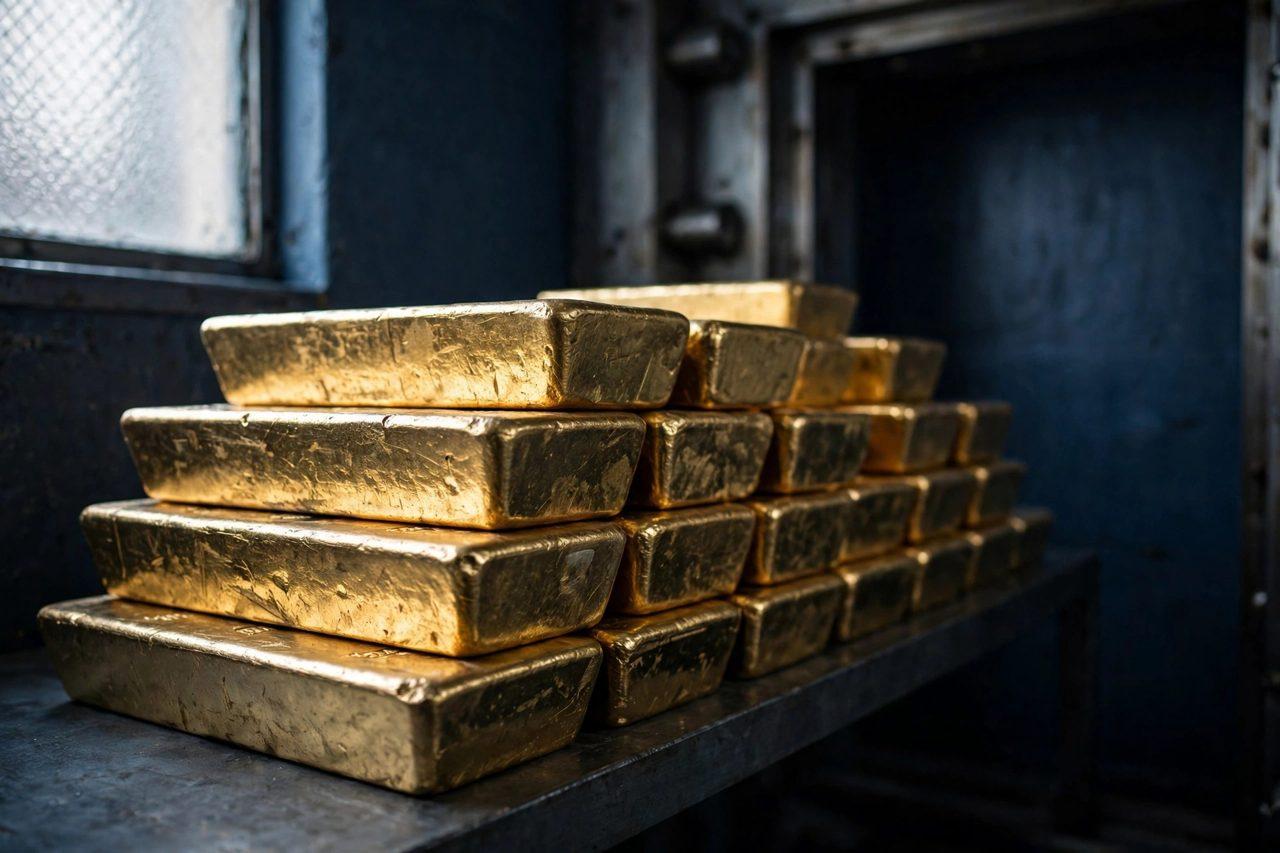
The Week in Numbers
- Gold: down nearly 7% (about $290) since Tuesday; -4.5% for the week
- Friday Comex settlement: $3,879.70/oz, up less than 0.1% on the day
- Silver: -1.9% Friday to $49.031; -5.3% for the week
- Sunday spot references: gold about $3,887.60, silver about $48.65
- Oil held firm by comparison: WTI $88.56, Brent $95.84
Friday's steadier close owed something to softer data: lower-than-expected U.S. Producer Price Index figures for October and stabilising oil prices eased the inflation concerns that had driven the previous session's selling. That mix — a hawkish Fed narrative on one side, occasional soft data on the other — is why the metals market has turned choppy rather than one-directional. It is the same macro tug-of-war described in our explainer on what the PMI is and how purchasing managers' surveys move markets: growth and inflation surveys now land on desks that are already positioned for a possible December hike.
What Metals Traders Are Watching Next
The first question is whether gold can reclaim $4,000 quickly. A fast recovery would suggest the break was a stop-driven flush; a week spent below it would confirm Commerzbank's "second wave" framing and invite funds to test lower levels. Silver, which fell harder on Friday and is sitting at a one-year settlement low, is the higher-beta tell: if silver stabilises first, the complex may be finding a floor. Oil is the other half of the inflation story — Brent holding near $96 keeps energy costs elevated, which feeds the very inflation pressure the Fed is citing. A sharp oil drop would relieve that pressure; a push above $100 would intensify it.

Frequently Asked Questions
Why does a stronger dollar hurt gold? Gold is priced in dollars globally. When the dollar rises, gold becomes more expensive for buyers in other currencies, which softens demand at the margin.
What did Commerzbank actually say? That gold's failure to hold $4,000 has damaged short-term momentum, and that rising yields plus a firm dollar leave it vulnerable to a second wave of decline.
Is silver falling for the same reason? Largely, yes — plus its industrial-demand side makes it more volatile. Silver fell 1.9% on Friday to $49.031, a settlement low not seen since November 7 last year.
What could reverse the slide? Softer inflation data, a dovish shift in Fed communication, or a weaker dollar — Friday's flat close after the PPI release showed how quickly sentiment can steady on one data point.
This article is market news and general information only, not financial advice. For daily metals, energy and macro discussion with other traders, join Zimbuck and follow the markets as a community.





