English
 Arabic
 French
 Spanish
 Portuguese
 Deutsch
 Turkish
 Dutch
Dutch
 Italiano
 Russian
 Romaian
 Portuguese (Brazil)
 Greek
Greek
Cryo Constellation Banner – Dual Legends Return Guide
Games |
2026-03-18 05:21:49
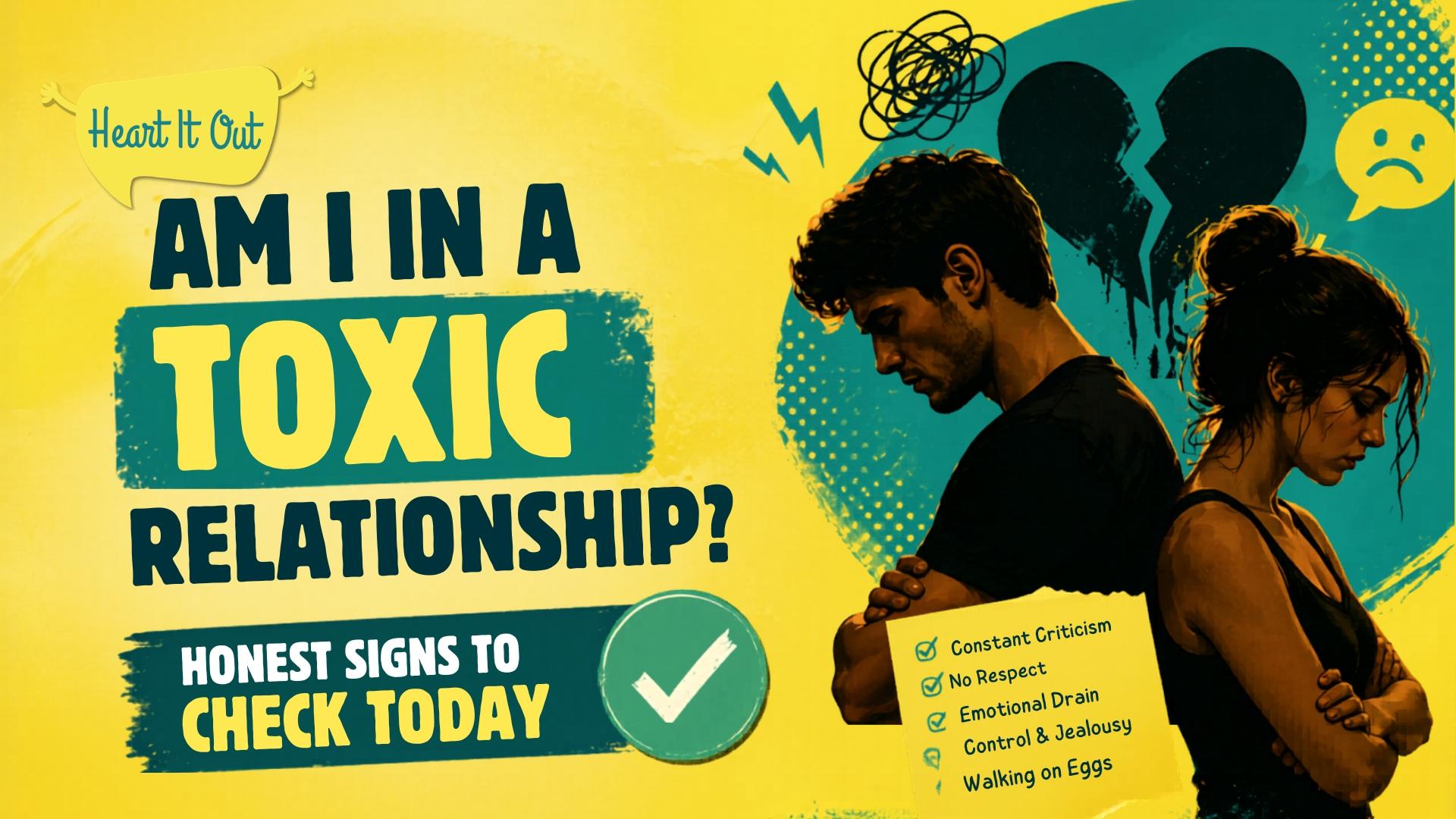
You don’t always need a dramatic moment to realize something isn’t right.
Sometimes, a toxic relationship doesn’t look extreme from the outside—it feels confusing, exhausting, and quietly draining from the inside.
You might find yourself asking:
“Am I overreacting?”
“Is this normal in relationships?”
“Why do I feel worse instead of better with this person?”
If these questions sound familiar, this guide will help you understand what’s really happening—clearly, honestly, and without judgment.
A lot of people misunderstand this.
Toxic doesn’t mean just fighting or disagreements.
Every relationship has conflict. But toxicity is different.
👉 Toxic means in relationship = a pattern where your emotional, mental, or even physical well-being is consistently harmed.
It’s not about one bad day.
It’s about how you feel most of the time.
You feel respected
You feel safe expressing yourself
You grow as a person
You feel anxious, drained, or controlled
You doubt yourself constantly
You feel stuck or emotionally exhausted
These are not random checklists. These are patterns seen in real-life emotional dynamics.
You spend more time overthinking than enjoying the relationship.
Conversations leave you exhausted
You feel emotionally “heavy” after interactions
Your confidence slowly disappears.
You question your decisions
You feel like you're “always wrong”
This is often linked to subtle manipulation like gaslighting.
You avoid speaking honestly because:
It may lead to arguments
You fear their reaction
Healthy communication feels safe—even during disagreements.
You constantly monitor your behavior to avoid conflict.
Overthinking what to say
Adjusting your personality to keep peace
It may look like love, but it feels restricting.
“I’m just protecting you”
“I know what’s best for you”
Over time, your independence fades.
You feel unheard, unseen, and unimportant.
Your feelings are dismissed
Your needs feel “too much”
Even when you're hurt, you end up apologizing.
They twist situations
You feel responsible for everything
Toxic dynamics often separate you from others.
Less contact with friends/family
Feeling emotionally alone even in the relationship
Extreme highs and lows create emotional confusion.
Intense love → sudden conflict → temporary peace
This cycle keeps you emotionally attached
You hold onto potential, not reality.
“They’ll change someday”
“Things will get better”
Hope keeps you stuck longer than necessary.
Not all toxic relationships are romantic.
A toxic family dynamic can feel even harder to recognize because it's normalized over time.
Constant criticism or comparison
Emotional neglect or invalidation
Lack of boundaries
Conditional love
You may feel guilty setting boundaries—but boundaries are not disrespect.
They are protection.
This is where most people struggle.
It’s not just about logic—it’s emotional.
Emotional attachment
Fear of being alone
Hope for change
Shared history
Social pressure
You may know something is wrong but still feel unable to leave. That’s normal.
If you’re starting to recognize these signs, don’t panic. Focus on clarity, not immediate decisions.
Start noticing repeated behavior instead of isolated incidents.
Ask:
How do I feel in this relationship?
Am I becoming a better or worse version of myself?
You don’t need to make big moves immediately.
Say “no” without over-explaining
Express one honest feeling
Isolation makes confusion worse.
Friend
Family member
Professional support
This is where guidance becomes powerful.
A therapist for toxic relationships can help you:
Understand patterns clearly
Rebuild self-worth
Decide your next steps safely
Not all relationships need to end—but they do need honesty and effort from both sides.
Both partners are willing to change
Communication still exists
There is no abuse or safety risk
Healthy communication
Emotional awareness
Breaking harmful patterns
If you’re based in India, many people now explore couples therapy Bangalore options due to increasing awareness and accessibility of mental health support.
This is difficult—but important.
Consider leaving if:
Your mental health is consistently declining
There is manipulation or emotional abuse
Your boundaries are repeatedly ignored
You feel unsafe (emotionally or physically)
Leaving isn’t failure.
It’s choosing your well-being.
The biggest mistake people make is waiting too long for clarity.
You don’t need proof.
You need awareness.
If a relationship constantly makes you feel small, confused, or emotionally drained—it’s already telling you something important.
Look at patterns, not isolated incidents. If you consistently feel anxious, unheard, or drained, it may be a toxic relationship.
Yes—but only if both people acknowledge the issue and actively work on change, often with counseling for toxic relationships.
No. Emotional attachment and hope are powerful. What matters is what you choose moving forward.
Not always—but a therapist for toxic relationships can provide clarity, emotional support, and a structured path forward.
A rough phase is temporary and improves with effort. Toxicity is a repeated pattern that harms your well-being.
After going through research, real-life experiences, and understanding how relationships affect mental health—it becomes clear that clarity is the hardest part, not action.
Many people delay seeking help because they think they should “figure it out themselves.”
But sometimes, having the right guidance changes everything.
If you're someone trying to understand your situation better, platforms like Heart It Out are often mentioned for their grounded, practical approach toward therapy and emotional well-being. Not because they promise quick fixes—but because they focus on real conversations, which is what most people actually need in situations like this.
If you’re questioning it, don’t ignore it.
Clarity is the first step toward change.