English
 Arabic
 French
 Spanish
 Portuguese
 Deutsch
 Turkish
 Dutch
Dutch
 Italiano
 Russian
 Romaian
 Portuguese (Brazil)
 Greek
Greek

Professional Cook For Home In Chandigarh For Daily Meals
Health |
2026-07-17 09:46:39
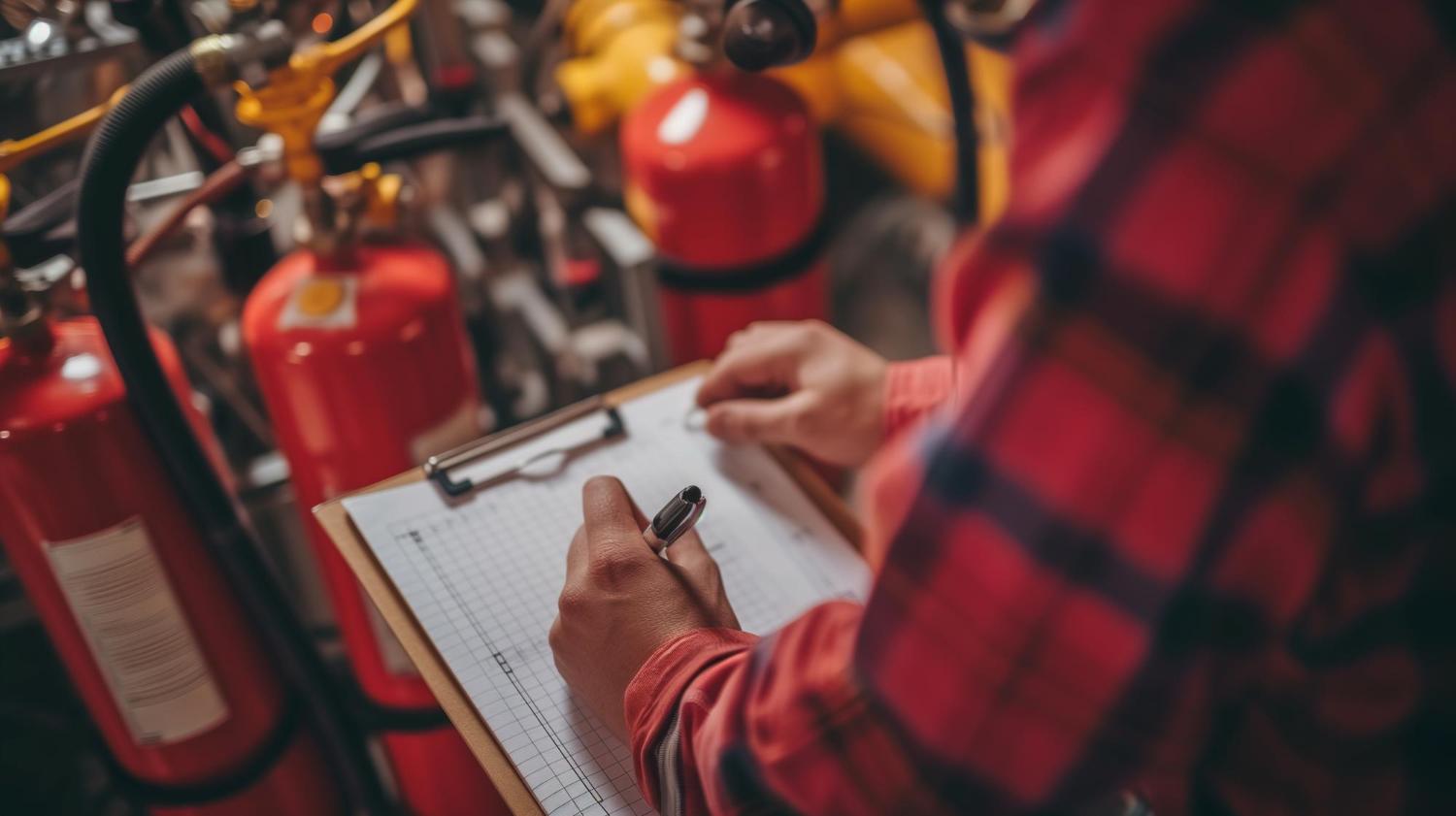
Industrial facilities handle large volumes of machinery, electrical equipment, fuels, chemicals, solvents, lubricants, and other combustible materials every day. While these operations are essential for production, they also create significant fire risks. A small ignition source can quickly escalate into a major fire, leading to injuries, equipment damage, environmental impact, and costly business interruptions.
Traditional water-based fire protection systems are highly effective for many types of fires, but they are not always suitable for flammable liquid fires. In these situations, foam fire suppression systems provide a faster and more effective solution by controlling flames, preventing re-ignition, and minimizing damage.
This guide explains how foam fire suppression systems work, where they are used, their advantages, components, maintenance requirements, and why they remain one of the most reliable fire protection solutions for industrial environments.
A foam fire suppression system is an automatic or manual fire protection system designed to extinguish fires involving flammable and combustible liquids. Instead of relying solely on water, the system mixes water with a specially formulated foam concentrate to create a blanket of foam.
Once discharged, the foam spreads across the surface of the burning liquid, cutting off the oxygen supply, cooling the fuel, and suppressing flammable vapors. This process rapidly controls the fire while significantly reducing the chance of re-ignition.
Foam systems are commonly installed in facilities where liquid fuels or hazardous chemicals are stored, processed, or transported.
Many industrial fires involve petroleum products, solvents, oils, alcohols, paints, or chemicals that can float on water. Spraying water directly onto these fires may spread the burning liquid rather than extinguish it.
Foam suppression systems overcome this challenge by creating a stable layer over the fuel surface.
Industries benefit because these systems:
For facilities handling hazardous materials, foam systems are often an essential part of the overall fire protection strategy.
The operating principle is relatively straightforward.
When a fire is detected, the suppression system activates either automatically through fire detection equipment or manually by trained personnel.
The process typically includes:
The entire process usually occurs within minutes, helping prevent small fires from becoming major disasters.
An industrial foam suppression system consists of several integrated components.
Foam Concentrate Tank
Stores the foam concentrate until needed during an emergency.
Proportioning Equipment
This equipment mixes foam concentrate with water in the correct ratio to produce effective firefighting foam.
Water Supply
The system relies on an adequate water source, which may include dedicated tanks, municipal supplies, or fire pumps.
Foam Generators and Discharge Devices
Foam is distributed through:
The choice depends on the facility and fire risk.
Detection and Control Panel
The control system receives signals from fire detectors and activates the suppression system automatically when required.
Different industrial applications require different foam formulations.
AFFF creates a thin film that spreads quickly across hydrocarbon fuel fires.
Common applications include:
Designed for fires involving alcohols and polar solvents.
Frequently used in:
Produces large volumes of lightweight foam for enclosed spaces.
Suitable for:
Provides a balance between coverage and drainage.
Used in:
Foam systems protect numerous industrial environments.
Common applications include:
Oil and Gas Facilities
Processing plants and storage terminals contain large quantities of flammable hydrocarbons that require specialized fire protection.
Chemical Manufacturing Plants
Chemical processing often involves volatile liquids that demand rapid fire suppression.
Fuel Storage Depots
Fuel tanks, loading bays, and transfer stations depend on foam systems to control spill fires.
Aircraft Hangars
Aviation fuel presents unique fire hazards where foam suppression provides rapid protection.
Power Generation Plants
Generators, transformers, and fuel storage areas benefit from dedicated foam systems.
Marine and Offshore Facilities
Ships, ports, offshore platforms, and marine terminals frequently install foam suppression for fuel storage and handling areas.
Warehouses
Distribution centers storing flammable liquids often require foam protection instead of conventional sprinklers.
Industrial organizations choose foam systems because they provide several operational advantages.
Rapid Fire Control
Foam spreads quickly over burning liquids, suppressing flames within a short time.
Prevents Re-Ignition
Unlike water alone, foam seals the fuel surface, preventing flammable vapors from escaping.
Reduces Water Damage
Because foam suppresses fires efficiently, less water is typically required compared to conventional firefighting methods.
Protects Valuable Assets
Industrial machinery, production lines, and storage facilities experience less damage when fires are controlled quickly.
Improves Worker Safety
Fast suppression allows safer evacuation and reduces employee exposure to hazardous smoke and heat.
Supports Business Continuity
Reducing fire damage helps organizations resume operations sooner after an incident.
Installing a foam suppression system requires careful planning.
Important factors include:
Every industrial facility has unique fire risks, making professional system design essential.
Even the most advanced suppression system requires regular maintenance.
Routine inspections should include:
Scheduled maintenance ensures the system performs correctly during emergencies.
Although foam suppression systems are highly effective, organizations should be aware of several challenges.
These include:
Regular audits and maintenance help overcome these issues.
Fire protection technology continues to evolve.
Modern innovations include:
These technologies improve system reliability while supporting environmental sustainability.
Industrial facilities should ensure their foam fire suppression systems comply with relevant national and international fire safety standards. Compliance helps improve system reliability, supports insurance requirements, and enhances overall workplace safety.
Organizations should also conduct regular inspections, performance testing, and employee training to ensure the system remains operational throughout its lifecycle.
The fire protection industry continues to introduce advanced suppression systems, intelligent detection solutions, and integrated safety technologies. Professionals looking to evaluate the latest innovations can explore Fire & Security India Expo (FSIE), where leading manufacturers and solution providers showcase cutting-edge fire suppression systems, fire detection technologies, emergency response solutions, and industrial safety products. The event offers valuable opportunities to compare solutions, learn from industry experts, and discover technologies designed for modern industrial facilities.
Selecting the right foam suppression system depends on multiple factors, including the type of combustible materials present, the facility layout, operational risks, and applicable regulations. A thorough fire risk assessment helps determine the most appropriate foam type, discharge method, and system configuration for long-term protection.
Working with experienced fire protection professionals ensures that the system is designed, installed, and maintained according to industry best practices.
Foam fire suppression systems play a vital role in protecting industrial facilities where flammable liquids and hazardous materials are present. Their ability to rapidly suppress fires, prevent re-ignition, and minimize property damage makes them one of the most effective fire protection solutions for high-risk environments.
By investing in a properly designed and maintained foam suppression system, organizations can enhance workplace safety, safeguard critical assets, maintain regulatory compliance, and reduce the impact of fire-related incidents. As industrial fire protection technology continues to evolve, staying informed about the latest innovations and best practices will help businesses build safer and more resilient operations.
For professionals seeking the latest developments in fire suppression systems, fire detection technologies, and integrated safety solutions, Fire & Security India Expo (FSIE) provides an excellent platform to connect with industry leaders, discover new products, and stay ahead of emerging trends in fire and security.