English
 Arabic
 French
 Spanish
 Portuguese
 Deutsch
 Turkish
 Dutch
Dutch
 Italiano
 Russian
 Romaian
 Portuguese (Brazil)
 Greek
Greek

ATX Power Supply: The Industry Standard for Desktop Computing
Other |
2026-07-18 14:10:36
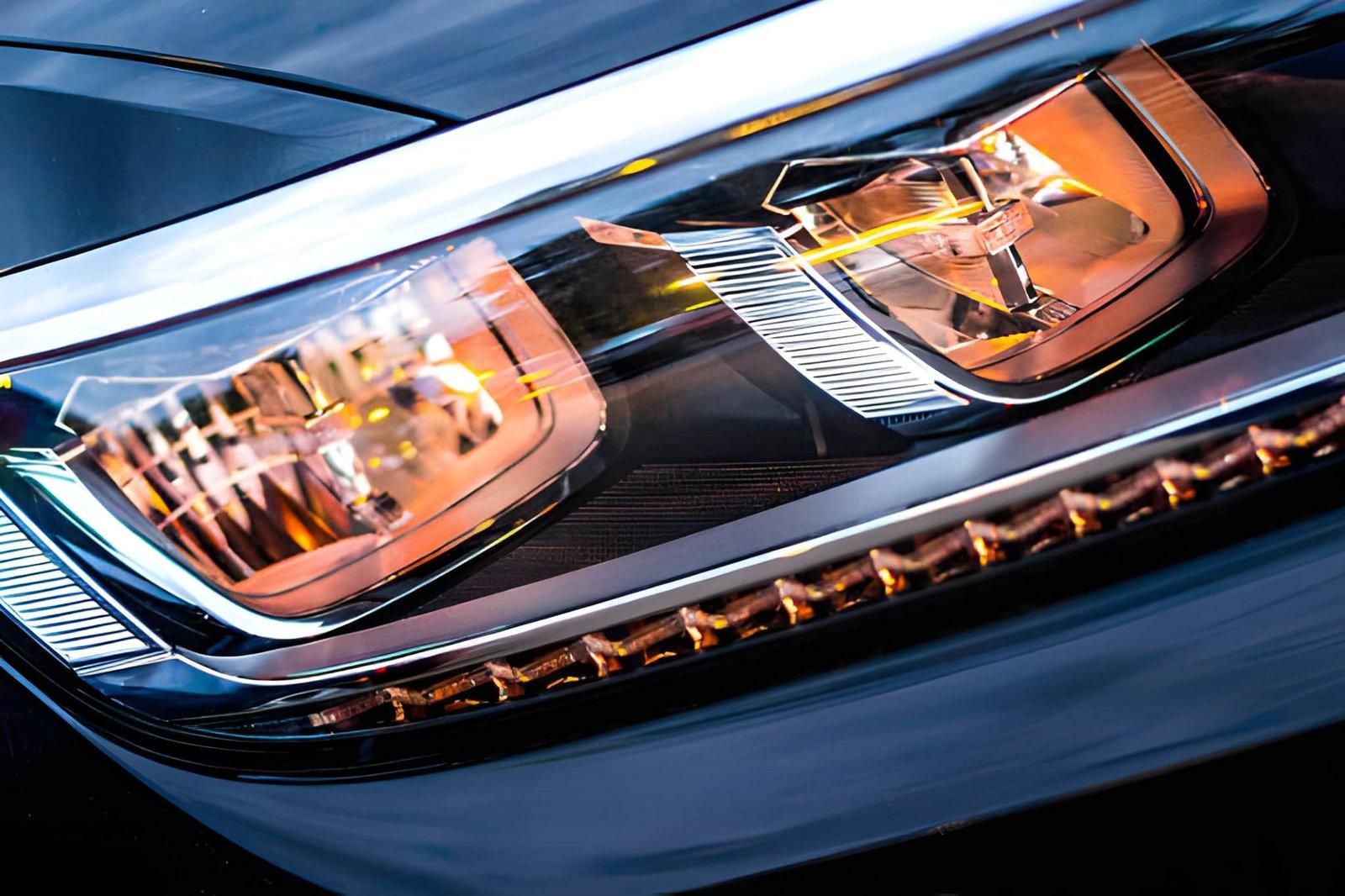
Night driving becomes much easier when your vehicle has reliable and powerful headlights. Whether you drive on highways, rural roads, or areas with limited street lighting, having the right headlight technology can significantly improve visibility and confidence behind the wheel.
Both technologies offer major improvements over traditional halogen bulbs, but they work differently and provide different advantages.
Many drivers ask:
“Are HID headlights better than LED?”
“Which one is brighter?”
“Which headlights should I install on my car?”
The answer depends on your driving needs, vehicle setup, and what you value most: maximum light output, efficiency, lifespan, or appearance.
For a detailed comparison between these two technologies, you can also read:
Related Guide: HID vs LED Headlights: Which Is Better for Your Car?
HID headlights, also known as Xenon headlights, have been popular in automotive lighting for many years.
Unlike traditional halogen bulbs that use a heated filament, HID bulbs create light by sending an electrical charge through xenon gas. This produces a powerful arc of light that delivers strong illumination and excellent road coverage.
HID systems usually include:
The ballast is especially important because it controls the high voltage required to start and maintain the HID light output.
One of the biggest reasons drivers choose HID headlights is their powerful illumination.
HID bulbs are known for:
For drivers who frequently travel at night, HID headlights can provide a noticeable improvement compared with older halogen lighting systems.
HID technology is especially appreciated by drivers who need better visibility on open roads.
The intense beam can help illuminate:
This makes HID a popular choice among automotive enthusiasts and drivers who prioritize distance lighting.
HID bulbs are available in different color temperatures, allowing drivers to choose between performance and appearance.
Common HID colors include:
Choosing the right color temperature can improve both the look and usability of your headlights.
LED headlights use semiconductor technology to produce light.
Instead of using gas like HID systems, LEDs create illumination through electronic components that convert electrical energy directly into light.
LED headlights have become increasingly popular because of their compact design, efficiency, and long service life.
One major advantage of LED headlights is that they reach full brightness immediately.
Unlike HID bulbs, which require a short warm-up period, LEDs turn on instantly.
This is useful for:
LED headlights generally use less power compared with HID systems.
Lower energy consumption can help:
This efficiency is one reason many newer vehicles use LED lighting technology.
LED headlights are known for their durability and long operating life.
Quality LED systems can last significantly longer than traditional bulbs, reducing the need for frequent replacements.
| Feature | HID Headlights | LED Headlights |
|---|---|---|
| Brightness | Excellent light output | Excellent modern output |
| Startup Time | Requires warm-up | Instant brightness |
| Energy Use | Higher than LED | More efficient |
| Lifespan | Long-lasting | Usually longer |
| Installation | Requires ballast system | Often simpler |
| Color Options | Wide range | Wide range |
| Heat Management | Less complex | Requires proper cooling |
Brightness depends on the specific product, design, and installation.
A high-quality HID system can produce extremely powerful light output, especially for long-distance visibility. Modern LED systems can also provide impressive brightness while offering better efficiency.
However, brightness alone should not be the only factor.
A good headlight upgrade also depends on:
A poorly designed bright bulb can create glare instead of improving visibility.
The best choice depends on your driving habits.
HID headlights are a strong choice for drivers who spend a lot of time driving at night or on highways.
LED headlights are ideal for drivers who want efficiency, convenience, and newer lighting technology.
Many people focus only on buying the brightest bulb available. However, proper installation is just as important.
Common mistakes include:
Every vehicle requires a specific bulb size and compatible system.
Always confirm compatibility before purchasing.
A powerful bulb does not guarantee better visibility.
The headlight housing and reflector design play an important role in controlling light direction.
Cheap bulbs and poor-quality electronic components may result in:
Investing in reliable lighting components provides better long-term results.
If your vehicle already has HID headlights, upgrading to LED is not always necessary.
Consider switching if you want:
However, many drivers continue choosing HID because of its strong beam performance and proven reliability.
The right choice depends on your personal requirements.
Both HID and LED headlights offer major improvements over traditional halogen bulbs. There is no single winner because each technology has different strengths.
HID headlights are known for powerful illumination and long-range performance, while LED headlights provide efficiency, instant brightness, and modern convenience.
Before upgrading, consider your driving conditions, vehicle compatibility, and lighting goals.
The best headlight is not always the brightest one — it is the one that provides safe, comfortable, and reliable visibility for your driving needs.
For more automotive lighting guides, upgrade tips, and HID/LED solutions, visit the Underground Lighting Medium profile: