English
 Arabic
 French
 Spanish
 Portuguese
 Deutsch
 Turkish
 Dutch
Dutch
 Italiano
 Russian
 Romaian
 Portuguese (Brazil)
 Greek
Greek

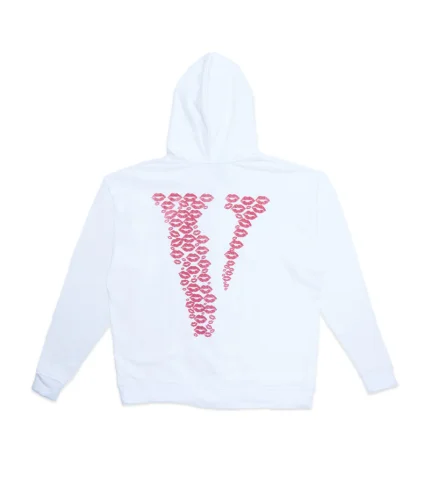
Vlone: The Streetwear Brand Defining Urban Fashion
Shopping |
2026-07-21 10:15:02
Private label dropshipping is an e-commerce business model that combines the flexibility of dropshipping with the branding advantages of private labeling. It allows entrepreneurs to sell products under their own brand name while working with suppliers that handle product sourcing, manufacturing, packaging, or fulfillment.
In traditional dropshipping, many sellers may offer the same products with little opportunity to create a unique identity. Private label dropshipping provides a different approach by allowing businesses to focus on building a recognizable brand and creating a better customer experience.
For entrepreneurs interested in starting an online business, private label dropshipping can be an attractive option. However, success depends on choosing the right products, finding reliable suppliers, developing strong branding, and creating an effective marketing strategy.
Private label dropshipping is a business model where a seller markets products under their own brand while a third-party supplier manages some of the product and fulfillment process.
Depending on the supplier, private label services may include:
The seller usually focuses on building the online store, marketing products, managing customer service, and growing the brand.
When a customer places an order, the supplier fulfills and ships the product according to the agreed arrangement.
The basic process is:
Choose a Niche → Research Products → Find a Supplier → Create Your Brand → Build Your Store → Market Products → Receive Orders → Supplier Fulfills Orders
This allows entrepreneurs to concentrate on growing their businesses without necessarily managing a traditional warehouse.
The main difference between private label dropshipping and traditional dropshipping is branding.
With regular dropshipping, sellers often promote existing products that are available from many suppliers and stores. The seller usually has limited control over the product's branding and packaging.
Private label dropshipping focuses on creating a unique identity around the product. Depending on the supplier, you may be able to customize the packaging, logo, labels, or other elements.
Traditional dropshipping can be useful for testing products quickly, while private label dropshipping is more focused on creating a long-term brand.
One of the biggest advantages of private label dropshipping is the ability to create a recognizable brand. Your logo, packaging, website, product photography, and customer service can all work together to create a consistent experience.
A strong brand can help you stand out and make your business more memorable.
Selling generic products can make it difficult to compete when many stores offer identical items.
Private labeling gives you opportunities to differentiate your business through product presentation, packaging, design, quality, and brand positioning.
Depending on your supplier agreement, dropshipping can reduce the need to manage your own warehouse or hold large quantities of inventory.
However, private label services may require minimum order quantities, customization fees, or other costs. Always confirm the supplier's requirements before launching.
Customers who have a positive experience with your brand may be more likely to return.
Consistent product quality, professional packaging, fast communication, and excellent customer service can help create long-term customer relationships.
Start by choosing a specific niche with a clear target audience.
Potential categories include:
Choose a niche that has customer demand and provides opportunities for your brand to stand apart from competitors.
Before choosing a product, research the market carefully.
Analyze search trends, competitor websites, marketplace listings, product prices, and customer reviews.
Negative reviews can be particularly valuable because they may reveal problems with existing products. These problems can help you identify opportunities to improve your product or customer experience.
Your supplier plays an important role in your brand's reputation.
When evaluating suppliers, consider:
Ask detailed questions before starting a business relationship. Make sure the supplier can provide the exact private label services you need.
Whenever possible, order samples before launching your product.
Test the product yourself and evaluate its quality, appearance, packaging, durability, and shipping condition.
A sample can help you identify problems before your customers experience them.
Your brand is more than a logo. Create a complete identity that includes your brand name, logo, colors, packaging, product photography, website, and messaging.
Think about your target customer and what makes your brand different.
A clear brand identity can help you create a consistent experience across your website, social media, packaging, and marketing campaigns.
Create a professional online store that makes it easy for customers to understand your products.
Your product pages should include:
Avoid simply copying supplier descriptions. Write original content that explains how your products can help your target customers.
Marketing is essential for attracting customers.
You can promote your products through:
SEO can help your website attract organic traffic over time. Create helpful content around your niche and naturally introduce your products as potential solutions.
One of the biggest mistakes beginners make is choosing products without researching demand. Always study your target market before investing in branding and advertising.
Another mistake is choosing suppliers based only on price. Low prices are not helpful if product quality is poor or shipping is unreliable.
Skipping product samples can also create problems. Always test your products when possible.
Finally, avoid making unrealistic shipping promises. Give customers accurate delivery information and communicate clearly throughout the fulfillment process.
Private label dropshipping can be a valuable business model for entrepreneurs who want to build a long-term e-commerce brand.
It provides more branding opportunities than traditional dropshipping and allows businesses to focus on creating a unique identity.
However, private label dropshipping is not a guaranteed way to make money. Competition can be high, and success requires careful product research, reliable suppliers, effective branding, marketing, and excellent customer service.
The best approach is to focus on solving real customer problems and providing a high-quality experience.
Private label dropshipping combines the flexibility of dropshipping with the potential to build a unique e-commerce brand. By selecting the right niche, researching products, finding a reliable supplier, testing product quality, and creating strong branding, entrepreneurs can build a solid foundation for an online business.
The goal should not simply be to sell products. Focus on creating a brand that customers recognize, trust, and want to purchase from again.
With the right strategy, consistent marketing, and a strong focus on customer satisfaction, private label dropshipping can become an effective way to develop a scalable e-commerce business and build a brand with long-term potential.