


How Crypto Market Makers Work: Who Fills Your Order and Why the Spread Exists

Every time your market order fills instantly, someone was already waiting on the other side. That someone is usually a market maker — and understanding their business explains half of what you see on an exchange
Place a market buy for Bitcoin and it fills in a second, even at 3 a.m. That speed is not magic; it is a service provided by traders called market makers, who continuously post buy and sell orders on both sides of the order book. They are not betting on whether Bitcoin goes up or down. Their business is the gap between the two prices they quote: they buy at the bid, sell at the ask, and keep the difference, called the spread, as payment for standing ready to trade. When you understand that single incentive, the order book stops looking like random numbers and starts looking like a business — with costs, risks and limits that directly affect your trades.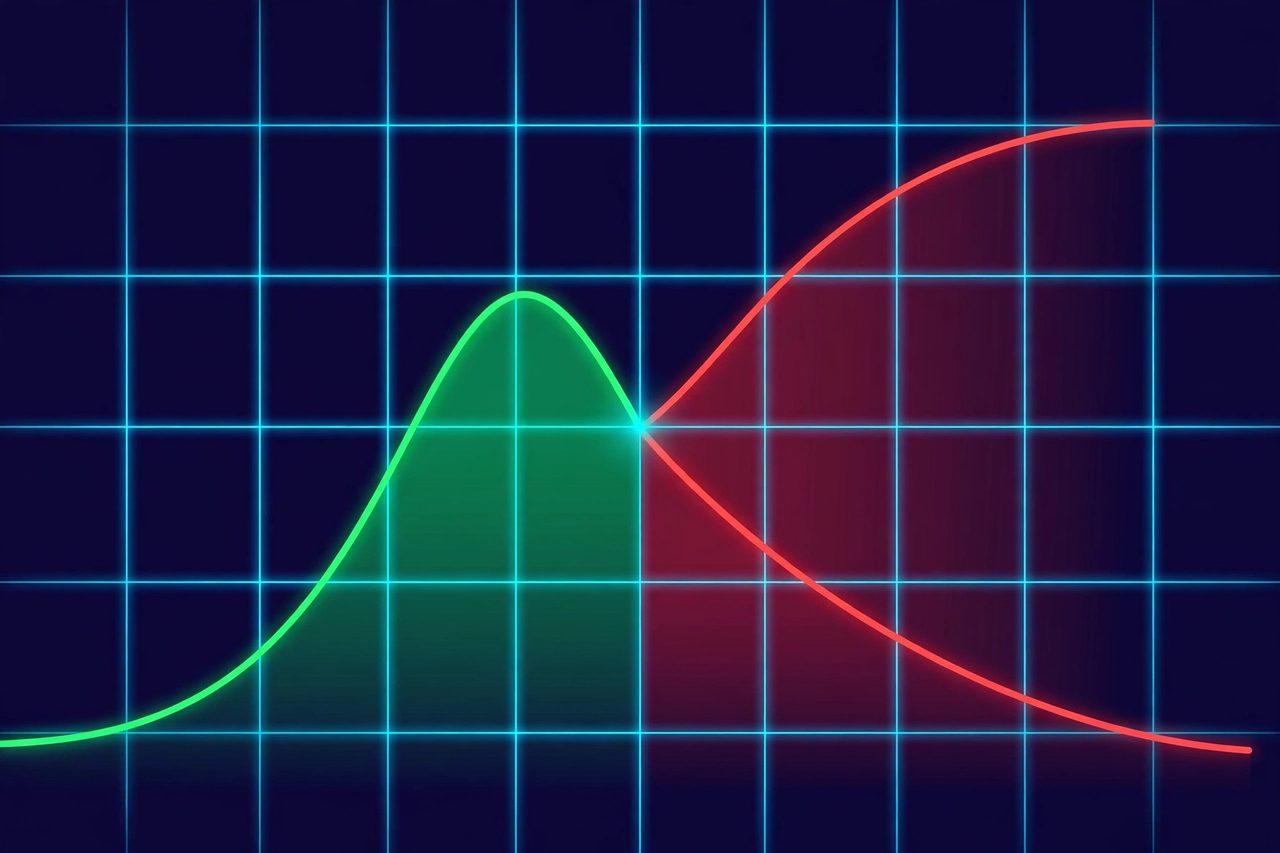
- What a market maker actually does
A market maker quotes two prices at once: a bid (what they will pay) and an ask (what they will accept). On a liquid pair like BTC/USDT, those quotes sit a few dollars apart on a $76,000 asset. The maker profits when both sides of their quote get hit — buy from a seller at the bid, sell to a buyer at the ask, pocket the spread, repeat thousands of times a day. They do not need the price to move; in fact, a calm, range-bound market is their ideal environment, because their inventory stays balanced. The risk comes when the price runs in one direction: a maker holding Bitcoin they just bought watches its value fall while they wait for a buyer, or a maker who just sold must buy back higher to restock. To manage that inventory risk, makers widen their spreads and shrink their quote sizes during volatility — which is exactly why spreads blow out during news events and crashes, precisely when impatient traders are most willing to pay for immediacy. For the wider picture of where exchange trading is heading, our coverage of the quarter's exchange volumes is here: https://zimbuck.com/blogs/852/Crypto-Exchange-Volumes-Fell-for-a-Third-Straight-Quarter-While — and the Zimbuck News page is here: https://zimbuck.com/pages/zimbucknews with discussion at https://zimbuck.com/groups/zimbuckmarketnews .
2. Why the spread is wide on some coins and tiny on others
The spread is the price of immediacy, and it reflects risk. On deep, high-volume pairs, many makers compete, quotes stack up, and the spread collapses to fractions of a percent. On a thin altcoin pair with few makers, the spread can run to several percent — meaning you start every trade several percent underwater before the price moves at all. Three things widen it: low volume (fewer competing quotes), high volatility (more inventory risk for the maker), and thin depth (a large order eats through the book and moves the price, called slippage). Automated market makers on decentralized exchanges work differently — they price from a liquidity pool formula rather than an order book — but the economics rhyme: liquidity providers earn fees for standing ready, and suffer when prices move against their pooled inventory. Either way, the lesson for ordinary traders is the same: check the spread and the depth near the price before trading, use limit orders on wide-spread or thin pairs, and size your order against the visible depth rather than the headline price.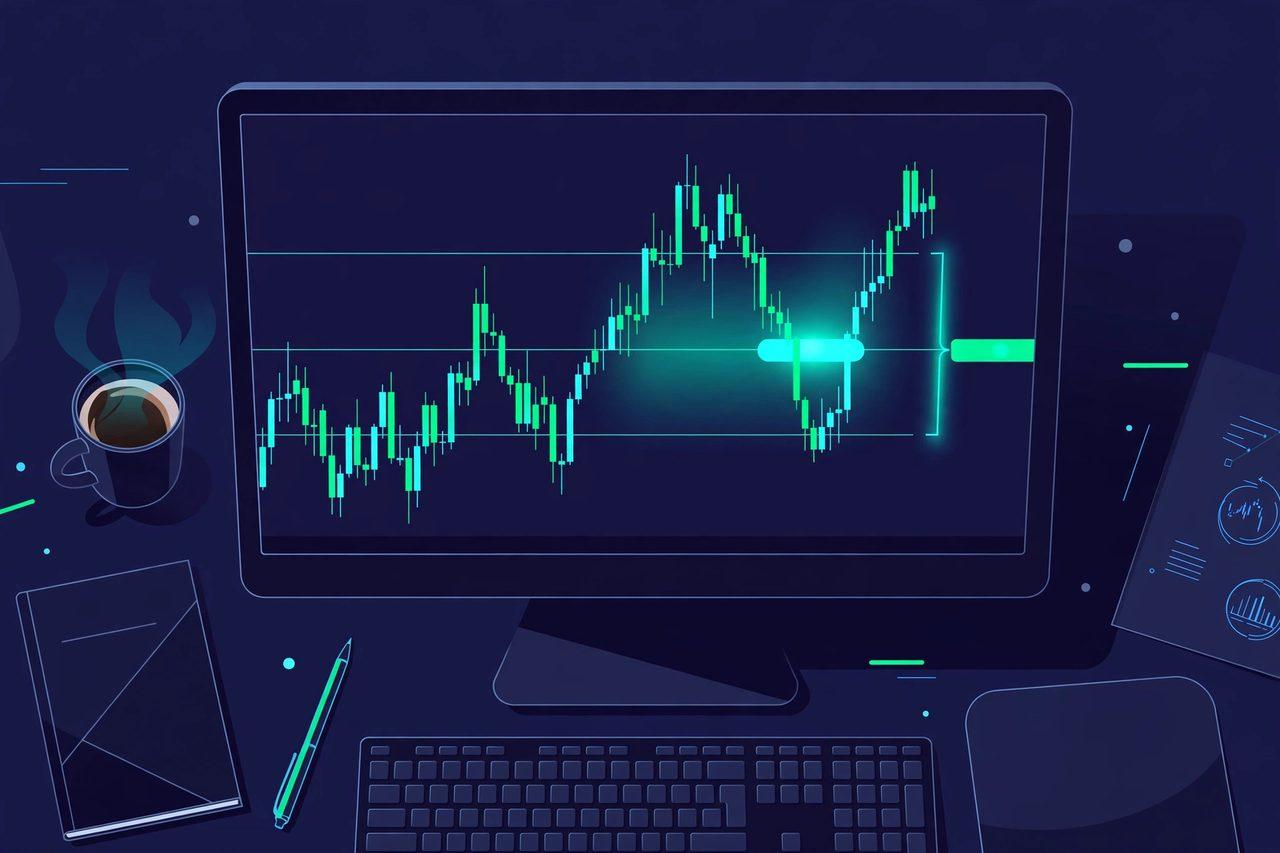
3. Five things to check before you trade, knowing makers are on the other side
Spread width: tight means cheap immediacy; wide means wait or use a limit order inside the spread.Depth near the price: thin books mean your own order moves the market — size down or split the order.Walls with scepticism: a huge bid or ask wall can be real supply or demand — or a bluff cancelled in seconds (spoofing). Treat walls as information, never as guarantees.Volatility timing: spreads widen in fast markets, so the cost of a market order is highest exactly when you most want speed.Maker versus taker fees: many exchanges charge makers less (or even pay rebates) and takers more — a limit order that rests on the book can be cheaper than a market order twice over.
FAQ
Are market makers manipulating the price? Legitimate market making is quoting both sides and earning the spread; it adds liquidity. Spoofing — posting orders with no intent to trade — is a different, abusive practice.Do market makers always profit? No — a fast one-way price move leaves them holding inventory that loses value; that is why they widen spreads in volatile markets.What is the difference between a market maker and an ordinary trader? A maker profits mainly from the spread by quoting continuously; an ordinary trader profits mainly from price direction.Should beginners use market or limit orders? Limit orders on wide-spread or thin pairs; market orders only on deep, tight-spread pairs where immediacy is cheap.How do decentralized AMMs differ? They replace the order book with a pooled pricing formula, but liquidity providers face the same trade-off: fees earned versus inventory risk when prices move.
This is general educational information only, not financial advice. Join Zimbuck at https://zimbuck.com to follow more crypto learning guides.




