

Blockchain Breakthrough at Devcon: Ethereum Rollups Trade on Mainnet Liquidity in a Single Transaction

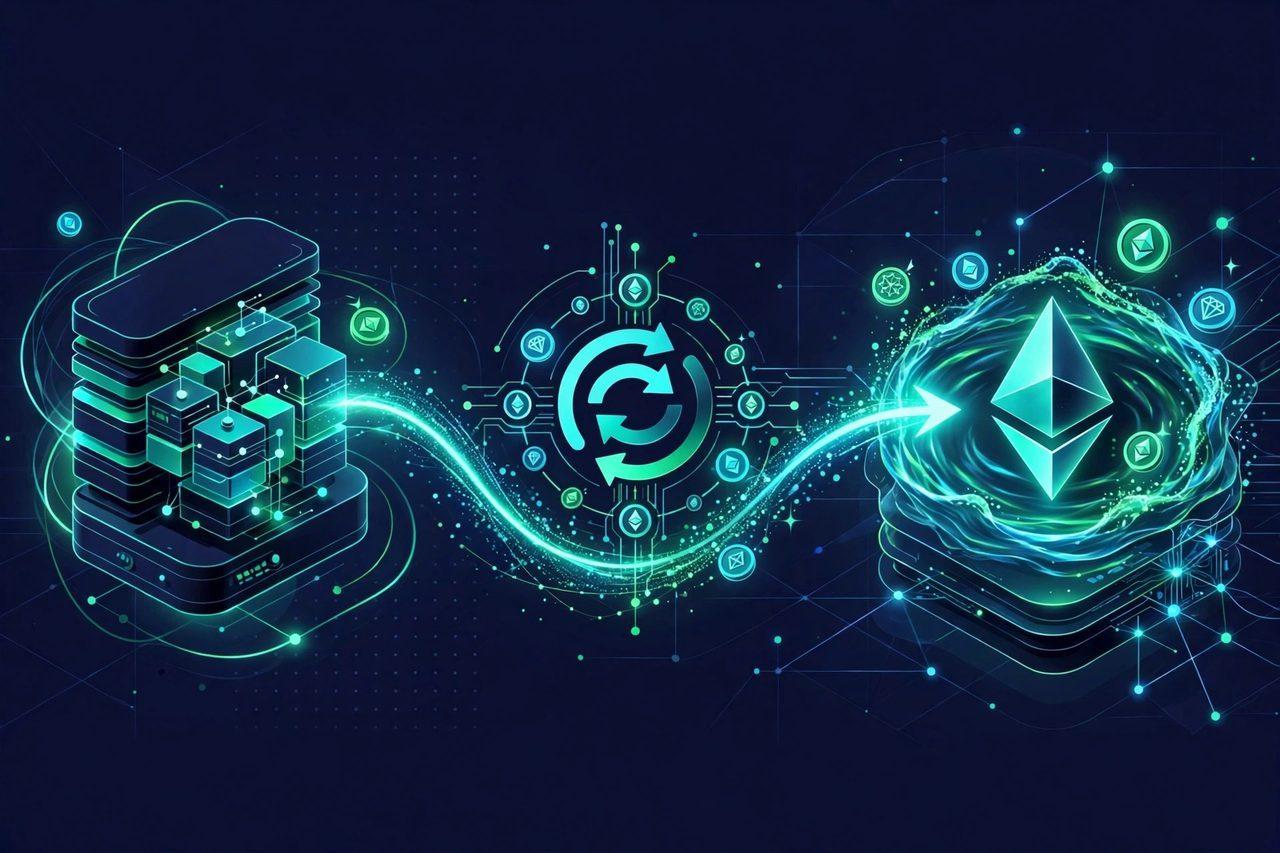
Ethereum took a visible step toward feeling like one chain again on Wednesday, November 4, 2026, as the Ethereum Economic Zone (EEZ) unveiled three demonstrations at Devcon in Mumbai showing applications on Ethereum rollups interacting directly with the mainnet within a single transaction. The headline demo used CoW Swap: a user on a rollup signed an order that was filled using liquidity available on Ethereum mainnet, with the resulting tokens delivered back to the rollup in the same transaction — no separate bridge transaction, no waiting period, and no additional signature. For anyone who has ever bridged funds to a layer-2 network, waited, and then bridged back, that is the friction this work is trying to erase. The EEZ team described the three demonstrations as firsts for what developers call synchronous composability between Ethereum's base layer and its rollups, with live demonstrations presented by developers Friederike Ernst and Eduardo Antuña Díez.
The reason this matters is that Ethereum's scaling plan deliberately split activity across rollups, but the user experience split with it. Normally, moving assets between Ethereum and its layer-2 networks means interacting with bridging infrastructure before liquidity on another chain becomes accessible, and every extra step is a place where users make mistakes, pay fees, or wait. The CoW Swap demo reverses that logic: the rollup user keeps one signature and one transaction, while solvers execute the trade against mainnet liquidity behind the scenes. It builds on an earlier milestone in October, when the project completed its first atomic mainnet transaction involving 0.001 ETH — small in value, but proof that the coordination mechanism works end to end before it is trusted with real trading volume. The demonstrations were reported by crypto.news.
Wallets, treasuries and a post-quantum first
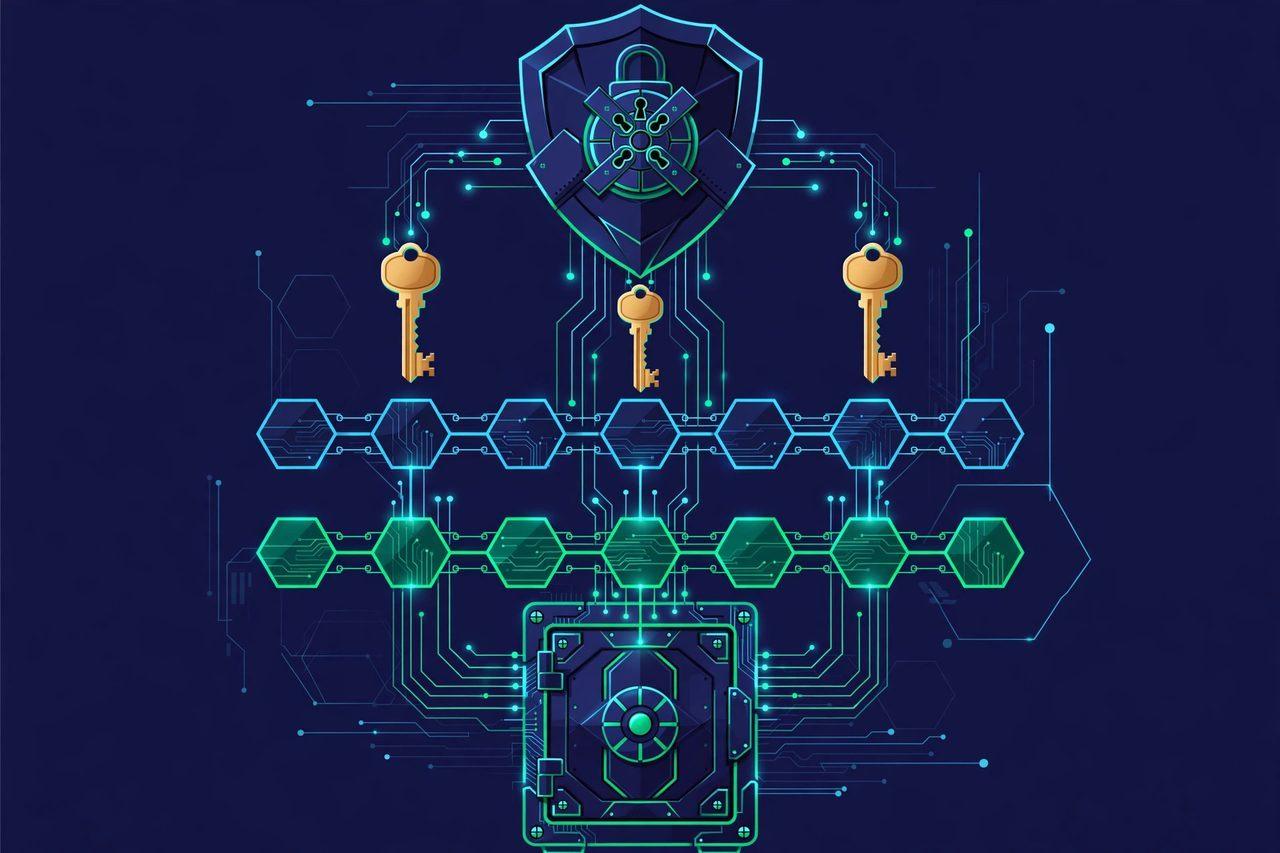
The second demonstration tackled a problem every crypto treasury manager knows: permissions live in many places at once. Using Safe, the multisignature wallet infrastructure widely used by decentralized autonomous organizations and treasury managers, the EEZ team demonstrated the first atomic ownership changes between Ethereum layer 1 and layer 2, alongside access to treasury assets held across multiple Safe accounts. In practice, that means account permissions can be updated and verified within a single transaction instead of being changed chain by chain, where a half-finished update could leave a treasury in an inconsistent state. For organizations that hold funds across mainnet and several rollups, coordinated ownership changes are not a convenience feature — they are a security feature.
The third demonstration looked further ahead. Developers verified a Falcon post-quantum signature on a rollup and used the result to authorise a mainnet transfer, with the team reporting a 91% reduction in gas consumption versus the alternative approach. Post-quantum signatures matter because they are designed to stay secure even against future quantum computers, but they are notoriously large and expensive to verify on-chain — which is exactly why doing the heavy verification on a rollup and only settling the result on mainnet is an attractive pattern. Taken together, the three demos sketch a coherent vision: rollups stop being separate islands that users must bridge between, and start behaving like extensions of Ethereum itself, with mainnet liquidity, shared wallet permissions, and even heavy cryptography coordinated in one atomic step.
The institutional backdrop: banks standardise tokenised markets
The Devcon demos did not arrive in a vacuum. On the same day, five global banks — HSBC, MUFG Bank, Standard Chartered, Kinexys by J.P. Morgan, and Societe Generale-FORGE — jointly established the Global Layer One Organisation (GL1 Org) in Singapore to set common standards for tokenised financial markets. GL1 Org builds on the Monetary Authority of Singapore's Global Layer 1 initiative and will push adoption of two frameworks: the GL1 Market Infrastructure Toolkit, which assesses whether market infrastructure is suitable, and the GL1 Programmable Compliance Toolkit, described as a structured approach to embedding regulatory and policy requirements into digital financial infrastructure. The honest read is that these are two sides of the same story: developers are removing the technical seams between chains, while banks are removing the standards seams between institutions. Neither development makes Ethereum faster overnight, and the EEZ demos are demonstrations, not production products — but both point the same way, toward blockchains that interoperate by default rather than by exception. For related background, see how eCash launched the first BIP 300 drivechain app ecosystem for Bitcoin and how Aztec's Tierra upgrade brings private blockchain apps closer. Follow blockchain coverage on the Zimbuck News page and in the Zimbuck Market News group. Join the conversation on Zimbuck to say whether rollups trading on mainnet liquidity would change how you use Ethereum — or whether bridges still feel safer to you.
FAQ
Q: What is synchronous composability? A: It means applications on different chains — here, an Ethereum rollup and Ethereum mainnet — can interact within a single transaction, so a trade, a permission change, or a verification completes atomically instead of in separate, sequential steps.
Q: What did the CoW Swap demo actually do? A: A user on a rollup signed one order; solvers filled it against Ethereum mainnet liquidity and delivered the tokens back to the rollup in the same transaction, with no separate bridge transaction or extra signature.
Q: What did the Safe demo show? A: The first atomic ownership changes between Ethereum layer 1 and layer 2, plus access to treasury assets across multiple Safe accounts, in a single transaction.
Q: What is the post-quantum demo about? A: A Falcon post-quantum signature was verified on a rollup and used to authorise a mainnet transfer, reportedly cutting gas consumption by 91% versus verifying it directly on mainnet.
Q: What came before these demos? A: In October, the project completed its first atomic mainnet transaction involving 0.001 ETH — the small-scale proof that the coordination mechanism works.
Q: What is GL1 Org? A: A non-profit formed November 4, 2026 by HSBC, MUFG Bank, Standard Chartered, Kinexys by J.P. Morgan and Societe Generale-FORGE to standardise tokenised financial markets, building on Singapore's MAS Global Layer 1 initiative.
Q: Is this live for ordinary users yet? A: No — these are Devcon demonstrations of a new capability, not a production release. Watch for real rollup integrations before assuming any wallet or exchange supports it.
This article is market news and general information only, not financial advice.




