

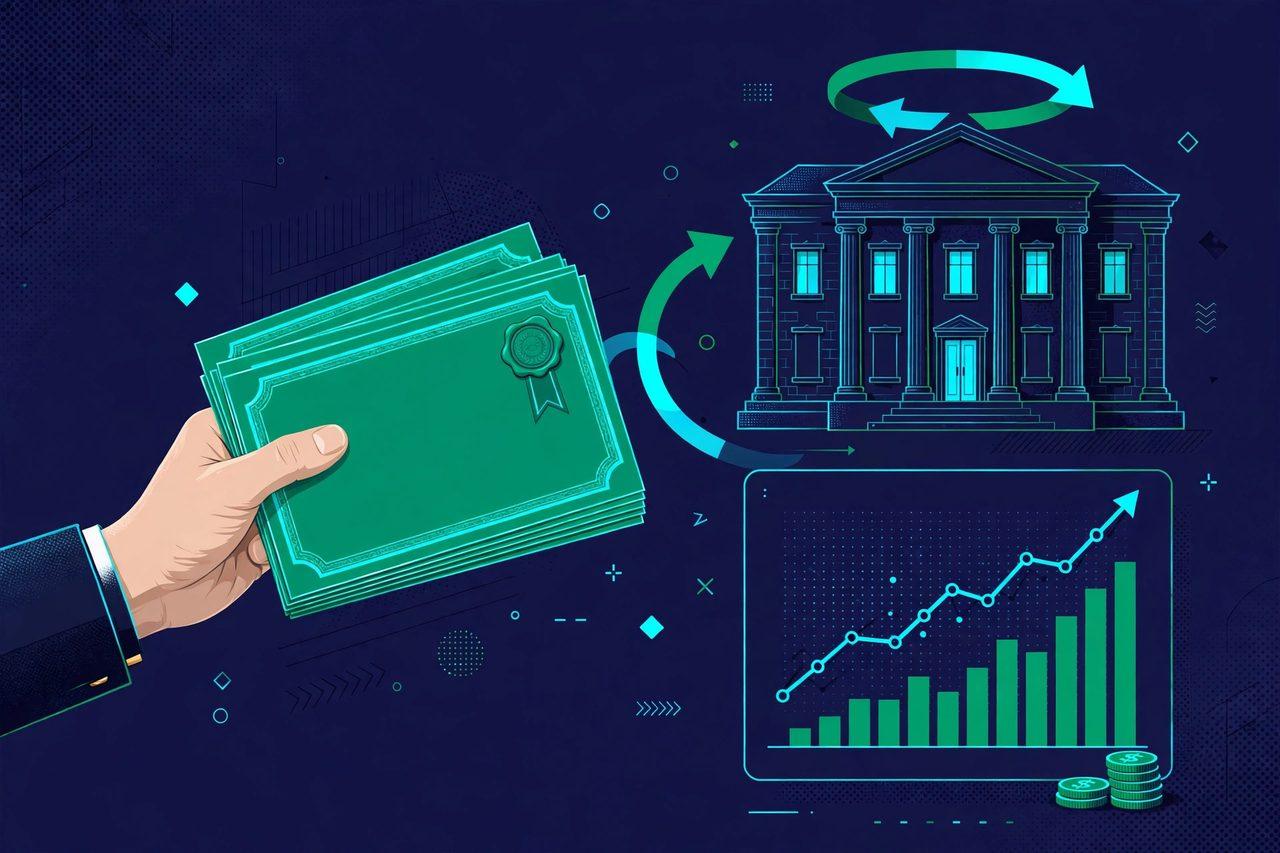
What Is a Share Buyback? How Repurchases Lift EPS, Support Prices and Signal Confidence

When a company announces it will spend billions buying its own shares, headlines usually call it "returning cash to shareholders." That is true, but it hides the mechanics that actually move the stock. A share buyback — also called a stock repurchase — is when a company uses its own cash to buy its shares back from the market and then retires them, or holds them as treasury shares. Fewer shares remain in circulation, so each remaining share represents a bigger slice of the same company. That simple arithmetic ripples through earnings per share, valuation ratios, dividend policy and the signal management sends about its own stock. This guide explains how buybacks work, why companies choose them over dividends, and the traps to watch for. Start with the arithmetic, because it explains most of the market reaction. Imagine a company earns $10 billion in a year and has 1 billion shares outstanding. Its earnings per share (EPS) is $10. Now suppose it spends cash to buy back and retire 100 million shares. The company still earned $10 billion, but that profit is now divided among 900 million shares, so EPS rises to about $11.11 — an 11% increase with no improvement in the underlying business at all. That is why buybacks are so popular with management teams whose pay is tied to EPS targets, and why analysts always ask whether an EPS beat came from real growth or from a shrinking share count. A buyback does not create profit; it concentrates existing profit among fewer owners.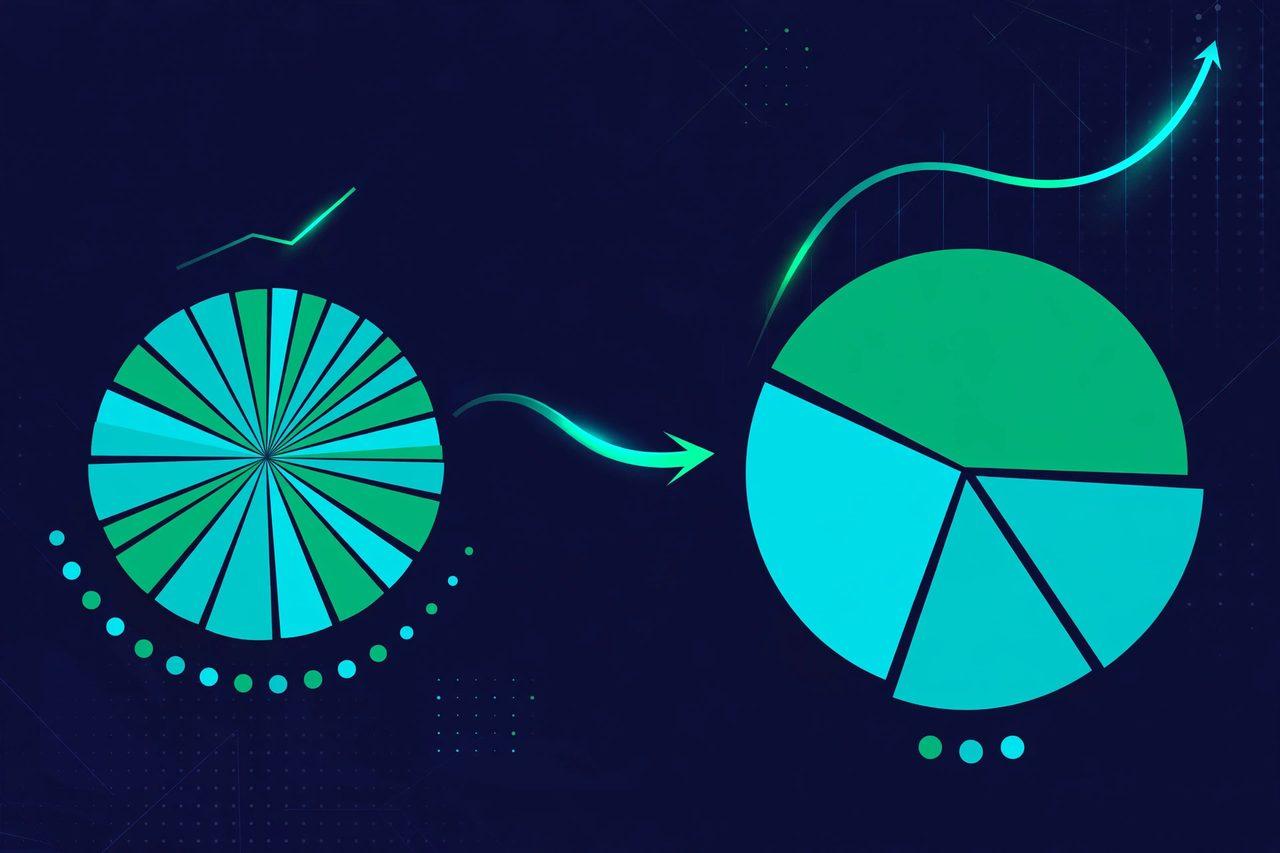 Buyback vs dividend: the same cash, a different choice. A company with surplus cash has two main ways to return it: pay a dividend, which gives every shareholder cash directly, or buy back shares, which gives remaining shareholders a bigger stake. The differences matter. A dividend is taxed as income when received in most countries, while a buyback generally creates no immediate tax bill — shareholders only pay tax later, if and when they sell at a gain (tax treatment varies by country, so check your local rules). A dividend also sets an expectation: cutting a dividend later is punished by the market, so companies are reluctant to raise one they cannot sustain. A buyback programme, by contrast, can be paused quietly without the same stigma, which makes it the more flexible tool — and also the easier one to overpromise, since announced authorisations are ceilings, not commitments, and companies routinely complete far less than they announce. There is also a price-support effect, though it is often overstated. A company buying its own shares is a real buyer in the market, and steady repurchases can cushion falls. But a buyback cannot indefinitely support a stock whose business is deteriorating: if earnings fall faster than the share count shrinks, EPS still falls, and the cash spent on repurchases is cash no longer available for investment, debt repayment or surviving a downturn. The great buyback failures are companies that borrowed heavily to repurchase shares at peak prices, then needed the cash when conditions turned. How to judge a buyback like an analyst: Is the share count actually falling? Compare shares outstanding year over year, not just the announced programme size. Some companies repurchase shares only to reissue them as employee stock compensation, leaving the count unchanged — the buyback then benefits insiders, not shareholders. Is it funded from profit or debt? A buyback funded from free cash flow is a distribution of surplus. One funded by new borrowing increases leverage and risk, especially if the shares were bought at a high price. Is the stock cheap or expensive? Buying back shares below their intrinsic value creates value for remaining holders; buying at a peak destroys it. Management teams, like all buyers, are often worst at timing their own stock. What is not being funded instead? Every dollar spent on repurchases is a dollar not spent on research, new plants, acquisitions or debt reduction. A buyback from a company starved of investment is a warning, not a reward. Does EPS growth survive without it? Strip out the share-count effect: if revenue and net income are flat but EPS rises only because shares shrank, the business is not growing — the arithmetic is. Used well, buybacks are one of the cleanest ways to return surplus cash: flexible, tax-efficient in many jurisdictions, and genuinely value-creating when shares are undervalued and the business is generating more cash than it can profitably reinvest. Used badly, they flatter EPS, enrich insiders through reissued shares, and leave a leveraged balance sheet behind. The next time a company announces a multi-billion buyback, skip the headline number and ask the five questions above — they will tell you more about the stock than the announcement ever will. Follow earnings coverage on the Zimbuck News page and in the Zimbuck Market News group. See also our P/E ratio guide and our guide to comparing earnings across companies. Join the conversation on Zimbuck to say whether you prefer buybacks or dividends — and why.
 FAQ. What is a share buyback? A company buying its own shares from the market and retiring them (or holding them as treasury shares), reducing the number of shares in circulation. How does a buyback raise EPS? EPS is profit divided by shares outstanding. Fewer shares means the same profit is divided among fewer owners, so EPS rises even if profit is unchanged. Is a buyback better than a dividend? Neither is universally better. Dividends give cash now but are usually taxed immediately and hard to cut; buybacks are more flexible and often more tax-efficient, but only benefit shareholders who keep holding. Can a buyback be a bad sign? Yes — if funded by debt, executed at peak prices, offset by shares reissued to insiders, or chosen over needed investment. Judge the funding, the price and the falling share count, not the headline size. Does an announced buyback guarantee the shares will be bought? No. Authorisations are maximums, not commitments, and companies often complete far less than announced. This article is general information only, not financial advice.




