

What Are Bond Yields? How Treasury Yields Move Stocks, Mortgages and Crypto — A Beginner's Guide

Every headline about yields rising or falling is really a headline about the price of borrowing money, and it affects almost everything you own, from your mortgage rate to your stock portfolio to Bitcoin. A bond yield is the annual return an investor earns from holding a bond, expressed as a percentage of its price. The most watched yields are those on US Treasury bonds, especially the 10-year Treasury yield, which acts as the benchmark against which mortgages, corporate loans and stock valuations are all priced.
The core relationship confuses everyone at first: when a bond's price falls, its yield rises, and vice versa. Imagine a bond paying $5 a year and repaying $100 at maturity. Buy it for $100 and your yield is 5%. If sellers push its price to $95, you still receive the same $5 a year and the same $100 at maturity, so your return on $95 is higher. If buyers push the price to $105, your return falls below 5%. The promised payments never change; only the price you pay for them does. So when headlines say yields rose, they mean bond prices fell — usually because investors are selling bonds on inflation fears, stronger growth expectations, or a shift into riskier assets.

The yield curve: the market's forecast in one chart
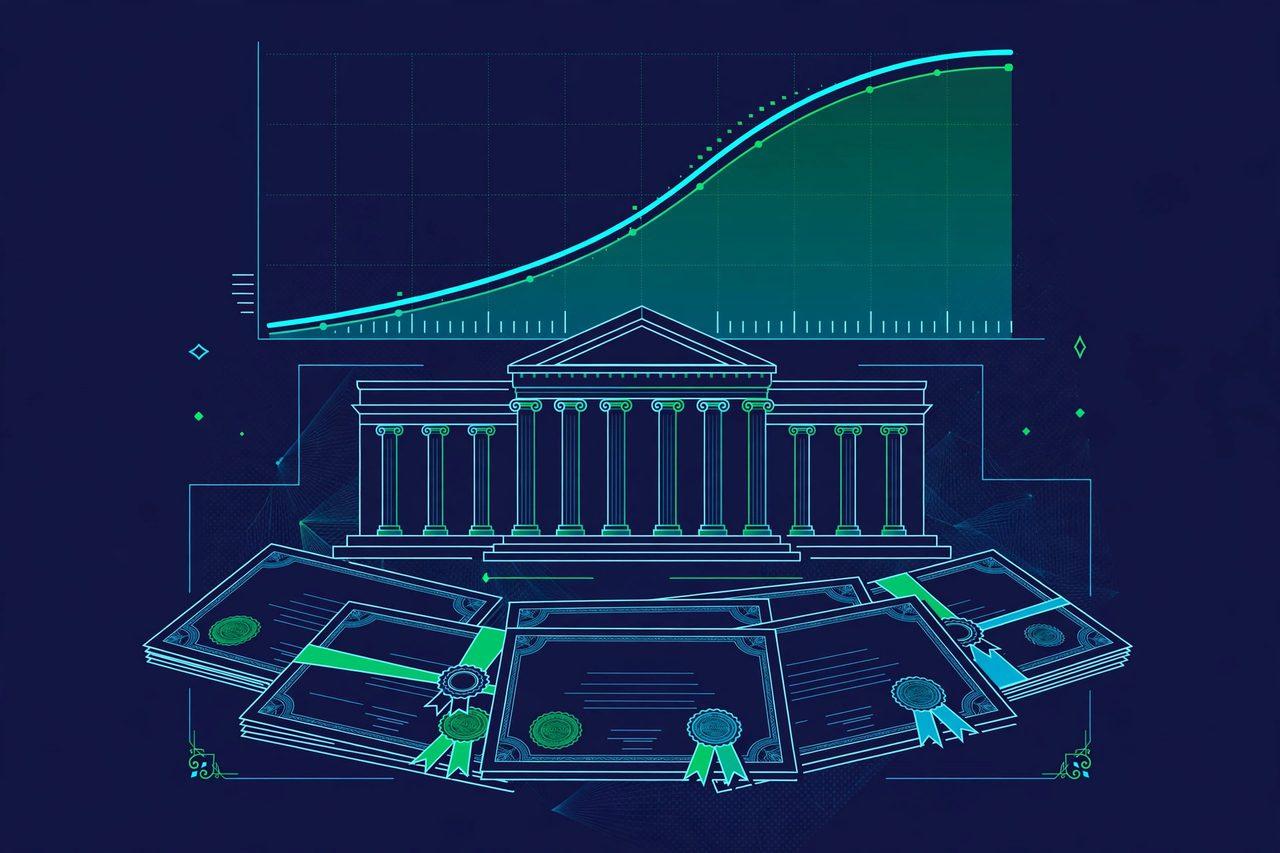
Plot yields for bonds of different maturities — 3 months, 2 years, 10 years, 30 years — and you get the yield curve, the market's collective forecast. Normally it slopes upward: longer bonds pay higher yields because lending for 30 years carries more inflation and uncertainty risk than lending for 3 months. When the curve flattens or inverts — short-term yields above long-term yields — it has historically warned of a coming recession, because it implies investors expect the central bank to cut rates as growth slows. An inverted curve does not cause a recession by itself, and its timing signal has become less precise, but it remains the first chart economists check.
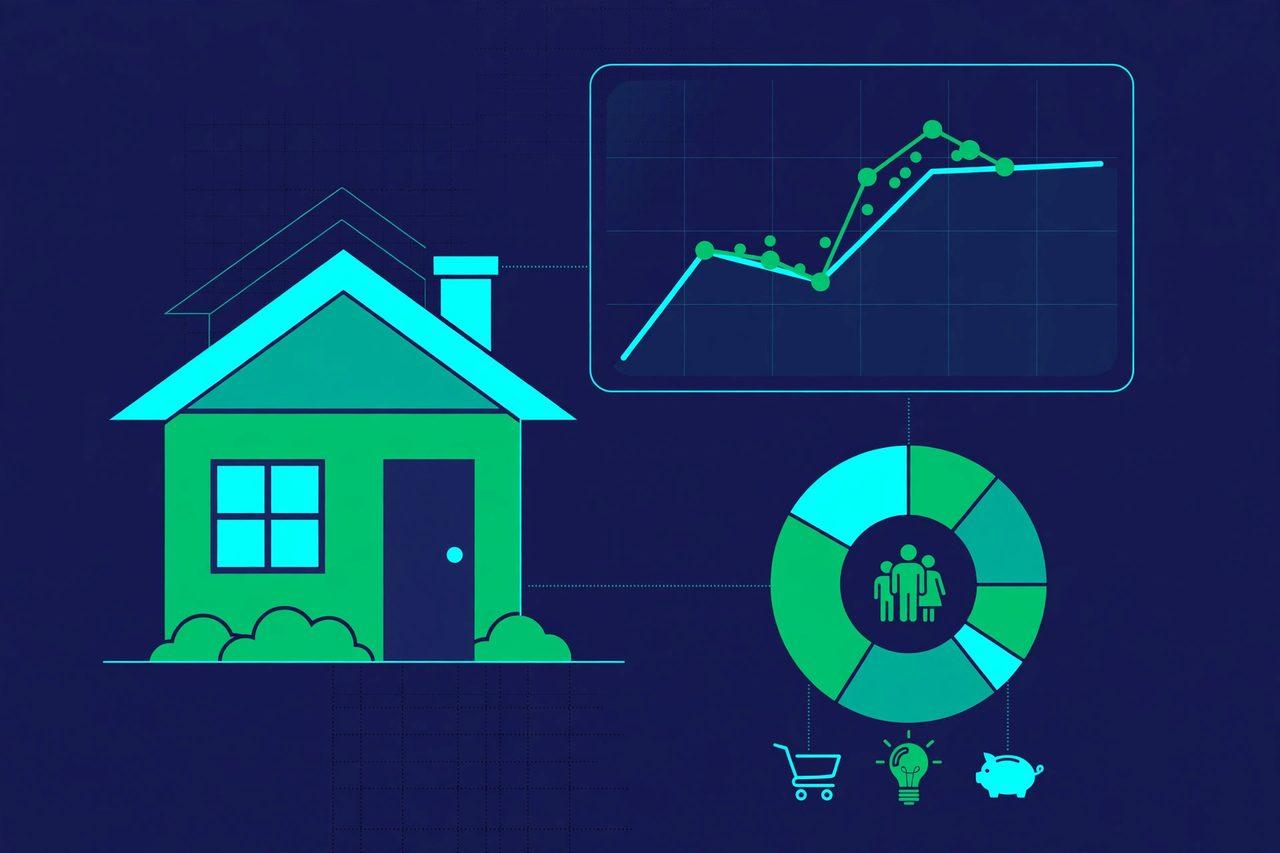
Yields also set the discount rate for everything else. A stock is a claim on future profits, and those profits are worth less today when the safe return on a government bond is high, because investors can earn that safe return instead. That is why rising Treasury yields often pressure growth stocks hardest: their profits lie furthest in the future, so they are discounted most heavily. The same mechanism reaches daily life through mortgages: most fixed mortgage rates are priced off long-term government yields, so a rising 10-year yield usually means more expensive home loans within weeks, even if the central bank has not changed its policy rate. For more on rates, see How Interest Rates Move Crypto and Stocks: A Beginner's Guide and What Is CPI and Why Does It Move Crypto and Stock Markets?
Why crypto traders watch bond yields too
Crypto may look disconnected from government bonds, but it trades on the same liquidity. When yields rise, risk appetite generally falls — money rotates toward bonds and away from speculative assets, and Bitcoin and altcoins often fall with stocks. When yields fall, the opposite rotation supports risk assets. That is why a single bond-market move can coincide with a crypto sell-off that has nothing to do with crypto news: the driver is the price of money itself.
Watch three things: the level of the 10-year yield, the direction (rising on growth optimism or on inflation fear — the market treats those very differently), and the shape of the curve. Together they tell you whether money is getting cheaper or dearer, whether a recession is being priced in, and whether risk assets have a tailwind or a headwind.
Follow economic coverage on the Zimbuck News page and in the Zimbuck Market News group. Join the conversation on Zimbuck to say which yield signal you watch first.
FAQ
What is a bond yield? The annual return from holding a bond, as a percentage of its price — coupon payments plus any gain or loss to maturity, divided by what you paid.
Why do yields rise when bond prices fall? Because the promised payments are fixed. Pay less for the same payments and your percentage return rises; pay more and it falls.
What is the 10-year Treasury yield, and why does it matter? The yield on US government bonds maturing in 10 years, the global benchmark for pricing mortgages, corporate debt and stock valuations.
What does an inverted yield curve mean? Short-term yields above long-term yields — historically a warning sign of a coming recession.
How do bond yields affect crypto? Through risk appetite and liquidity: rising yields raise the safe return available elsewhere and often pull money out of speculative assets including crypto; falling yields tend to support them.
This article is general information only, not financial advice.




