

What Is a Stock Buyback? Why Companies Buy Their Own Shares — and What It Means for Investors

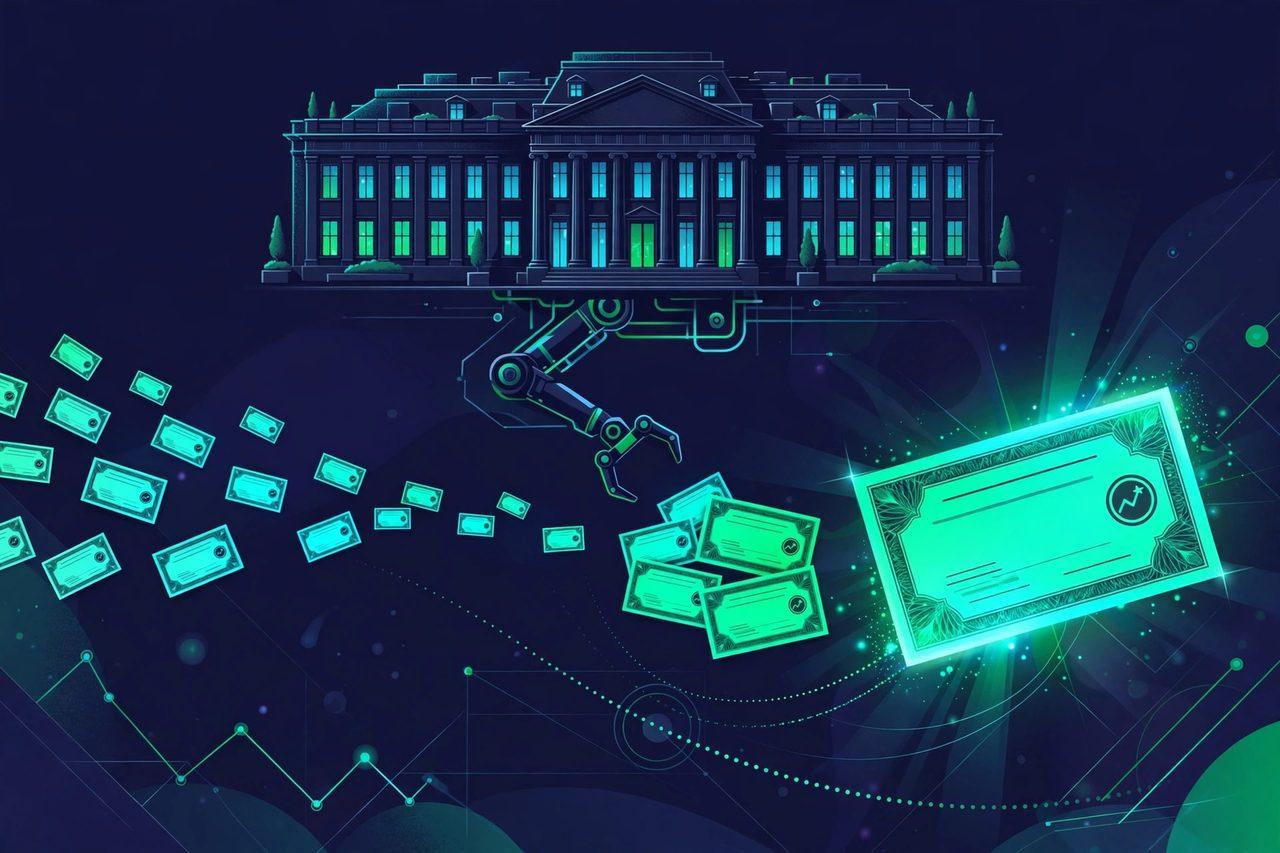
When a company announces it is buying back its own shares, headlines often treat it as a vote of confidence — or as a trick. The truth is more useful, and more boring, than either version. A stock buyback, also called a share repurchase, is simply a company using its cash to buy its own shares on the open market and then cancel them or hold them as treasury shares. Fewer shares remain in circulation, so each remaining share represents a slightly larger slice of the same business.
That simple mechanic explains both the appeal and the controversy. On the one hand, a
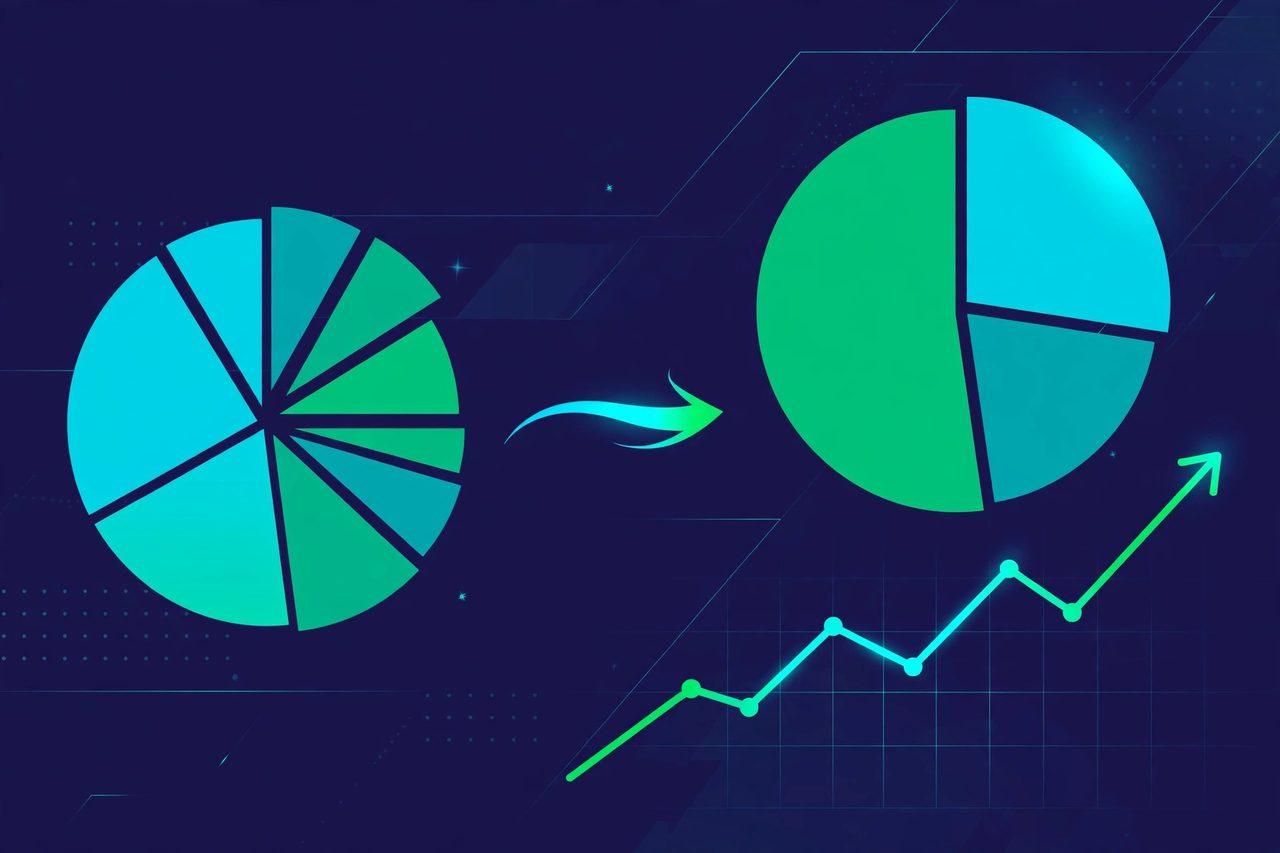 buyback returns cash to shareholders, just as a dividend does, but without forcing every shareholder to take cash and pay tax on it. On the other hand, because earnings per share rise when the share count falls, a buyback can make a company's profits look stronger than they are. Learning to tell those two stories apart is one of the most practical skills an investor can build.
The EPS maths, worked out
Earnings per share is net income divided by the number of shares outstanding. A buyback shrinks the denominator, so EPS rises even if profit is unchanged. Take a simple example. A company earns $100 million in net income with 50 million shares outstanding. Its EPS is $2.00. If it buys back 5 million shares, the count falls to 45 million, and EPS rises to about $2.22 — an increase of roughly 11% — with no change in underlying profit at all. At a price-to-earnings ratio of 20, that mechanical lift would imply a share price of about $40 rising to about $44, again without any improvement in the business itself.
That is why investors must always ask whether EPS growth is real or repurchased. Compare revenue growth, operating profit and cash flow alongside EPS. If profits are flat but EPS keeps climbing because the share count keeps falling, the company is not becoming more profitable; it is becoming more concentrated. Concentration is not inherently bad, but it should not be mistaken for growth.
Why companies buy back shares
Companies usually give five reasons, and they often overlap. First, surplus cash: a mature business generating more cash than it can profitably reinvest may return the excess rather than let it sit idle. Second, a signal of undervaluation: management buying its own shares suggests it believes the market is underpricing the business, although managers can be wrong or self-interested. Third, offsetting dilution: shares issued to employees as pay increase the share count, and buybacks cancel that dilution. Fourth, tax efficiency: in many jurisdictions, shareholders who do not sell pay no immediate tax on a buyback, unlike a dividend, which is taxed when received. Fifth, capital structure: replacing equity with debt, or simply adjusting leverage, can lower the cost of capital — at the cost of higher financial risk.
The rules and the tax
In the United States, buybacks operate under the Securities and Exchange Commission's
 Rule 10b-18, a safe harbour created in 1982 that protects companies from market-manipulation charges if they follow conditions on timing, price, volume and use of a single broker. The rule was designed to give companies a clear, legal way to repurchase shares without moving the market against other investors. More recently, the Inflation Reduction Act of 2022 introduced a 1% excise tax on the value of shares repurchased by US companies. The tax is small relative to buyback volumes, but it changed the calculus slightly and made the total cost of a programme more visible to boards.
Buyback yield, and the risks to watch
Analysts often summarise a programme with buyback yield: net repurchase cash divided by market capitalisation. A 3% buyback yield, for example, means the company spent an amount equal to 3% of its market value buying shares. Combined with dividend yield, it gives a total shareholder yield — a useful way to compare cash returns across companies. But yield alone does not tell you whether the buyback was well timed. Buying aggressively at a peak destroys value just as surely as a bad acquisition.
Three risks deserve attention. First, debt-funded buybacks: borrowing to repurchase shares increases leverage, and if earnings fall, interest payments do not. Second, EPS flattery: a rising EPS driven only by a shrinking share count can mask flat or falling profit, misleading investors who screen on EPS growth alone. Third, incentives: executives whose pay is tied to EPS or share price may favour buybacks over investment, dividends or debt reduction, even when another use of cash would serve shareholders better. None of these risks makes buybacks bad; they make the context — price, funding and alternatives — essential.
Key takeaways
- A buyback reduces shares outstanding; cancelled or treasury shares no longer count toward EPS.
- Worked example: $100 million / 50 million shares = $2.00 EPS; at 45 million shares, about $2.22, roughly 11% higher, with profit unchanged. At a P/E of 20, that implies about $40 rising to about $44.
- SEC Rule 10b-18 (1982) provides a safe harbour; the US 1% excise tax came with the Inflation Reduction Act of 2022.
- Buyback yield = net repurchase cash / market capitalisation.
- Always check revenue, operating profit and cash flow before celebrating EPS growth.
Frequently asked questions
Are buybacks good for shareholders? They can be, if shares are bought at a sensible price with surplus cash and no better investment is available. They are harmful if funded with excessive debt or used to mask weak performance.
How is a buyback different from a dividend? A dividend pays cash to all shareholders and is usually taxed on receipt. A buyback returns cash only to sellers, and remaining shareholders benefit through a larger ownership share, without an immediate tax event in many cases.
Why do companies buy back shares instead of investing? Sometimes they genuinely lack profitable projects. Sometimes management prefers the flexibility and EPS effect. Investors should compare the return on a buyback with the return on investment, debt repayment and dividends.
Further reading
Read the Zimbuck News page, join the Zimbuck Market News group, and see the related earnings checklist: How to Compare Earnings Across Companies — https://zimbuck.com/blogs/1029/How-to-Compare-Earnings-Across-Companies-Revenue-EPS-Margins-and — plus an authoritative explainer at https://www.britannica.com/money/stock-buyback-explained . Keep following Zimbuck News at https://zimbuck.com/pages/zimbucknews and the Zimbuck Market News group at https://zimbuck.com/groups/zimbuckmarketnews , and join us at https://zimbuck.com .
This article is for education only and is not financial advice. Share prices and buyback programmes can change, and past repurchases do not guarantee future returns.




