

How to Buy Bitcoin in Pakistan: P2P, JazzCash, Easypaisa and What the Law Says in 2026

Buying Bitcoin in Pakistan in 2026 does not work the way it works in the US or Europe. There is no local rupee on-ramp on a major exchange, no bank card that buys BTC directly, and no State Bank protection if a deal goes wrong. What Pakistan does have is one of the world's busiest peer-to-peer markets: ordinary people buying USDT with JazzCash and Easypaisa, then swapping it for Bitcoin. This guide walks through that route step by step, what the law actually says, and the mistakes that cost beginners money.
What the law says in Pakistan
Start with the honest picture. The State Bank of Pakistan (SBP) has not recognised cryptocurrency as legal tender, and there is no explicit ban on individuals trading or holding crypto either. The framework is being built in real time: Pakistan passed the Virtual Assets Act in March 2026, creating the Pakistan Virtual Assets Regulatory Authority (PVARA) to license and supervise crypto businesses. On February 20, 2026 PVARA launched a regulatory sandbox, and Binance is among the firms named as receiving a No Objection Certificate (NOC) — a preliminary approval, not a full licence. An SBP circular of April 14, 2026 lets banks open accounts for licensed virtual-asset service providers and their customers, with client rupees kept in separate accounts, while banks themselves may not trade or hold crypto.
For a beginner that means three things: buying Bitcoin is not a crime, it is not protected like a bank deposit either, and the rules are still changing — so check the current PVARA licensing page and the platform's own guidance before you move money. Nothing in this article is legal advice.
Step 1: set up an account and verify your identity
Pick a large, well-known platform — Binance is the one most Pakistanis use — and create an account with your own email and mobile number. Complete KYC verification with your CNIC (front and back plus a selfie); verification is usually quick and it raises your limits. Turn on two-factor authentication before you deposit anything, and never create an account in someone else's name: P2P payments must come from a payment account that belongs to you, or the trade can be frozen.
Step 2: buy USDT with rupees through P2P
Because there is no direct PKR deposit, almost every Pakistani buyer starts with peer-to-peer trading. On Binance, go to Trade, then P2P, choose Buy and USDT, and filter the payment method to JazzCash, Easypaisa or bank transfer. Most sellers list a minimum around PKR 5,000. Sort by price, but check the seller's completion rate too — 95% or higher with a long trade history is the safer pick.
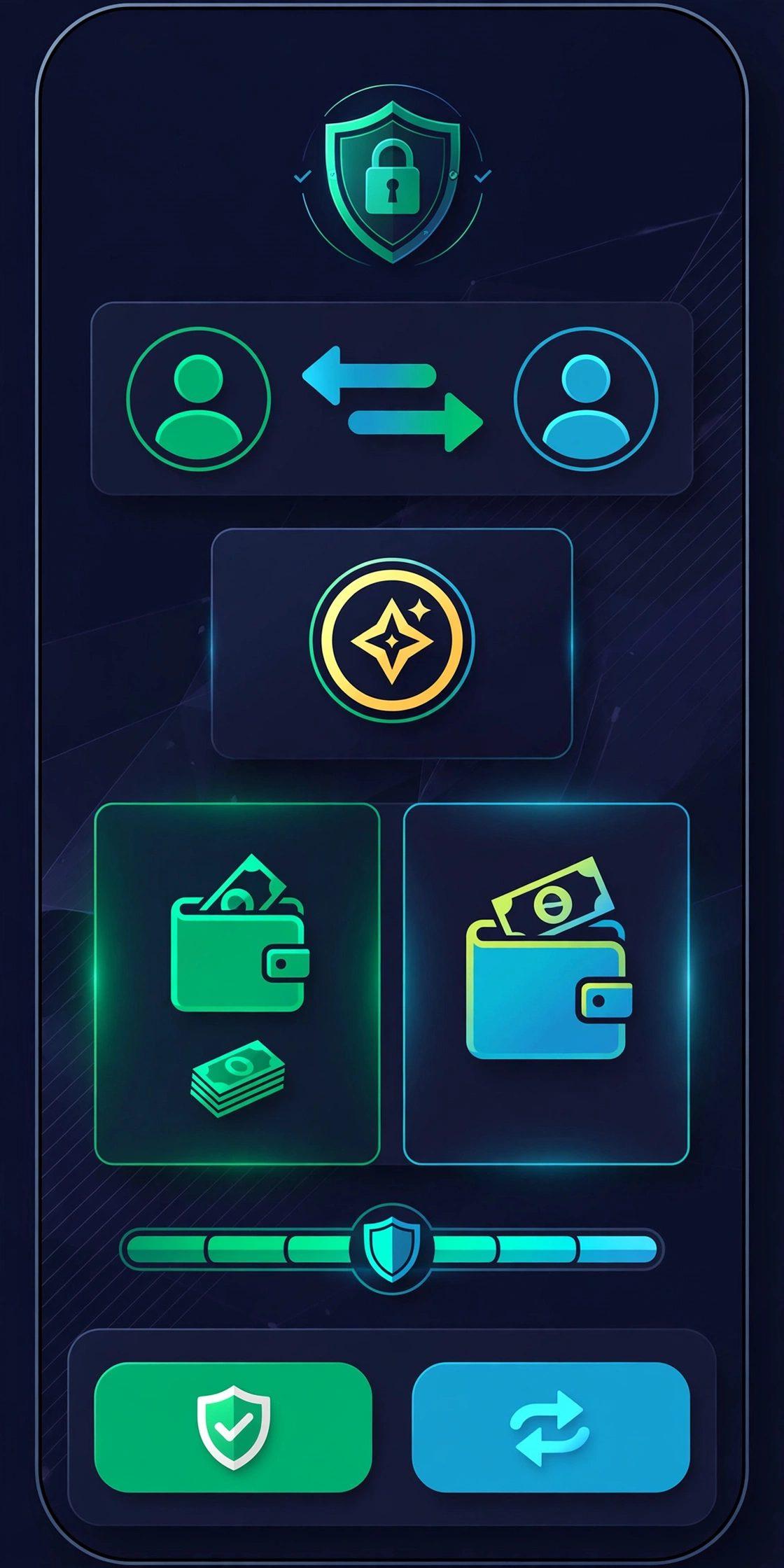
When you place the order, the seller's USDT is locked in escrow by the platform. You pay the seller in rupees through your own JazzCash or Easypaisa wallet, mark the payment as sent, and only then does the escrow release the USDT to you. The flow is simple — PKR to P2P buy, payment, then USDT — but the safety rules matter: never release crypto because a buyer sent you a payment screenshot, never pay through a third party's account, and never take a trade off the platform to WhatsApp or Telegram, where there is no escrow at all.
Step 3: swap USDT for Bitcoin
Once the USDT is in your wallet, go to Trade, then Spot, search BTC/USDT, and place a market order for beginners — it fills at the best available price. A market order on a liquid pair like BTC/USDT costs around 0.1% in trading fees for most users. You do not need to buy a whole Bitcoin: PKR 10,000 buys a small fraction of one, and that fraction is real Bitcoin.
Step 4: move it to a wallet you control
Leaving coins on an exchange is convenient but it is not storage. For amounts you plan to hold, move your Bitcoin to a wallet you control — a reputable mobile wallet for small amounts, a hardware wallet for larger ones. Write the recovery phrase on paper, store it offline, and never share it with anyone, including people claiming to be support staff. Our earlier guide on Bitcoin dominance explains how to read the market you are buying into, and Bitcoin's push above $80,000 shows how fast that market can move.
The mistakes that cost beginners money
- Paying outside escrow. Any seller who asks you to pay before an order exists, or to release crypto before confirming payment, is a scam risk. Stay inside the platform's P2P flow.
- Chasing the cheapest price. An offer far below the market rate is usually bait. A seller with a 95%+ completion rate at a fair price beats a suspicious bargain.
- Leaving everything on the exchange. Exchanges can freeze accounts during disputes. Your long-term holding belongs in your own wallet.
- Investing money you need. Bitcoin is volatile — it can fall 20% in a week. Only use money you can afford to lose, and learn first with a small amount.
FAQ
Is buying Bitcoin legal in Pakistan?
Crypto is not legal tender and the SBP has not banned individuals from trading or holding it. PVARA now licenses crypto businesses under the Virtual Assets Act, and Binance holds an NOC under the sandbox. The rules are still evolving, so verify the current position before trading.
Can I buy Bitcoin directly with JazzCash or Easypaisa?
Not directly — no major exchange takes PKR card or wallet deposits for crypto. You use JazzCash or Easypaisa inside a P2P trade to buy USDT, then swap USDT for Bitcoin on the spot market.
How much money do I need to start?
Most P2P sellers accept from around PKR 5,000. Start small while you learn the process, and only scale up once you have completed a full buy-and-withdraw cycle safely.
Is Binance P2P safe?
It is safer than trading with strangers off-platform because escrow holds the crypto until payment is confirmed. It is not risk-free: check seller completion rates, use your own payment account, and never release funds on a screenshot alone. Binance's own P2P safety guide for beginners covers the same rules in detail.
What about taxes?
Pakistan has no settled retail crypto tax framework as of this writing. Keep records of every trade — dates, amounts, PKR values — so you can report accurately if rules arrive.
Buying Bitcoin in Pakistan is a three-step skill: verified account, P2P rupees into USDT, spot swap into BTC — then your own wallet. Learn it slowly, start small, and stay inside escrow. For more beginner guides and market news, follow the Zimbuck News page and join the discussion in the Zimbuck Market News group — and if this guide helped, join the conversation on Zimbuck, the finance social platform for traders and investors.
This article is market news and general information only, not financial or legal advice.




