

How to Trade Memecoins Without Getting Rekt: Slippage, Liquidity Locks and Exit Plans

Memecoins are the highest-risk asset class in all of crypto. Estimates put the share of memecoins that eventually go to zero at 95-99%, and the survivors can still drop 50% in an afternoon. Yet people keep trading them, because the upside is real too. The difference between traders who last and traders who get rekt is rarely the coin they pick — it is the process around the trade. This guide covers the three mechanics that decide most memecoin outcomes: slippage, liquidity locks, and exit plans.
Rule zero: size the trade like it can go to zero
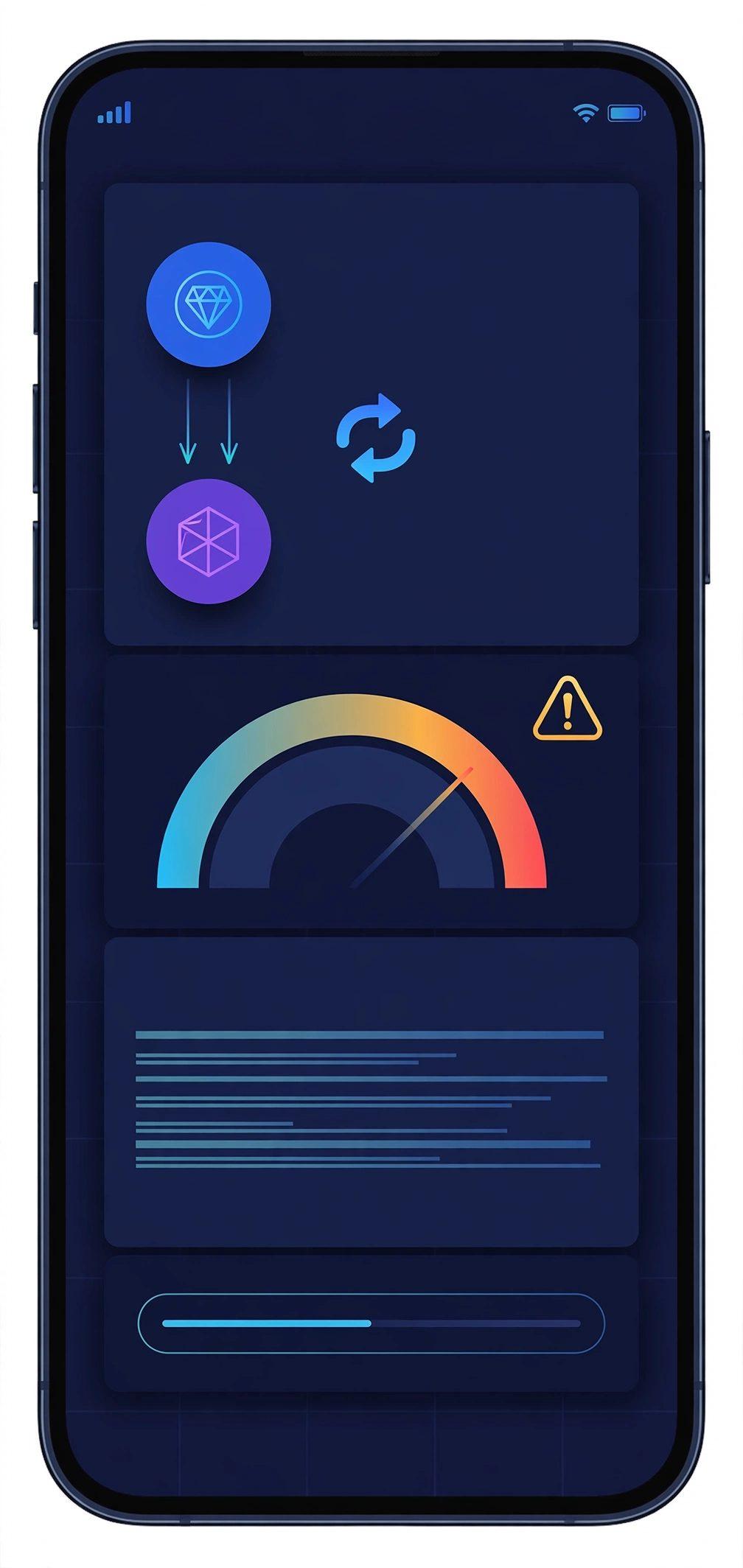
Before any chart or contract check, decide the amount. A disciplined rule used by experienced memecoin traders is a maximum of 0.5% of your total portfolio per memecoin, and never more than a few percent of your portfolio in memecoins in total. Never use leverage on memecoins under any circumstances. If the position going to zero would hurt, it is too big — full stop. Our earlier guide on spotting a rug pull covers the scam checks; this guide covers what happens after a coin passes them.
Slippage: the hidden tax on thin pools
Slippage is the gap between the price you see and the price you actually get. In a memecoin pool with thin liquidity, your own buy order moves the price — you pay more than the chart showed, and when you sell, you get less. A practical test before buying: simulate your intended trade size. If buying $500 worth of the token would move its price by more than 2-3%, the liquidity is too thin for a safe entry. Set a slippage tolerance of 5-10% maximum when you trade; if a trade needs more than that to go through, the pool is too shallow and you should walk away. A healthy memecoin generally holds at least 10% of its market cap in the liquidity pool — a $1 million market cap should have more than $100,000 of liquidity behind it.
Liquidity locks: can the dev pull the pool?
When a memecoin launches, its trading pool holds the token plus a paired asset like SOL or ETH. The creator receives LP tokens representing that pool. If those LP tokens sit in the creator's own wallet, they can withdraw the liquidity at any moment — the classic rug pull, leaving holders with a token nobody can sell. Before buying, check that the LP tokens are burned (sent to an unspendable address) or locked in a time-lock for at least 6 months. A burned LP is the strongest signal; a lock of 30 days or less is weak. Note the limit: a burned LP stops the creator pulling the pool, but it does not stop them selling their own token holdings — so check holder concentration too. If the top 10 holders control a large share of supply, or a single wallet outside the pool holds more than 2-3%, one seller can crash the price.
The pre-buy checklist, in two minutes
- Can you sell it? Run the contract through a honeypot checker. A honeypot lets you buy but blocks selling — if the check fails, close the tab.
- Are mint and freeze authorities revoked? If the creator can mint new supply or freeze wallets, they control your money.
- Is the LP burned or locked? At least 6 months, or burned outright.
- Is the contract verified and the audit score clean? A DEXT score above 80 is a common bar; below 50 is a walk-away.
- Who holds it? Top-10 concentration, dev holdings, snipers and insiders — all visible on a token page before you buy.
- Is there real volume? High liquidity with no volume is a dead coin.
Exit plans: decide before you buy, not after
Most memecoin losses are not bad entries — they are missing exits. Decide your plan before you click buy: a take-profit level where you sell part of the position, and a level where you exit entirely. A common structure is to sell enough at the first big move to recover your initial stake, then let the rest ride with a trailing stop in mind. Enter in tranches rather than all at once — for example 40% on the first entry, 30% on a pullback that recovers, 30% only if momentum confirms over a few hours — and avoid the first 30 minutes after launch, when manipulation is at its worst. Never market-buy the first spike; wait for the first pullback. Write the plan down. When the chart is pumping, discipline is the only thing standing between you and holding a coin back to zero.
Common pitfalls
- FOMO. The biggest enemy of rational trading. A coin that is already up 10x in a day is not a bargain — it is a coin other people are about to sell.
- Contract addresses from DMs. Never trade an address that reached you through a DM, a comment thread or a lookalike site. Copy it from the project's official channels or a trusted aggregator.
- Ignoring the sell side. Test that you can sell a tiny amount before sizing up. If the sell fails, you have found a honeypot before it cost you real money.
- No record-keeping. Log every trade — entry, size, exit — so you can see whether your process actually works.
FAQ
What is slippage in memecoin trading?
The difference between the quoted price and the executed price, caused by your order moving the price in a thin pool. High slippage means you overpay on entry and lose more on exit.
What does "liquidity locked" mean?
The pool's LP tokens are held in a time-lock or burned, so the creator cannot withdraw the pool's funds. Unlocked LP tokens in the deployer's wallet are a major red flag.
What is a honeypot?
A token contract that lets you buy but blocks selling — often through a freeze or blacklist function. Honeypot checkers and the token's sell permissions reveal it before you buy.
How much should I risk on one memecoin?
No more than 0.5% of your portfolio per coin, with memecoins a small share of your portfolio overall. Assume the coin can go to zero.
Can a memecoin be safe?
No memecoin trade is safe — 95-99% go to zero. Checks like the ones above reduce the risk of scams and bad liquidity, but they do not guarantee a profit. The DEXTools 2-minute memecoin checklist is a useful second reference for the same checks.
Memecoin trading is a process game: check the contract, check the pool, size the trade small, and exit on a plan you wrote before the hype. The coin matters less than the discipline. For more memecoin guides, see our rug-pull spotting guide and our memecoin tokenomics explainer, and join the discussion in the Zimbuck Market News group or on the Zimbuck News page. If this guide helped, join the conversation on Zimbuck, the finance social platform for traders and investors.
This article is market news and general information only, not financial advice.




