

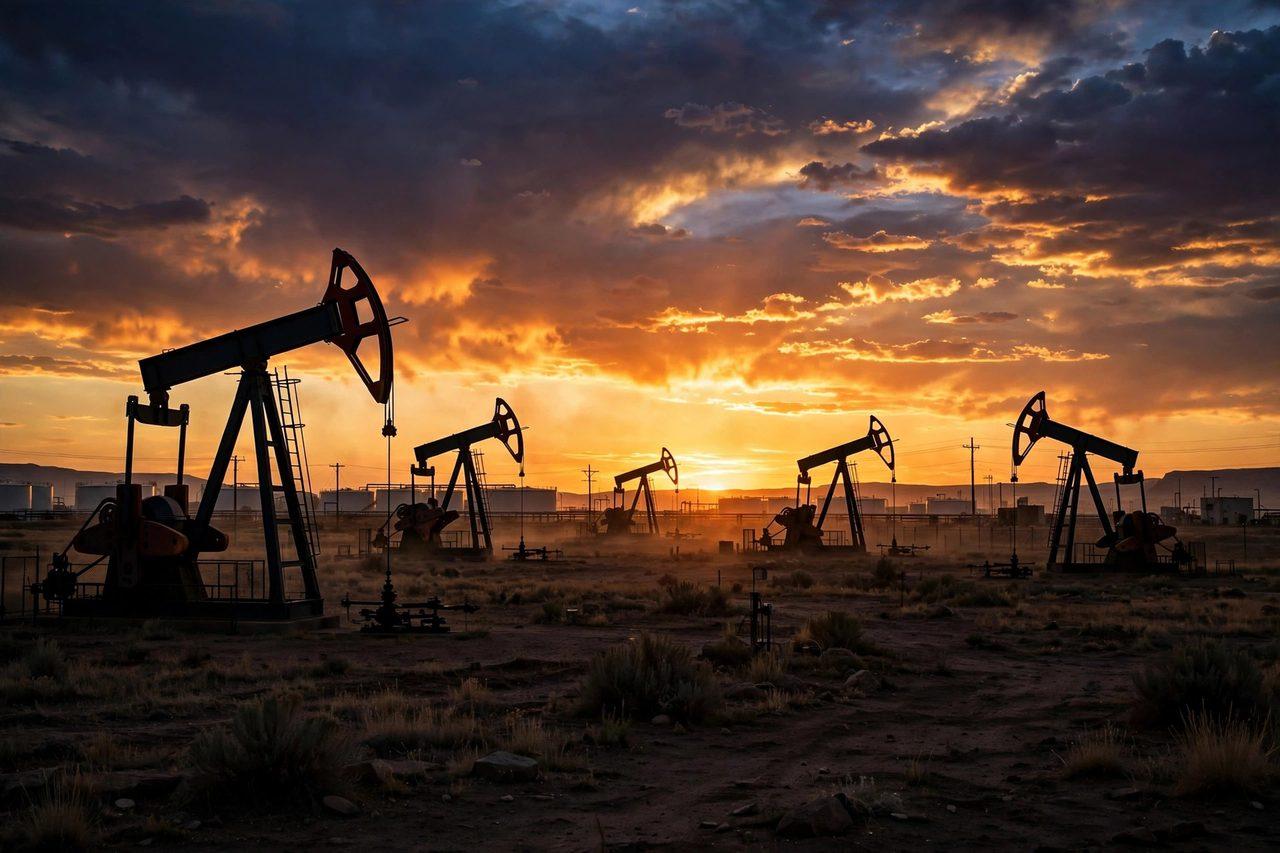
Oil Heads for Its Worst Week Since April 2020 as Gold Holds Near $4,124

Commodities split violently this week. Oil is heading for its worst weekly fall since April 2020, down roughly 20% for the week, while gold is holding near $4,124 an ounce after its biggest daily rally since August. One market is pricing in peace; the other is pricing in a weaker dollar and lower yields. Both moves trace back to the same event: the US midterm elections.
Brent crude, the global benchmark, fell 97 cents, or 1.03%, to $93.65 a barrel on Thursday — its fourth consecutive down day. US West Texas Intermediate fell $1.14, or 1.29%, to $86.98. The damage was done the day before: Brent settled Wednesday at $94.62, down 8.7%, its lowest close since August 31, while WTI fell 8.29% to $88.12.
Why Oil Collapsed
The trigger was politics, not supply data. Democrats swept the US midterm elections on November 3, winning control of both the House and the Senate. Vice President JD Vance blamed the Iran war for the Republican Party's losses — and traders took that as a signal that Washington may move toward de-escalation with Iran.
When the risk of a wider Middle East war falls, the "war premium" built into the oil price comes out fast. Brent has now fallen below $100 a barrel after plunging nearly 9% overnight, and if the decline holds through Friday's close it would be oil's largest weekly fall since April 2020 — the month the pandemic briefly pushed US crude prices negative.
Lower oil also eases one of the Federal Reserve's headaches: energy-driven inflation. That is the thread connecting oil's fall to gold's rise, because cheaper energy takes pressure off the case for keeping interest rates higher for longer.

Why Gold Is Holding the Rally
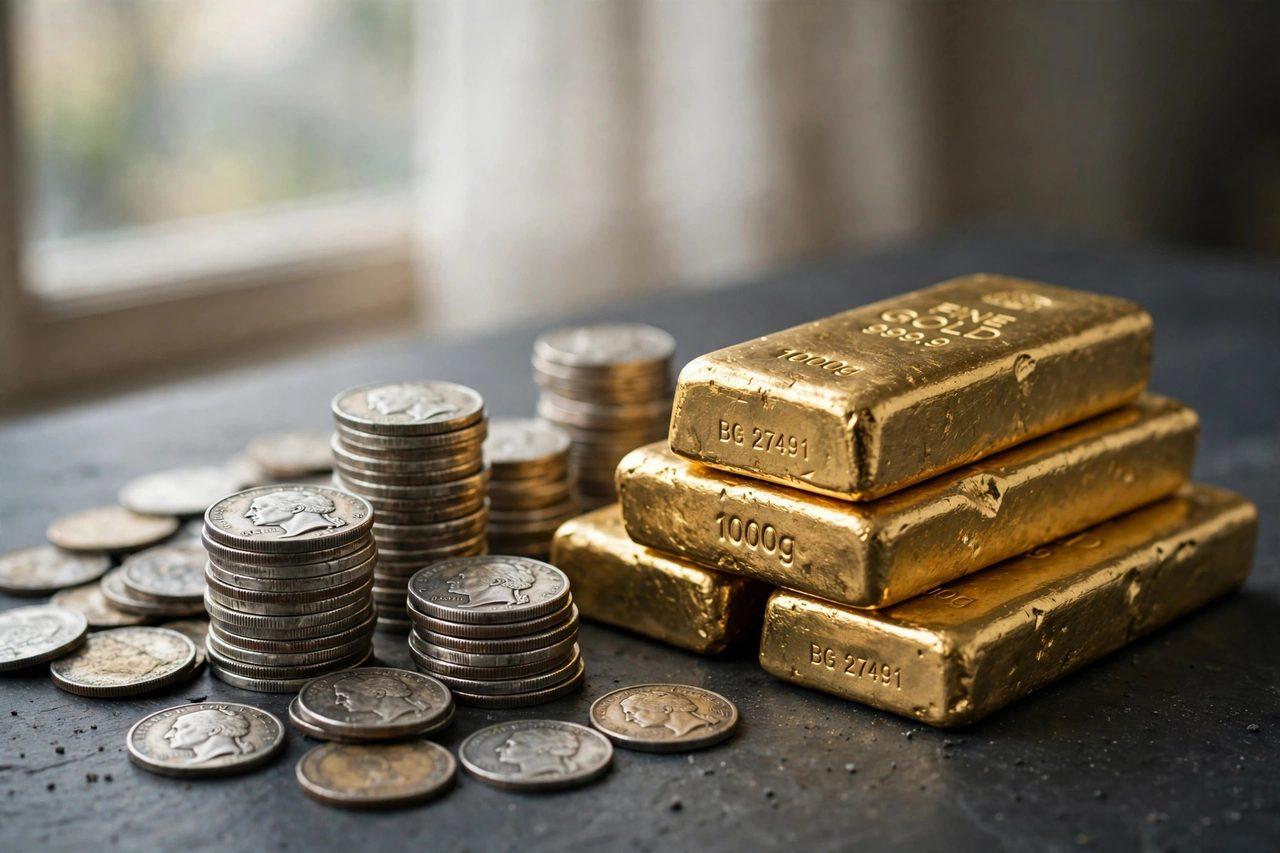
Gold climbed to its highest level in over two weeks on Thursday. Spot gold rose 1.6% to $4,123.71 an ounce by 0609 GMT, after touching its highest since October 20 earlier in the session. US gold futures for December delivery climbed 1.5% to $4,133.00.
The rally started Wednesday, when bullion jumped 3.3% — its best session since mid-August — as the post-election slide in the dollar lifted demand. Spot gold rose 3.4% to about $4,061 on November 4, and December futures settled at $4,073.00, up $132.60 or 3.37% on the day. The dollar index, which measures the greenback against a basket of currencies, fell 0.06% to 101.41 on Thursday after a 0.36% decline the prior session, and the yield on the benchmark US 10-year Treasury fell to 4.85%, its lowest level in two months.
Gold is a non-yielding asset, so it competes with bonds: when yields fall, gold gets more attractive. When the dollar falls, gold gets cheaper for buyers in other currencies. This week delivered both at once.
Silver is outrunning gold, as it often does in sharp rebounds: spot silver rose 0.8% to $52.61 on Thursday after gaining almost 5% on Wednesday, with December futures settling at $52.28, up 5.08%. Platinum gained 1.5% to $1,519.90 and palladium climbed 1.3% to $1,017.54.
What the Big Banks Expect Next
Citi has a 0–3 month price target of $4,500 per ounce for gold, it said on Wednesday, seeing substantial upside potential if the Strait of Hormuz reopens and the Yemen/Saudi conflict de-escalates by year-end, as it expects. Not everyone is convinced the rally runs much further: Capital Economics' Hamad Hussain cautioned that the Fed is likely to remain hawkish because of the inflationary backdrop, which limits the scope for further gains.
The next big data point is the US nonfarm payrolls report due Friday, November 6 — the last major labour reading before the Fed's December meeting. A soft jobs number would strengthen the case for rate cuts and likely support gold further; a hot one would do the opposite and could hand oil a breather too.
Copper, the industrial bellwether, was quoted at approximately $6.41 per pound as investors weighed the outlook for industrial demand and global growth — a reminder that not every commodity is riding the same wave.
The Numbers That Matter
- $93.65 — Brent crude on Thursday, down 1.03%, its fourth straight down day.
- $86.98 — WTI crude on Thursday, down 1.29%.
- -8.7% — Brent's Wednesday fall to a $94.62 settlement, its lowest close since August 31.
- ~20% — Brent's weekly decline; if sustained through Friday, the largest weekly fall since April 2020.
- $4,123.71 — spot gold on Thursday, up 1.6%, its highest since October 20.
- +3.3% — gold's Wednesday jump, its biggest daily gain since mid-August.
- $52.61 — spot silver on Thursday, after a near-5% gain on Wednesday.
- 101.41 — the dollar index, after two days of declines.
- 4.85% — the US 10-year Treasury yield, its lowest in two months.
- $4,500 — Citi's 0–3 month gold price target.
- Friday, Nov 6 — the US nonfarm payrolls report, the next catalyst for both markets.
What This Means for Traders
The split is the story. Oil and gold usually move on different drivers, but this week they are two sides of one political repricing: de-escalation hopes crush the war premium in crude, while a softer dollar and lower yields lift the safe haven. That alignment can reverse just as fast — a single headline from the Gulf or a hot payrolls number on Friday could send both markets the other way.
For anyone watching commodities as a signal for crypto, the read-through is straightforward: the same dollar weakness lifting gold is part of why Bitcoin is holding above $80,000 this week. Risk assets and hard assets are rising on the same liquidity expectations, while oil is telling a different story about geopolitics. When those stories diverge this sharply, it usually means a big repricing is still working its way through the system. Follow the commodity moves on the Zimbuck News page, and read the full market wrap in TradingView's Commodity Corner — then join the discussion in the Zimbuck Market News group.
FAQ
Why did oil fall so sharply this week?
Traders bet the Democrats' midterm sweep and Vice President JD Vance's admission that the Iran war cost Republicans the election would push Washington toward de-escalation with Iran, unwinding the war premium in crude. Brent fell 8.7% on Wednesday and a fourth straight day on Thursday.
How far has oil fallen this week?
Brent is down roughly 20% for the week — on course for its largest weekly fall since April 2020 if the decline holds through Friday's close.
Why is gold rising while oil falls?
Gold benefits from the same election result through different channels: a weaker dollar (down two days running) and lower Treasury yields (10-year at 4.85%, a two-month low) make non-yielding bullion more attractive. Gold rose 3.3% on Wednesday, its best day since mid-August.
What is gold trading at now?
Spot gold was around $4,123.71 on Thursday, up 1.6%, its highest since October 20. Silver was at $52.61, platinum $1,519.90 and palladium $1,017.54.
What is Citi's gold price target?
Citi has a 0–3 month target of $4,500 per ounce, seeing upside if the Strait of Hormuz reopens and the Yemen/Saudi conflict de-escalates by year-end.
What should traders watch next?
The US nonfarm payrolls report on Friday, November 6 — the next big input for Fed rate expectations, which drives both gold and the dollar.
This is market news and general information only, not financial advice. Follow gold, oil and more commodity coverage on Zimbuck — join the conversation there to stay ahead of the next move.




