Hair loss treatment has improved significantly over the years, giving people more options to restore thinning hair and bald areas. Two of the most commonly discussed hair restoration techniques are FUE (Follicular Unit Extraction) and FUT (Follicular Unit Transplantation). Both methods aim to restore hair by transferring healthy follicles from one area of the scalp to another, but their approaches are different.
Many people considering a transplant often ask whether FUE Hair Transplant is better than FUT. The answer depends on individual hair loss patterns, expectations, donor hair quality, and personal preferences. Understanding the differences between these procedures can help you choose the most suitable option.
What Is FUE Hair Transplant?
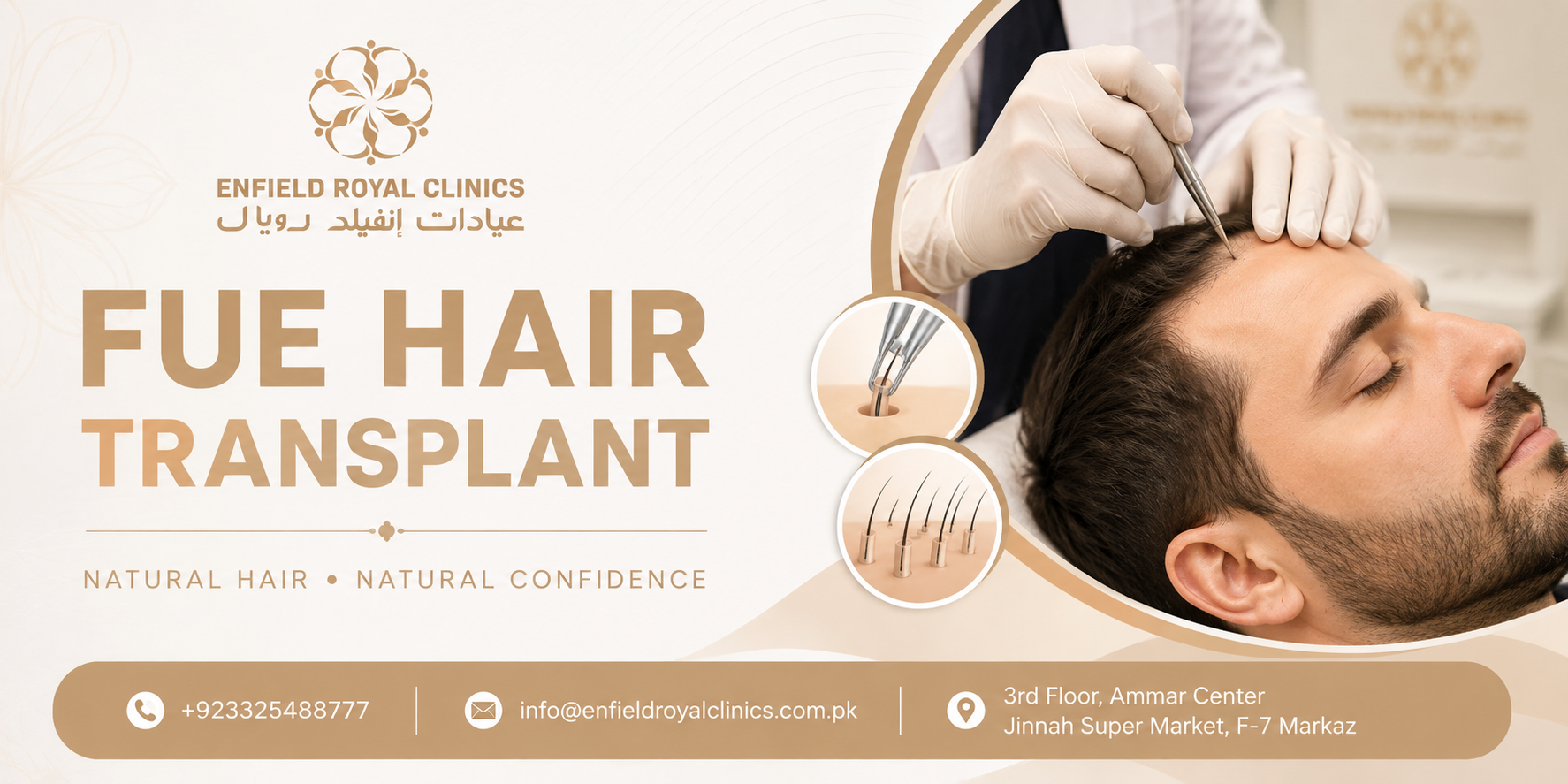
FUE is a modern hair restoration technique where individual hair follicles are extracted from the donor area, usually the back or sides of the scalp. These follicles are then carefully implanted into areas experiencing hair thinning or baldness.
Because follicles are removed individually, there is no need to remove a strip of scalp. This makes the procedure minimally invasive and reduces the chances of noticeable scarring.
The technique focuses on precision and natural-looking results by placing each follicle according to the natural growth pattern of the hair.
What Is FUT Hair Transplant?
FUT, also known as the strip method, involves removing a thin strip of scalp from the donor area. The strip contains multiple hair follicles, which are separated into individual grafts and implanted into areas requiring restoration.
This method can provide a large number of grafts in a single session, making it suitable for some patients with advanced hair loss. However, it usually leaves a linear scar in the donor area.
The recovery process may also be different compared with FUE because the procedure involves removing a section of scalp tissue.
Difference Between FUE and FUT
Although both techniques aim to restore hair growth, they differ in several important ways.
Extraction Method
The main difference is how follicles are collected.
- FUE removes individual follicles one by one.
- FUT removes a strip of scalp containing multiple follicles.
The extraction method affects scarring, recovery, and the overall experience of the patient.
Scarring
Scarring is one of the biggest factors people consider when choosing a transplant method.
FUE typically leaves tiny circular marks that become less noticeable as they heal. This makes it a preferred option for people who like shorter hairstyles.
FUT usually creates a linear scar because a strip of scalp is removed. Although the scar can often be hidden by longer hair, it may be visible with very short hairstyles.
Recovery Time
Recovery experiences can vary depending on the individual, but FUE generally involves a more comfortable healing process because it does not require a surgical incision.
Patients undergoing FUE often return to regular activities sooner, while FUT may require a longer recovery period due to the removal and closure of scalp tissue.
Natural Results
Both methods can produce natural results when performed by an experienced specialist. The final appearance depends on factors such as follicle quality, implantation technique, hairline design, and aftercare.
A skilled approach is more important than the method alone when it comes to achieving a natural look.
Why Do Many People Prefer FUE?
Many patients choose FUE because of its modern approach and several advantages.
Some common benefits include:
- Minimal visible scarring
- Less invasive technique
- Faster recovery for many patients
- Suitable for different hairstyles
- Natural-looking hair growth
- Individual follicle placement
These benefits have made FUE a popular choice among people seeking advanced hair restoration.
Is FUT Still a Good Option?
Although FUE is widely preferred today, FUT can still be suitable for certain patients. People who require a large number of grafts or have specific hair loss patterns may benefit from this method.
A specialist may recommend FUT based on:
- Degree of hair loss
- Donor area condition
- Number of grafts required
- Long-term restoration goals
The best technique is the one that matches the patient’s individual needs.
Which Procedure Gives Better Results?
Both FUE and FUT can provide successful outcomes when performed correctly. The quality of the results depends on several factors, including the expertise of the clinic, proper planning, and patient aftercare.
FUE may be preferred by individuals who want minimal scarring and a quicker recovery, while FUT may be considered for patients needing extensive coverage.
A detailed consultation is the best way to determine which procedure is most appropriate.
Factors to Consider Before Choosing
Before deciding between FUE and FUT, patients should consider:
- Their hair loss stage
- Desired hairstyle after treatment
- Donor hair availability
- Recovery expectations
- Long-term hair goals
- Professional recommendations
Choosing a procedure based only on popularity may not always lead to the best outcome. A personalized approach provides better results.
Conclusion
So, is FUE Hair Transplant better than FUT? In many cases, FUE is preferred because it offers minimal scarring, a comfortable recovery process, and natural-looking results. However, FUT can still be an effective option for certain patients depending on their hair restoration needs.
The right choice depends on individual factors such as hair loss pattern, donor area quality, and treatment goals. Consulting with an experienced hair restoration specialist can help you select the method that provides the most suitable and long-lasting results.