

Devcon's Game Zone Puts 15 Ethereum Games on Show in Mumbai — With NFT Rewards for Players

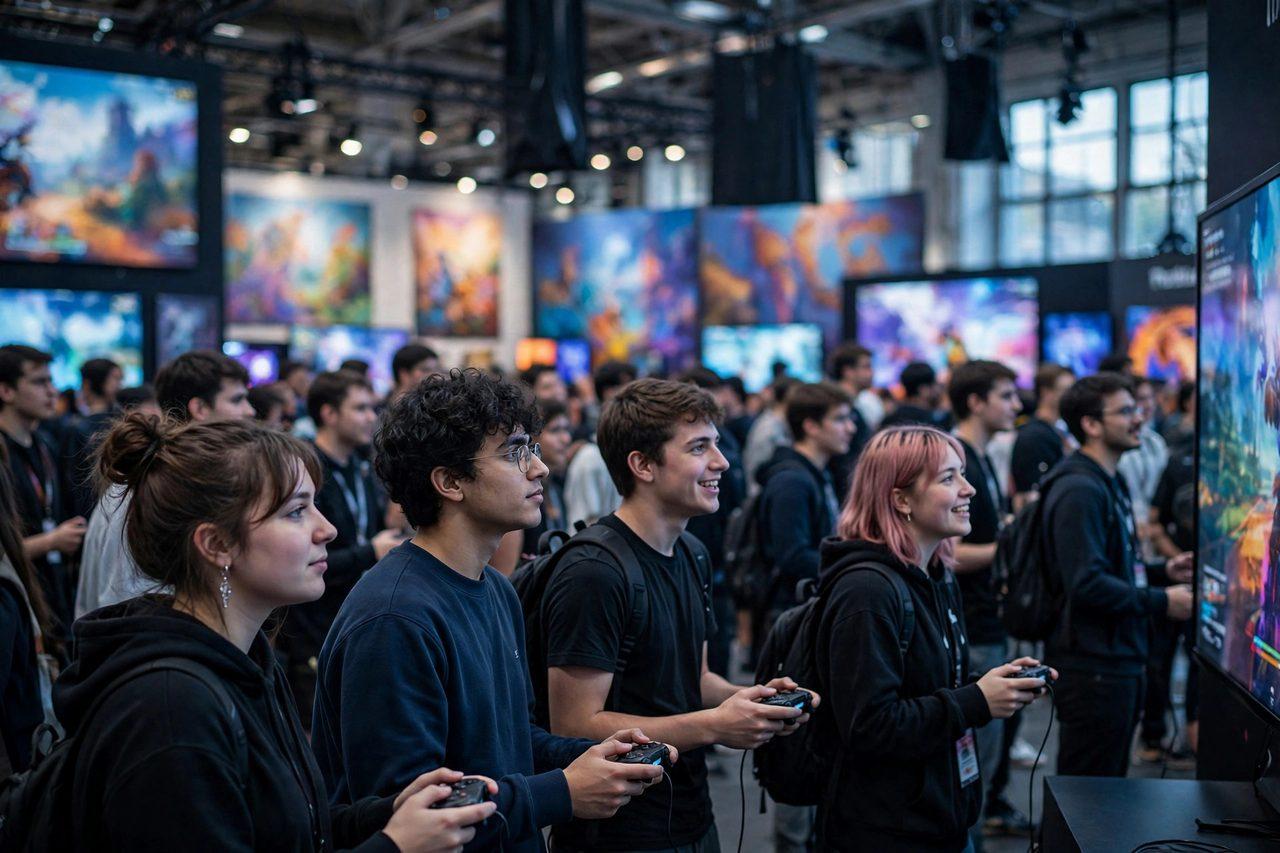
While most of crypto watches prices, Ethereum's flagship conference is watching games. Devcon 8 in Mumbai has set aside a dedicated Game Zone for four days, where more than 15 teams are presenting games built on Ethereum — and handing out NFT rewards and prizes to the players who try them.
It is the clearest sign yet that onchain gaming has moved from side-event curiosity to a headline attraction at the conference that defines Ethereum's year.

What is happening in Mumbai
Devcon 8 runs November 3–6 at the Jio World Centre in Mumbai's Bandra Kurla Complex, and the Game Zone runs across all four days. The Ethereum Foundation's Devcon team announced the zone on X on November 2, calling it "four days of onchain gaming, friendly competition, and hands-on experiences in Mumbai."
The lineup graphic carries 15 logos. The named teams include:
- Axie Infinity, presenting under its Vibeathon branding
- Onchain Heroes, whose Maze of Gains is playable at the zone
- Bomber.world, Chaos Agents, Citadel, Frontier, Yield Fields, Stomp and Voxlings
Art and game hackathons, a Lunar Rover Arena and a chess tournament on the opening day, November 3, round out the program. And the gaming did not wait for the conference doors: on November 2, during Devcon week, BackersStage's Onchain Dev City ran a Quest District set up as a live arcade of onchain quests and mini-games, awarding NFT badges and leaderboard points for every tap.
Devcon has not said how Game Zone teams were selected, what the NFT rewards and prizes are worth, or which chains and Layer-2 networks sit behind the games — only that they are built on Ethereum.
Why this matters for gaming NFTs
For players, the Game Zone is a test of the idea that a game NFT should be something you earn by playing, not something you buy on speculation. The rewards here are participation badges, leaderboard points and in-game items — the kind of NFT that only has value if the game around it is worth playing.
That distinction matters, because the NFT market has just been reminded how fragile speculation-first projects are. Blur, once the marketplace that handled more than 70% of Ethereum NFT trading volume, announced it will shut down its marketplace frontend on November 12, 2026 — its smart contracts keep running onchain, but the website goes dark, and its Blend lending protocol stops matching new loans the same day. The BLUR token fell more than 20% on the news, and monthly volume had already dropped below $7 million by March 2026.
The contrast with Devcon's Game Zone is the story: one era of NFTs was about trading volume; the next is about games people actually play. Many onchain games are already moving to self-hosted marketplaces or ecosystem platforms such as Ronin Market rather than depending on a generalist marketplace at all.
The wider week in gaming NFTs
Devcon is not the only signal. OpenSea says it will integrate Elysium, a new Layer 2 for the Hyperliquid ecosystem, when its mainnet launches on November 9 — another marketplace betting that gaming and ecosystem chains are where the activity is heading. Meanwhile Minehood, the mining game, has paused to move in-game purchases from ETH to its own token after holder pushback over spending, with player progress carrying over and NFTs still unlocking deeper mines.
And on the conference circuit, Enjin held its weekly livestream on November 5 featuring Starstone gameplay — a reminder that the infrastructure for tokenized in-game items, which Enjin pioneered on Ethereum, is still being built in public.
What to look for next
- Which games keep players after the prizes end. A Game Zone badge is easy to give away; a game people return to is the real metric.
- Whether Axie's Vibeathon or Onchain Heroes' Maze of Gains break out beyond the Devcon crowd once the conference ends on November 6.
- What Elysium's November 9 mainnet launch does for gaming NFTs on the Hyperliquid ecosystem, with OpenSea supporting it from day one.
- How the Blur shutdown on November 12 plays out for traders still holding positions tied to its frontend and Blend loans.
For anyone buying a gaming NFT, the lesson from this week is the same one our valuation guide sets out: floor price and rarity mean little without a game people play and an economy that survives without hype. And if you are new to the space, start with the ownership question — what you actually own when you buy a game NFT — before you spend anything.
FAQ
What is Devcon's Game Zone?
A dedicated area at Devcon 8 in Mumbai, running November 3–6, where more than 15 teams present games built on Ethereum, with NFT rewards and prizes for players.
Which games are featured?
Axie Infinity (Vibeathon), Onchain Heroes' Maze of Gains, Bomber.world, Chaos Agents, Citadel, Frontier, Yield Fields, Stomp and Voxlings, among others.
Are the NFT rewards worth anything?
Devcon has not disclosed what the rewards and prizes are worth. They are participation and achievement items — badges and in-game rewards — rather than speculative assets.
Why did Blur shut down its marketplace?
Blur announced on October 12 that its frontend will go offline on November 12, 2026, after monthly volume fell below $7 million and its token dropped more than 20%. Its smart contracts stay live on Ethereum, so trading can continue directly onchain.
Is onchain gaming growing or shrinking?
The Devcon Game Zone, OpenSea's Elysium integration and games moving to self-hosted marketplaces all point the same way: speculation-first NFT trading is shrinking, while playable onchain games are getting the industry's attention.
This is market news and general information only, not financial advice. Follow the developing story on the Zimbuck News page and in the Zimbuck Market News group, and join the conversation on Zimbuck — the finance social platform for traders and investors: https://zimbuck.com




