

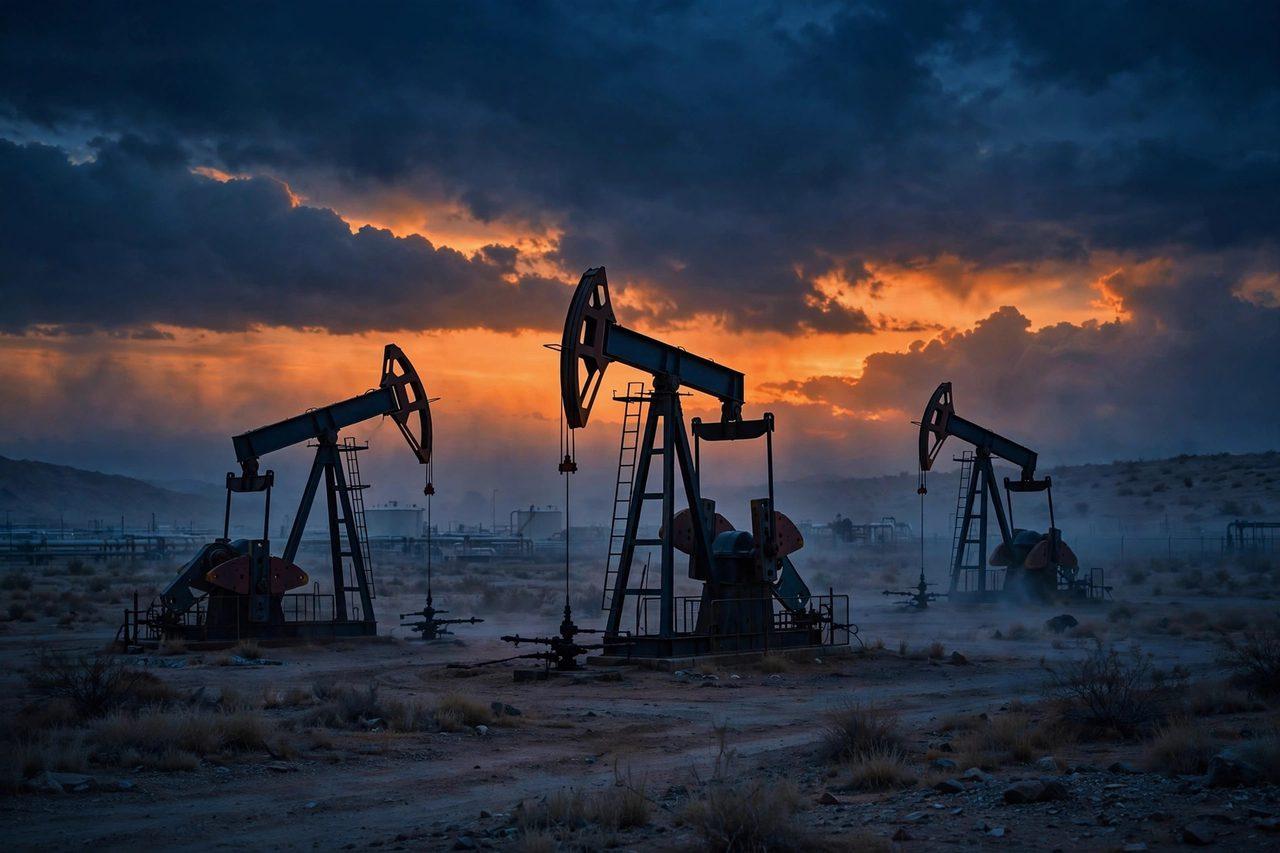

Oil is the world's most traded commodity — and its price can swing $9 in a single day. On Wednesday, November 4, Brent crude fell $8.98, or 8.7%, to $94.62 a barrel; by Friday morning it had bounced back toward $100, with WTI near $91.50. The same week, both benchmarks were still heading for losses of around 12%. If you want to understand markets, you need to understand what moves oil — because oil moves everything else, from inflation to interest rates to your petrol bill.
This guide breaks down the five forces that set the price of a barrel.
1. Supply and demand — the baseline
At its core, oil obeys the same rule as everything else: when supply exceeds demand, prices fall; when demand exceeds supply, prices rise. The balance is measured in millions of barrels per day, and small gaps move prices a lot, because demand for oil barely changes when prices move — people still need to drive and heat their homes.
Right now the market is oversupplied. JPMorgan estimated that supply exceeded demand by 1.1 million barrels a day in September, widening to 1.4 million in October — and that surplus is the main reason Brent spent the week sliding before Friday's rebound. A surplus of just 1–2% of global supply can mean a double-digit price fall.
2. OPEC+ — the cartel that sets the floor
The Organization of the Petroleum Exporting Countries and its allies (OPEC+) control roughly 40% of world oil production. When they cut output together, they can prop up prices; when they pump more, prices slide. Their meetings are among the most market-moving events in commodities.
- Production cuts restrict supply and support prices — the cartel's favourite tool in a weak market.
- Production increases add barrels and push prices down, often deliberately to defend market share.
- Spare capacity matters: the market watches not just what OPEC+ pumps, but what it could pump. Large spare capacity caps how high prices can go.
OPEC+ decisions are political as well as economic — member countries need oil revenue to fund their budgets, so every meeting is a negotiation between national interests.
3. Geopolitics — the fear premium
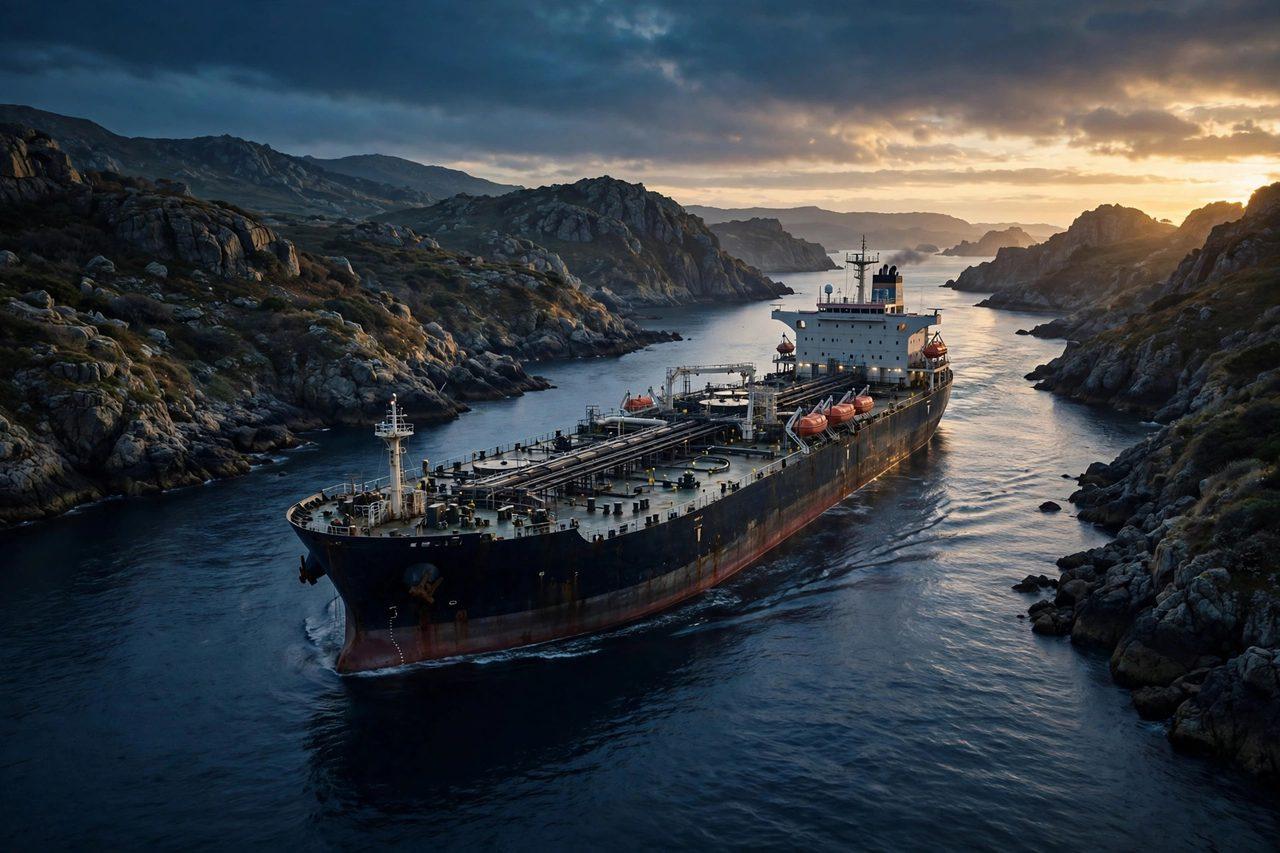
Oil comes from some of the world's most volatile regions, so war and tension add a "fear premium" to the price. This week gave a textbook example: reports of fresh attacks on tankers in the Strait of Hormuz — the narrow waterway through which about a fifth of the world's oil passes — helped Brent bounce back toward $100 on Friday, even though the market is oversupplied.
Other geopolitical drivers to watch:
- Sanctions on big producers (Iran, Russia, Venezuela) can remove millions of barrels from legal markets overnight.
- Wars and conflicts near producing regions raise the risk of supply disruption, even before a single barrel is lost.
- Elections and policy shifts matter too — this week's US midterm results, in which Democrats swept both chambers of Congress, fed speculation about pressure to end the eight-month conflict with Iran, adding to the rebound.
The key point: geopolitics usually moves oil up on fear and down when the fear fades — which is why oil can rally on a headline and give it all back the next day.
4. The US dollar — oil's hidden lever
Oil is priced in dollars worldwide, so a stronger dollar makes oil more expensive for buyers using other currencies, which tends to push demand — and prices — down. A weaker dollar does the opposite. This is one reason oil traders watch the Federal Reserve as closely as they watch OPEC.
It also works the other way: when oil spikes, oil-importing countries pay more, their trade balances worsen, and their currencies can weaken — a feedback loop that hits everyone from Pakistan's rupee to India's import bill.
5. Inventories, futures and speculation
The oil price you see quoted — Brent (the international benchmark, priced in London) or WTI (the US benchmark, priced in Oklahoma) — is a futures price: a bet on what oil will cost on a future date. That means expectations move prices before anything physical changes.
- Weekly inventory reports from the US Energy Information Administration (EIA) show whether stockpiles are building (bearish) or draining (bullish).
- Refinery demand is seasonal: summer driving season and winter heating demand lift consumption at predictable times of year.
- Speculators — hedge funds and traders — amplify moves in both directions, which is why oil can fall 8% one day and bounce 4% the next on the same fundamentals.
Why oil prices matter to you
You do not need to trade oil for it to affect your money:
- Inflation: fuel and transport costs feed into almost every price. Central banks watch oil closely when setting interest rates.
- Stocks: airlines, shipping and manufacturers suffer when oil rises; oil producers and energy stocks benefit.
- Currencies: oil exporters' currencies strengthen with oil; importers' currencies weaken.
- Your wallet: petrol and diesel prices follow crude with a lag of days to weeks — the pump price you pay today reflects the crude price of last week.
That is why this week's whipsaw matters beyond the energy desk. Oil is heading for its worst week since April 2020, yet gold is holding near $4,124 — a split that tells you markets are pricing a growth scare and a safe-haven bid at the same time. We covered that split in detail in Oil Heads for Its Worst Week Since April 2020 as Gold Holds Near $4,124.
How to follow oil like a trader
- Watch Brent and WTI together. The gap between them (the spread) tells you about US vs global supply.
- Read the EIA inventory report every Wednesday. A surprise build or draw moves prices within minutes.
- Track OPEC+ meeting dates. The decision — and the compliance with it — is what matters.
- Separate fear from fundamentals. A tanker headline can add $3 in a day; a 1.4 million barrel-per-day surplus takes weeks to clear.
- Remember the lag. Pump prices, airline fares and inflation data all follow crude by weeks — oil leads, everything else follows.
FAQ
What is the difference between Brent and WTI?
Brent is the international benchmark, based on North Sea crude and priced in London. WTI (West Texas Intermediate) is the US benchmark, priced at Cushing, Oklahoma. Brent usually trades a few dollars above WTI because it reflects global seaborne supply.
Why did oil fall 12% in a week?
Oversupply is the main driver: JPMorgan put the surplus at 1.1 million barrels a day in September and 1.4 million in October, and Wednesday's $9 plunge came as the market priced in that glut — before tanker attacks in the Strait of Hormuz sparked Friday's rebound toward $100.
Does OPEC control the oil price?
Not fully. OPEC+ can influence prices by cutting or raising output, but it cannot control demand, US shale production, inventories or geopolitics — and its members do not always follow their own quotas.
How does the oil price affect gold?
Both react to the same macro forces but often in opposite directions: falling oil can signal weak growth (bad for stocks, sometimes good for gold as a haven), while rising oil can lift inflation expectations (also supportive for gold). This week, oil fell and gold held near $4,124 — a classic haven bid. Our guide to the gold-silver ratio explains how traders read the metals side of that trade.
Oil is where economics, politics and geography collide — which is exactly why it repays study. Follow the next OPEC+ decision and the weekly inventory data with the Zimbuck News page and discuss it in the Zimbuck Market News group, and join the conversation on Zimbuck — the finance social platform for traders and investors.
This article is general educational information only, not financial advice.




