


A Practical Guide to Data Reprocessing in SAP SuccessFactors for HR Operations Teams

Incomplete candidate data in SAP SuccessFactors can be cleaned up through a structured reprocessing approach: identify how far the data quality gap extends, automate the re-parsing of existing resumes against current taxonomy, validate the results against a sample of records, and then maintain reprocessing as an ongoing practice rather than a one-time fix. HR operations teams that follow this sequence tend to see faster, more durable improvements in search and shortlist quality than teams that attempt a single large cleanup and then move on. This guide walks through each step in practical terms.
Data reprocessing projects often stall not because the underlying technology is complicated, but because HR operations teams are unsure where to start or how to scope the work realistically. The following practical steps are intended to give teams a clear, sequential path from identifying the problem to maintaining a durable fix.
Step one: audit the existing candidate database
Before reprocessing anything, get a clear picture of how widespread the data quality issue actually is. Pull a representative sample of candidate records across different application dates and review how consistently skills, job titles, and work history are populated. Look specifically for patterns tied to time, since data quality often correlates with when a candidate applied relative to the last taxonomy or parsing update. This audit does not need to be exhaustive, but it should be large enough to give a reliable sense of scale before committing resources to a fix.
Step two: define what "complete" looks like
Reprocessing needs a clear target. Work with recruiting leadership to define which fields are considered essential for a complete candidate profile, whether that is standardised skill tags, a normalised job title, education details, or certification data. Having this definition agreed upon in advance makes it much easier to measure whether a reprocessing effort actually succeeded, rather than relying on a general sense that things "look better."
Step three: automate the reprocessing itself
This is where Data Reprocessing for SAP SuccessFactors does the heavy lifting: existing resumes stored in the platform are re-parsed against current extraction and taxonomy rules, and standardised results are written back into candidate profiles automatically. For HR operations teams, this step should be approached as a configuration and integration exercise layered onto the existing SAP SuccessFactors instance, rather than a data migration project requiring new infrastructure.
Step four: validate against the sample
Once reprocessing has run, return to the sample set identified in step one and check whether the defined completeness criteria are now being met consistently. This validation step matters because it confirms the reprocessing logic is working as expected before it is trusted across the full candidate database, and it gives HR operations teams concrete evidence to share with recruiting leadership about the improvement achieved.
Step five: build reprocessing into standing operations
The step most teams skip is treating reprocessing as an ongoing practice rather than a completed project. As new resumes enter the system and as parsing technology continues to improve, candidate data will begin drifting out of alignment again unless reprocessing continues to run periodically or continuously. Teams that build this into their standing data governance practice, similar to how IT teams schedule routine system maintenance, avoid having to repeat a large cleanup project every couple of years.
Practical considerations for Canadian HR operations teams
Canadian organisations should factor PIPEDA obligations into how reprocessing is documented and communicated, particularly around consent for how candidate data is used and retained. Confirming that a reprocessing vendor does not retain candidate data after processing, and that its security certifications are current, is a reasonable and increasingly expected part of due diligence before any implementation begins. Reviewing RChilli Data Security & Compliance directly gives HR operations and privacy teams a clear, specific reference point for these questions rather than relying on general vendor assurances.
Where this fits into broader recruiting technology
Reprocessing works best when it is not treated as an isolated tool but as one part of a coordinated approach to candidate data quality across the recruiting technology stack. The broader set of capabilities at RChilli for SAP SuccessFactors shows how reprocessing connects to parsing, matching, and screening automation within the same platform, which is a useful reference point for HR operations teams building a longer-term data quality roadmap rather than solving the problem once and hoping it does not resurface.
Following this practical sequence, from audit through to standing maintenance, gives HR operations teams a repeatable process rather than a one-time fix, which is ultimately what determines whether candidate data stays clean over the long run.
Documenting the process for audit purposes
Throughout this five-step process, HR operations teams should maintain clear documentation of what was audited, what completeness criteria were defined, and what results the reprocessing effort achieved. This documentation matters beyond the immediate project; it becomes valuable evidence if the organisation is later asked to demonstrate consistent, fair data handling practices as part of an internal review or regulatory inquiry under PIPEDA.
Training recruiters on the change
A step that is easy to overlook is communicating the change to the recruiters who will benefit from it. Even a well-executed reprocessing effort delivers limited value if recruiters are not aware that search results have improved and continue relying on old workarounds out of habit. A short internal communication explaining what changed and encouraging recruiters to trust system search again tends to accelerate adoption of the improved data considerably faster than assuming recruiters will notice the improvement on their own.
Coordinating with IT throughout the process
While this guide is framed primarily for HR operations teams, close coordination with IT throughout the process, particularly during the integration and validation steps, helps avoid delays and ensures the reprocessing solution is configured correctly within the broader SAP SuccessFactors environment. IT teams can also help establish appropriate monitoring, so that any future data quality drift is identified proactively rather than being discovered again through the same kind of informal, anecdotal observation that originally surfaced the problem.
Revisiting the completeness definition periodically
The definition of a "complete" candidate profile established in step two should not be treated as fixed indefinitely. As the organisation's recruiting needs evolve, for instance if a new set of skills becomes strategically important, it is worth revisiting and updating the completeness criteria periodically, and re-running validation against the updated definition to confirm the reprocessing approach continues to meet the organisation's actual needs rather than an outdated standard.
Keeping the guide practical over time
As with any operational process, this guide should be revisited periodically rather than treated as a one-time reference. Recruiting volume changes, taxonomy standards evolve, and organisational priorities shift, all of which can affect how frequently reprocessing needs to run and what "complete" should mean for a candidate profile. HR operations teams that build in a periodic review of this process, rather than assuming the original implementation will remain sufficient indefinitely, tend to sustain better data quality outcomes over the long run.
A brief closing note
None of the five steps outlined here require specialised technical expertise on the part of HR operations staff. The heavier technical work, the actual re-parsing and taxonomy standardisation, is handled by the reprocessing solution itself, leaving HR operations teams free to focus on defining requirements, validating outcomes, and communicating the change effectively.
Catégories
Lire la suite
Finding reliable Aayah / Caretaker in Indore can make everyday family life easier and more comfortable. Many families need dependable support for children, elderly family members, patients, or people who require assistance with their daily routines. A professional Aayah or caretaker can provide valuable help with regular care, supervision, personal assistance, and other home support activities....

Navigation Switch Market Executive Overview & Industry Scope The Navigation Switch Market covers multi-directional human-machine interface (HMI) electromechanical switches—including 4-way, 5-way, and 8-way directional switches with integrated center-push select buttons. These tactile components enable intuitive menu browsing and directional input in space-constrained electronic...

Whether you're a young athlete playing your first organized sport, a college competitor pushing your limits, or an active adult who enjoys running, tennis, cycling, or weekend games, staying healthy is essential for long-term success. While injuries are often considered part of sports, many can be prevented with the right preparation, training, and recovery strategies. Injury...

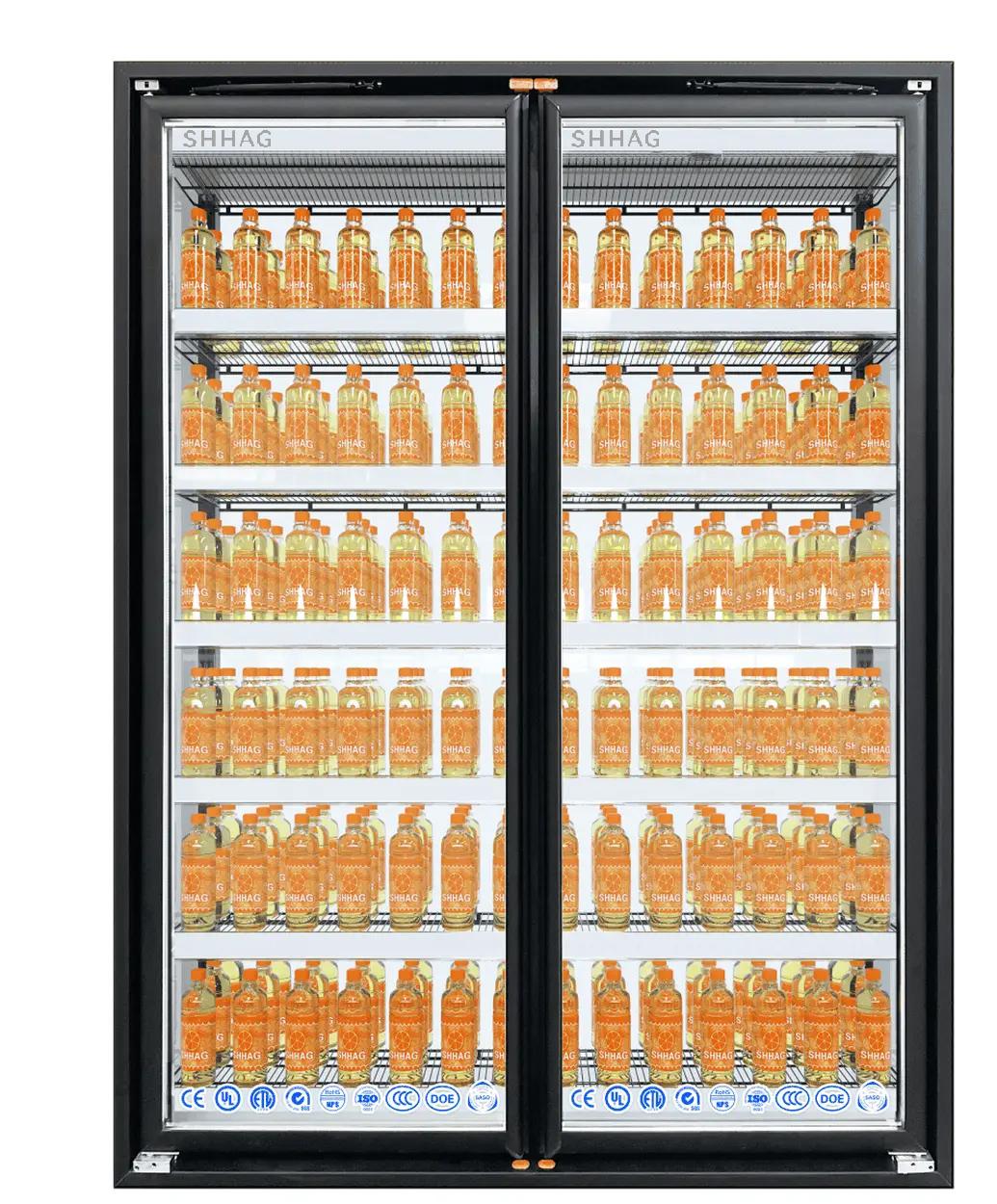
In today's competitive retail and food service industries, presentation is just as important as product quality. Customers are naturally drawn to well-organized, brightly displayed beverages that are easy to see and access. Whether you operate a supermarket, convenience store, café, restaurant, hotel, or beverage distributor, investing in a high-quality beverage refrigerator glass door...
Traveling can be exciting, but getting to and from the airport often becomes one of the most stressful parts of the journey. Heavy traffic, parking concerns, and unpredictable travel times can quickly disrupt even the best planned itinerary. Choosing airport transportation services North Hollywood, CA, provides a dependable solution that helps travelers arrive at the airport comfortably...