


What Is Recovery Like After Bite Correction Surgery?
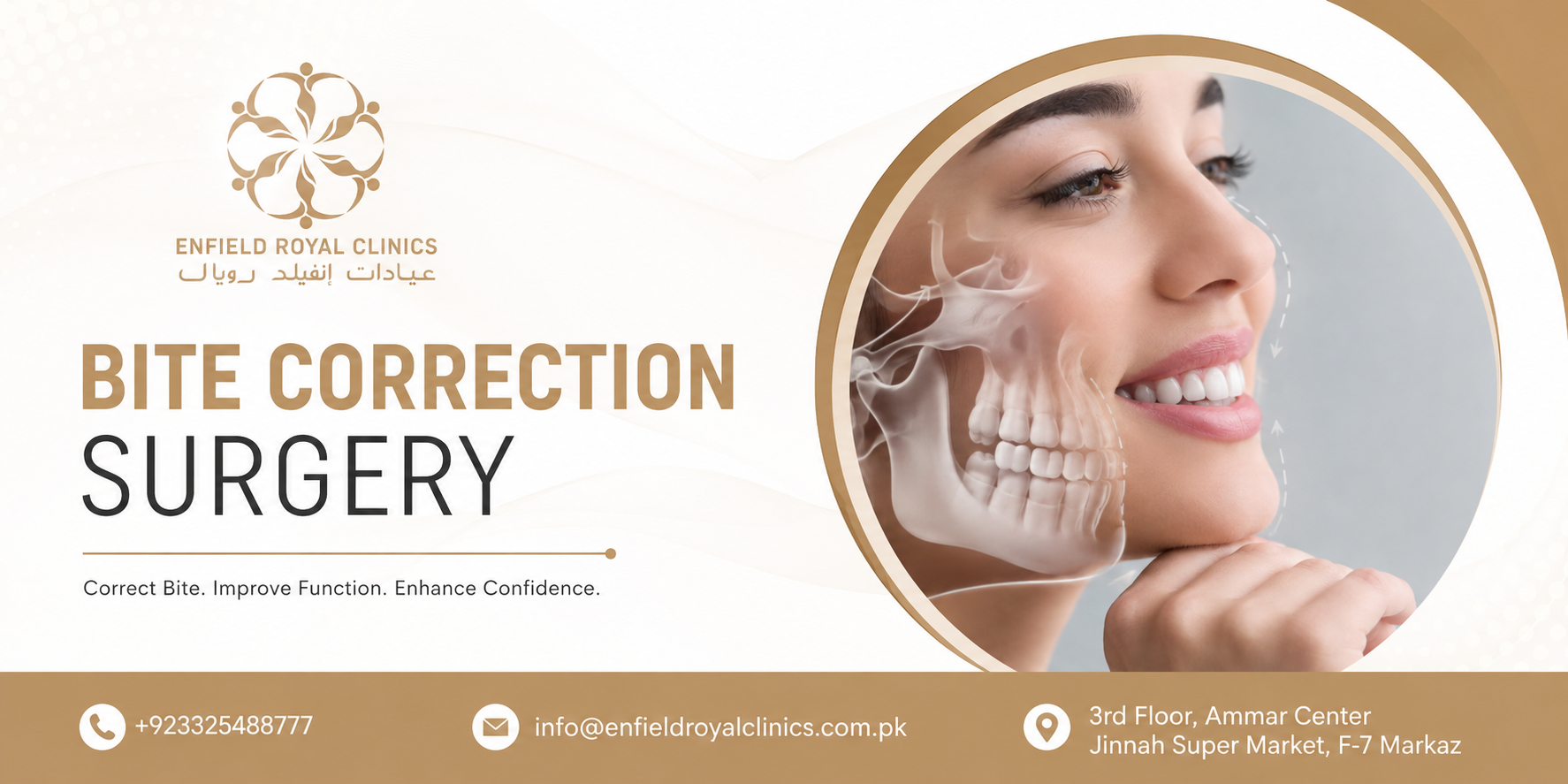
Recovering from jaw surgery requires patience, proper aftercare, and regular follow-up. Patients considering Bite Correction Surgery often want to know what they will experience after the procedure, how quickly they can return to normal activities, and when they can expect their bite to feel comfortable again.
Recovery is different for every patient because the extent of surgery, individual healing response, general health, and treatment plan can all influence the process. Understanding the typical recovery stages can help patients prepare and follow their surgical team's instructions more confidently.
What Happens Immediately After Surgery?
After Bite Correction Surgery, patients are monitored as they recover from anesthesia. The medical team checks their condition and provides instructions for managing discomfort, swelling, diet, and oral hygiene.
Swelling and facial tightness are common during the early period. Some patients may also experience bruising, jaw stiffness, tiredness, or temporary changes in sensation.
The initial period is mainly focused on rest, monitoring, hydration, and making sure the patient can follow the recommended postoperative plan.
Is Swelling Normal During Recovery?
Yes. Swelling is one of the most common effects after corrective jaw surgery. It can temporarily change the appearance of the face and make the jaw feel tight.
Swelling is often more noticeable during the early recovery period before gradually decreasing. Bruising may also occur.
Patients should follow their surgical team's instructions regarding positioning, activity, medication, and other measures recommended to support recovery.
If swelling suddenly becomes worse or is accompanied by concerning symptoms, the patient should contact their healthcare provider promptly.
What Can You Eat After Surgery?
Eating can be challenging during the early stages because the jaw needs time to heal. Depending on the surgical technique and individual instructions, patients may be advised to follow a liquid, soft, or modified diet.
Foods should be easy to consume and should not place unnecessary pressure on the healing jaws.
As healing progresses, the surgical team gradually advises when different foods can be introduced. Patients should not return to hard or chewy foods earlier than recommended because the jawbones need sufficient time to stabilize.
How Is Oral Hygiene Maintained?
Keeping the mouth clean is important after Bite Correction Surgery, but normal brushing techniques may need to be modified temporarily.
The surgical team provides specific instructions based on the procedure. These may include recommendations for gentle cleaning, mouth rinses, or other oral hygiene measures.
Good oral hygiene can help support healthy healing and reduce the risk of dental problems during recovery.
Patients should avoid aggressive brushing around sensitive or healing areas unless their healthcare provider says otherwise.
How Much Discomfort Can You Expect?
Some discomfort is expected after major jaw surgery. Patients may experience soreness, pressure, stiffness, or difficulty opening the mouth.
Pain-management medication may be prescribed or recommended according to the patient's needs. It is important to use medication exactly as directed and discuss any concerns with the healthcare team.
Discomfort generally becomes easier to manage as the early recovery period progresses, although healing continues for much longer than the first few days.
When Does Normal Activity Resume?
Returning to normal activities should happen gradually. Patients may need time away from work, education, or physically demanding activities depending on the extent of their surgery.
Light daily activities may be resumed according to the surgeon's advice, but strenuous exercise and activities that could place pressure on the jaw should be avoided until the surgical team confirms they are safe.
Even when a patient feels better, the jawbones may still be healing internally.
How Long Does Initial Recovery Take?
Initial recovery after Bite Correction Surgery generally takes several weeks. During this time, swelling gradually decreases, eating becomes easier, and normal daily activities can slowly resume.
However, complete bone healing takes longer. Patients should continue following their surgeon's instructions even after they feel comfortable.
The recovery timeline varies depending on whether one jaw or both jaws were treated and whether additional procedures or orthodontic treatment are involved.
What Happens to the Bite During Recovery?
The bite may feel different immediately after surgery because the jaws have been repositioned. Swelling and muscle stiffness can also affect how the teeth feel when they come together.
As healing progresses, the bite generally becomes more comfortable and stable.
Orthodontic treatment may continue after Bite Correction Surgery to make final adjustments to tooth positioning. Regular appointments help the dental and surgical team monitor the developing bite.
When Will the Final Results Be Visible?
Patients should not expect the final result immediately. Swelling can temporarily hide the changes created by surgery.
As the swelling decreases and healing progresses, the facial profile and bite become easier to evaluate. Deeper bone healing continues beyond the initial recovery period.
The final appearance and functional result depend on the individual's anatomy, surgical correction, orthodontic treatment, and healing response.
Why Are Follow-Up Appointments Important?
Follow-up appointments are an essential part of recovery. The surgical team uses these visits to check jaw healing, bite alignment, oral health, and any symptoms that may require attention.
If orthodontic treatment is part of the plan, the orthodontist may also monitor tooth movement and make adjustments.
Patients should attend scheduled appointments even if they feel that their recovery is progressing normally.
What Should You Avoid During Recovery?
Patients recovering from Bite Correction Surgery may need to avoid activities that could interfere with healing.
Depending on their individual instructions, this may include:
- Hard or chewy foods
- Heavy physical activity
- Contact sports
- Smoking or tobacco use
- Excessive pressure on the jaw
- Ignoring prescribed medications or follow-up visits
Specific restrictions vary, so patients should follow the instructions provided by their own healthcare team.
When Should You Contact Your Surgeon?
Some swelling and discomfort are expected, but unusual or worsening symptoms should be discussed with the surgical team.
Patients should seek professional advice if they experience symptoms that are unexpected, severe, or different from the instructions they were given.
Prompt communication allows the healthcare team to determine whether additional assessment or treatment is necessary.
Final Thoughts
Recovery after Bite Correction Surgery is a gradual process that involves managing swelling and discomfort, following dietary and oral hygiene instructions, attending follow-up appointments, and allowing the jawbones enough time to heal.
Most patients progress through recovery in stages rather than returning to normal immediately. Patience is important because the initial healing period is only one part of the overall treatment journey.
A qualified dental and surgical team can provide personalized recovery instructions based on the type of surgery performed and the patient's individual needs.
For more information visit Enfield royal clinic in islamabad
Kategorien
Mehr lesen
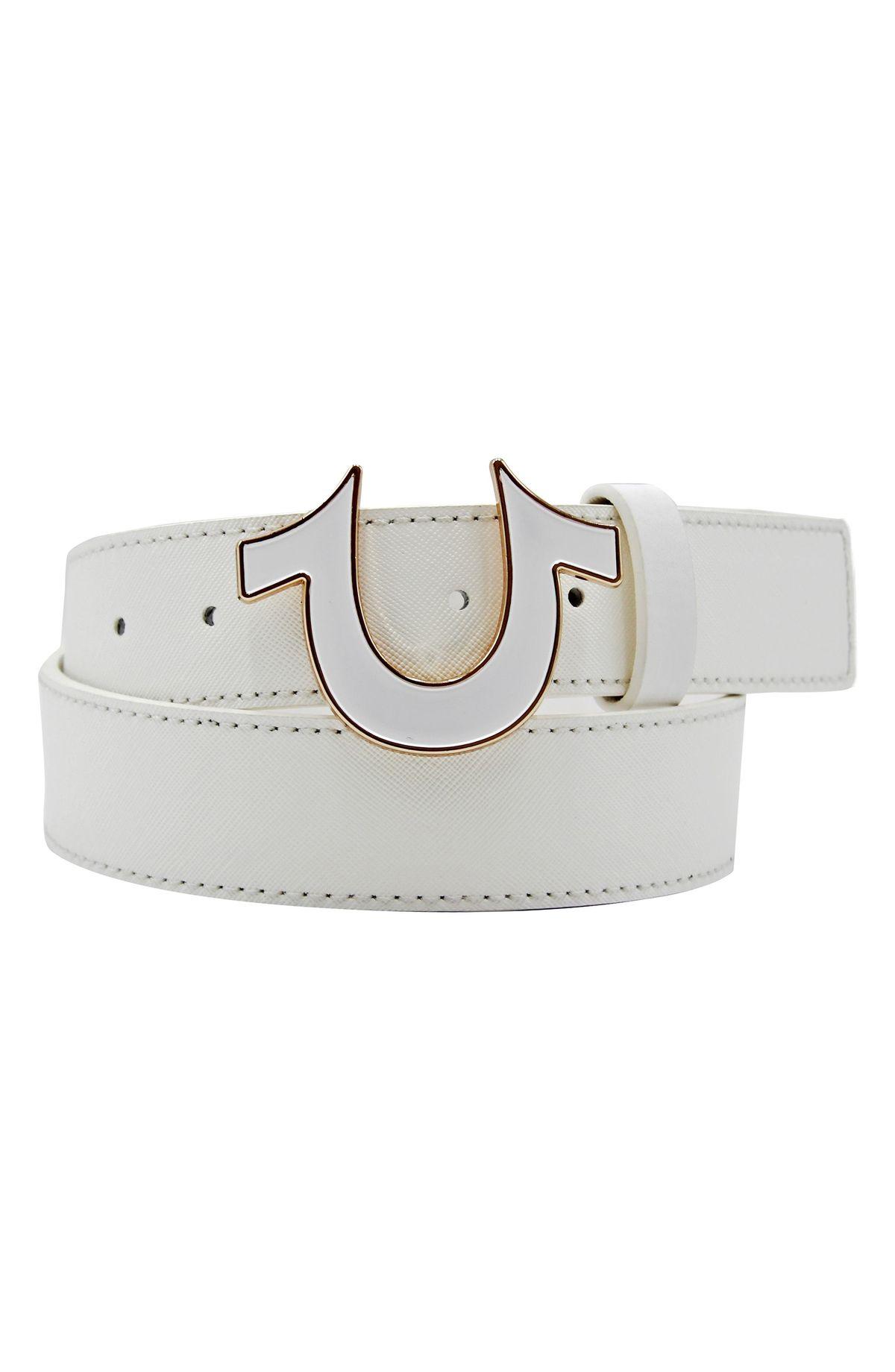
A belt that stays in place all day is something most people want but rarely find. True Religion has built a name for itself in the fashion world and their belts are one of the most talked about accessories in their lineup. If you have ever worn a belt that kept slipping or loosening up every few hours you know how frustrating that feels. The True Religion belt is designed to stay tight and firm...
Transforming an ordinary residential property into an extraordinary, functional sanctuary requires a seamless blend of creative vision, rigorous financial planning, and disciplined execution. Whether you have recently purchased a fixer-upper or simply want to breathe new life into your long-term residence, diving into a dedicated home improvement blog provides endless inspiration,...

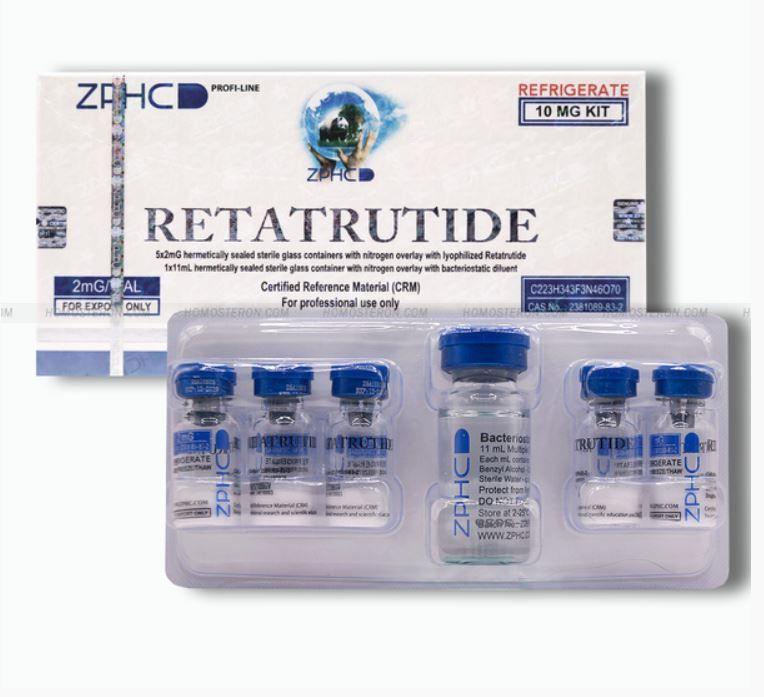
El manejo del peso corporal continúa siendo un área de gran interés dentro de la investigación médica. En los últimos años, los avances en terapias basadas en hormonas metabólicas han generado nuevas expectativas para comprender cómo el organismo regula el apetito, la energía y el almacenamiento de grasa. Entre las...
Best NDA Coaching in Sikar Rajasthan India Every year, thousands of students dream of wearing the Indian Army, Navy, or Air Force uniform. They prepare for the UPSC NDA examination with dedication, but many soon realize that hard work alone is not enough. Success in NDA depends on proper guidance, disciplined preparation, regular practice, physical fitness, and SSB personality development. This...

In the competitive world of retail and food service, creating an attractive product display is essential for increasing customer engagement and driving sales. From supermarkets and convenience stores to cafés, restaurants, hotels, and beverage shops, commercial refrigeration plays a key role in presenting chilled products effectively. A high-quality display fridge glass door is an...