


Mastering Fireground Tactics: The Definitive Role of Modern Thermal Imaging
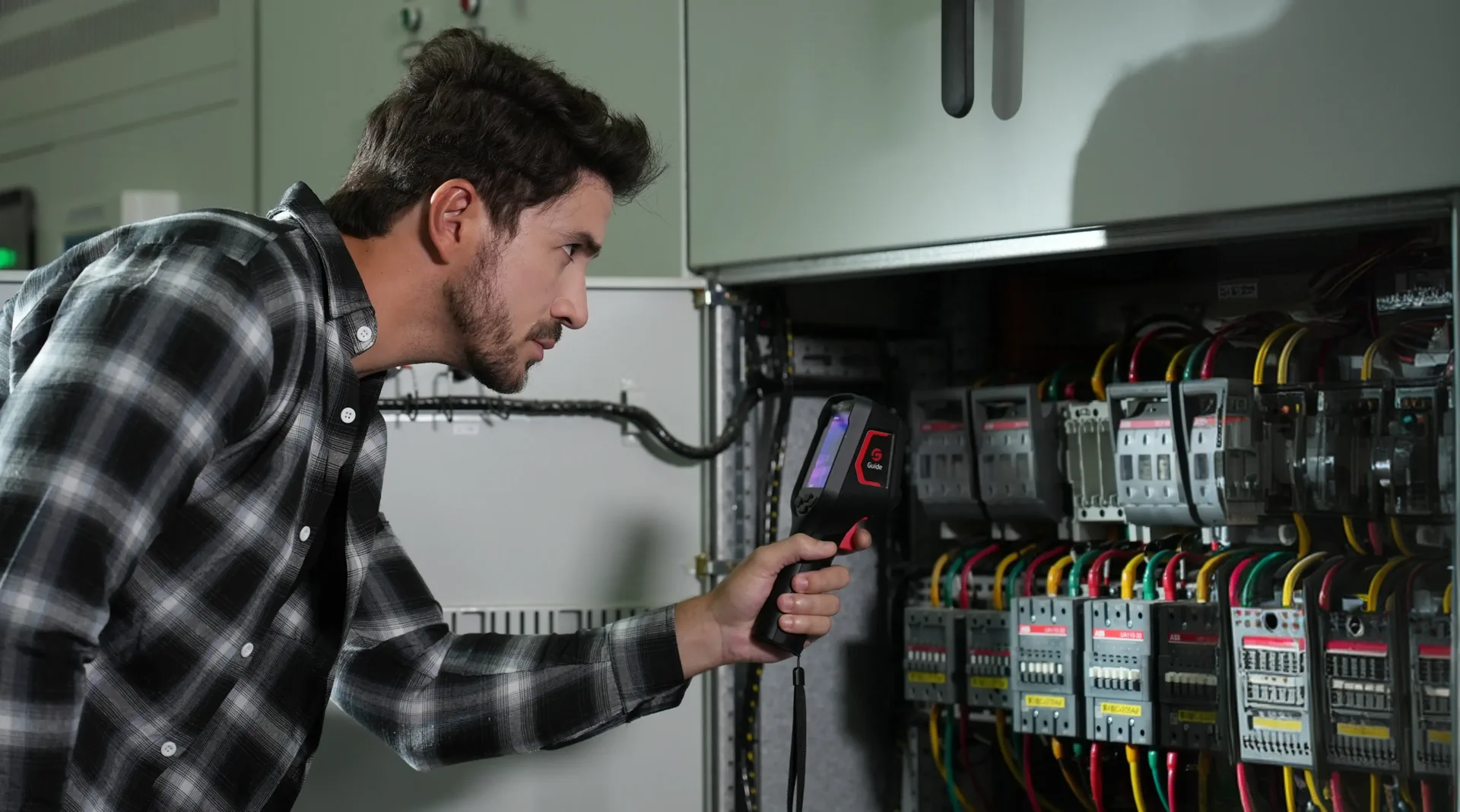
Firefighting is an unrelenting discipline that demands absolute bravery, split-second decision-making, and specialized equipment. When an interior structure fire ignites, thick plumes of smoke rapidly cascade through hallways, suffocating natural light and plunging rescue teams into absolute zero-visibility conditions. In these perilous moments, standard flashlights are rendered virtually useless against dense particulate backscatter. This critical challenge prompts many command staff and tactical personnel to ask: is thermal camera useful for firefighters?
The definitive answer is that thermal imaging has fundamentally transformed interior structural firefighting. By translating invisible infrared radiation into crisp, real-time visual displays, these high-tech tools pierce through smoke, reveal hidden thermal threats, and dramatically accelerate rescue operations. This in-depth analysis explores the engineering principles, tactical applications, and technological advancements that make thermal imaging an indispensable asset on the modern fireground.
The Scientific Foundation of Infrared Detection
To fully appreciate the value of thermal technology, one must understand how thermal cameras interact with their surroundings. According to the laws of physics, every physical object with a temperature above absolute zero emits thermal radiation. While the human eye can only detect a narrow band of the visible light spectrum, thermal cameras are engineered to capture infrared energy across longer wavelengths.
During a structural fire, smoke and superheated gases absorb and scatter standard visible light. However, infrared wavelengths easily bypass much of this suspended particulate matter. By capturing this radiation, microbolometer sensors inside the camera convert thermal data into a detailed temperature map displayed on an LCD monitor.
Key Components of Thermal Interpretation
Operating a thermal camera effectively requires a solid understanding of how different materials interact with heat.
-
Radiometric Calibration: Advanced cameras measure absolute temperatures across every pixel, giving responders precise data regarding surface heat levels.
-
Emissivity Variances: Different building materials—such as unfinished wood, painted drywall, glass, and polished metal—emit thermal energy differently, influencing how images appear on screen.
-
Thermal Stratification: Hot gases naturally rise and pool near the ceiling. Observing this layering helps crews anticipate flashover conditions before structural integrity fails.
Executing High-Speed Search and Rescue Operations
When seconds separate life from tragedy, efficiency is paramount. Conducting a primary search in an unfamiliar, smoke-choked building is notoriously difficult when relying solely on tactile searching. Thermal imaging revolutionizes this phase by turning a blind, groping search into a rapid visual sweep.
Responders can scan an entire room in seconds, picking up distinct heat signatures emitted by human bodies or localized fire sources hidden behind interior clutter.
Strategic Search Advantages
Deploying thermal optics during interior sweeps drastically reduces search times and enhances victim survivability.
"Thermal imaging replaces guesswork with absolute visual certainty, allowing rescue squads to locate and extract victims from hazardous environments with unprecedented speed."
-
Isolating Human Signatures: Body heat creates an immediate contrast against cooler walls and furniture, even when victims are partially obscured by debris.
-
Locating Egress Points: Tracing the temperature differences around windows and exterior doors helps disoriented crews establish rapid escape routes.
-
Identifying Thermal Anomalies: Spotting unusual heat patterns underfoot or behind walls warns operators of compromised flooring or hidden voids.
Streamlining Operations with Ergonomic Simplicity
Firefighters operate in extreme environments while encumbered by heavy protective gear, self-contained breathing apparatus units, and thick thermal gloves. This heavy equipment severely limits dexterity and fine motor control. Consequently, complex electronics featuring intricate button configurations or deep menu trees are completely impractical on an active fireground.
To combat operational friction, departments increasingly specify a thermal camera with one-button operation for firefighters. Streamlined engineering ensures that operators can manipulate power states, freeze frames, or switch viewing modes instantly without fumbling through complicated interfaces.
The Impact of Simplified Hardware Design
Reducing cognitive load during high-stress structural fires keeps the focus where it belongs: on crew safety and tactical execution.
-
Glove-Friendly Mechanics: Oversized, tactile buttons allow seamless operation regardless of bulky personal protective equipment.
-
Instantaneous Response: Eliminates the delay of navigating digital sub-menus during rapidly evolving thermal emergencies.
-
Lower Training Overheads: Intuitive controls accelerate the onboarding process, allowing rookie and veteran firefighters to build reliable muscle memory quickly.
Elevating Visual Fidelity Through Advanced Image Enhancement
While standard thermal sensors cut through smoke remarkably well, extreme scenarios involving dense steam, heavy aerosols, and uniform heat dispersion can occasionally soften image contrast. To overcome these limitations, modern engineering integrates sophisticated software algorithms to refine data output.
Integrating a firefighter thermal camera with image enhancement takes situational awareness to an elite tier. These systems process raw sensor data dynamically, sharpening object edges, reducing visual noise, and elevating contrast between extreme hot spots and cooler background elements.
How Image Processing Maximizes Safety
Advanced digital processing ensures that subtle structural details remain visible even during intense thermal stress events.
-
Edge Detection Algorithms: Clearly outlines door frames, stair treads, and structural pillars to prevent dangerous trip-and-fall hazards.
-
Dynamic Range Balancing: Prevents screen washout by smoothing out extreme temperature spikes in active fire zones.
-
High Refresh Rates: Delivers fluid, lag-free video feeds that eliminate motion blur during rapid tactical movements.
Overhaul, Investigation, and Post-Fire Safety
The utility of a thermal camera extends far beyond the initial knockdown phase. During overhaul—the meticulous process of checking for hidden embers and smoldering materials—thermal devices prove indispensable.
Fires frequently burrow into wall cavities, drop ceilings, and insulation layers, creating ticking time bombs that can easily rekindle hours after departure. Thermal cameras allow investigators and overhaul crews to scan every square inch of a structure rapidly, locating residual heat pockets with pin-point accuracy. This targeted approach prevents unnecessary property damage caused by tearing down walls indiscriminately while ensuring absolute extinguishment.
Conclusion
Thermal imaging technology has evolved from an experimental novelty into an absolute cornerstone of modern firefighting strategy. By integrating user-friendly designs, robust construction, and advanced image enhancement algorithms, fire departments can drastically improve interior safety, operational speed, and victim survival rates. Investing in dependable, high-performance thermal equipment ensures that first responders can face the darkest, most hazardous environments with absolute clarity and confidence.
Frequently Asked Questions
How do thermal cameras assist in rapid intervention team (RIT) operations?
RIT teams use thermal cameras to locate downed or trapped firefighters by scanning structural layouts and tracking the specific thermal signature of bunker gear through heavy smoke and debris.
Can thermal cameras measure exact temperatures from a distance?
Yes, radiometric thermal cameras capture temperature data for every pixel on the screen, allowing operators to measure surface temperatures accurately from a safe standoff distance.
What causes thermal images to look washed out during intense fires?
When ambient temperatures inside a room spike uniformly, the contrast between objects decreases, causing the camera to compress its color scale and temporarily wash out fine details until dynamic range compensation adjusts.
How should a firefighting thermal camera be cleaned after a call?
Units should be gently wiped down with a soft cloth and mild soapy water to remove soot and particulate residue, paying special attention to keep the germanium lens free from scratching.
Are thermal cameras effective in wildland firefighting operations?
Yes, wildland firefighters use handheld and drone-mounted thermal cameras to track fire perimeters, locate hot spots through heavy brush, and monitor smoldering root systems during mop-up operations.
Κατηγορίες
Διαβάζω περισσότερα
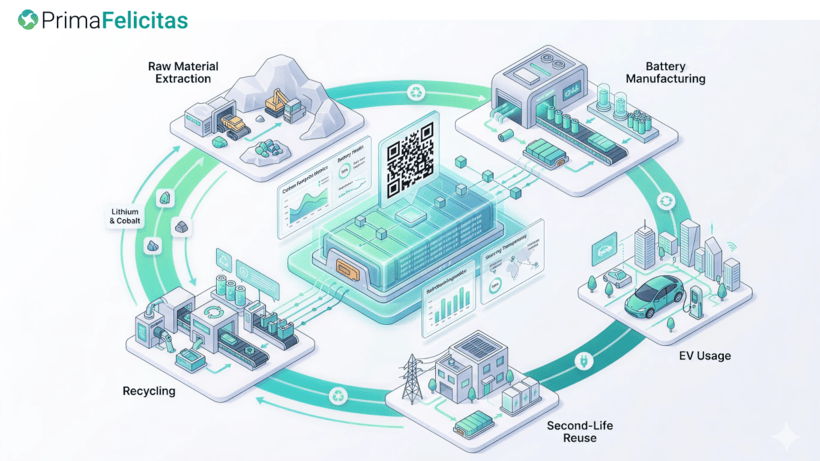
The global transition toward electric vehicles (EVs), renewable energy storage, and sustainable manufacturing has dramatically increased the demand for advanced battery technologies. As battery production scales across industries, manufacturers, suppliers, recyclers, and regulators face growing pressure to ensure transparency, traceability, and compliance throughout the battery...
Healthy and glowing skin requires consistent attention, but modern lifestyles often create challenges that affect skin quality. Exposure to pollution, sunlight, stress, and environmental changes can make the skin appear dull, dehydrated, and uneven. These concerns encourage many people to explore advanced skincare treatments that provide deeper improvement than regular routines. One of...

One of the first questions many patients ask before undergoing cosmetic surgery is how much the procedure will cost. While pricing is an important consideration, it is equally important to understand what contributes to the overall cost of treatment. If you are researching lip reduction in islamabad, knowing the factors that influence pricing can help you make an informed decision....

Termites are among the most destructive pests that can silently damage homes, offices, commercial buildings, and wooden furniture. Many property owners only discover an infestation after significant structural damage has already occurred. If you're looking for reliable termite services in Lahore Pakistan, choosing an experienced company is essential for long-lasting protection. At Markhor...
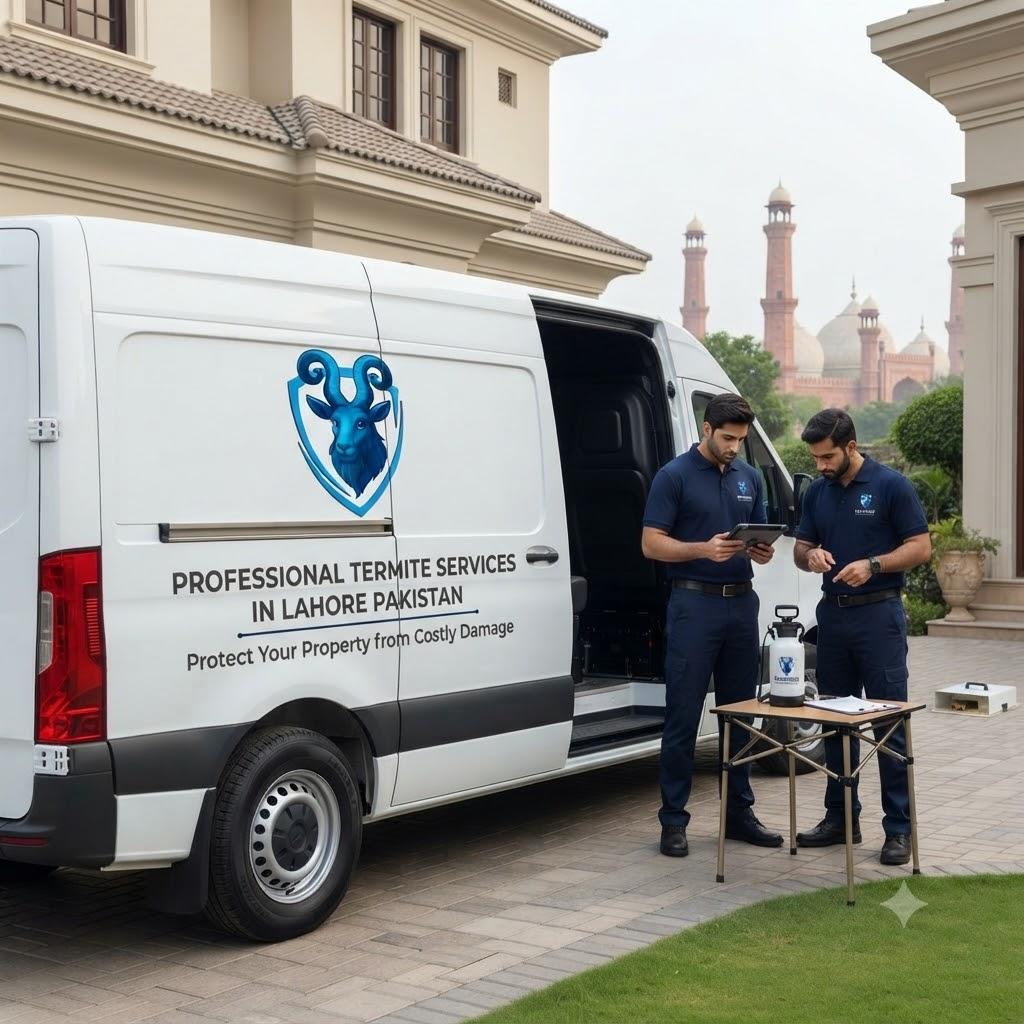
Dengue has become one of the most serious public health concerns in Lahore, Pakistan, especially during the monsoon and post-rainy seasons. The disease spreads through the bite of infected Aedes mosquitoes, which breed in clean, stagnant water around homes, offices, schools, and commercial buildings. Preventing mosquito breeding and controlling their population is the most effective way to...