

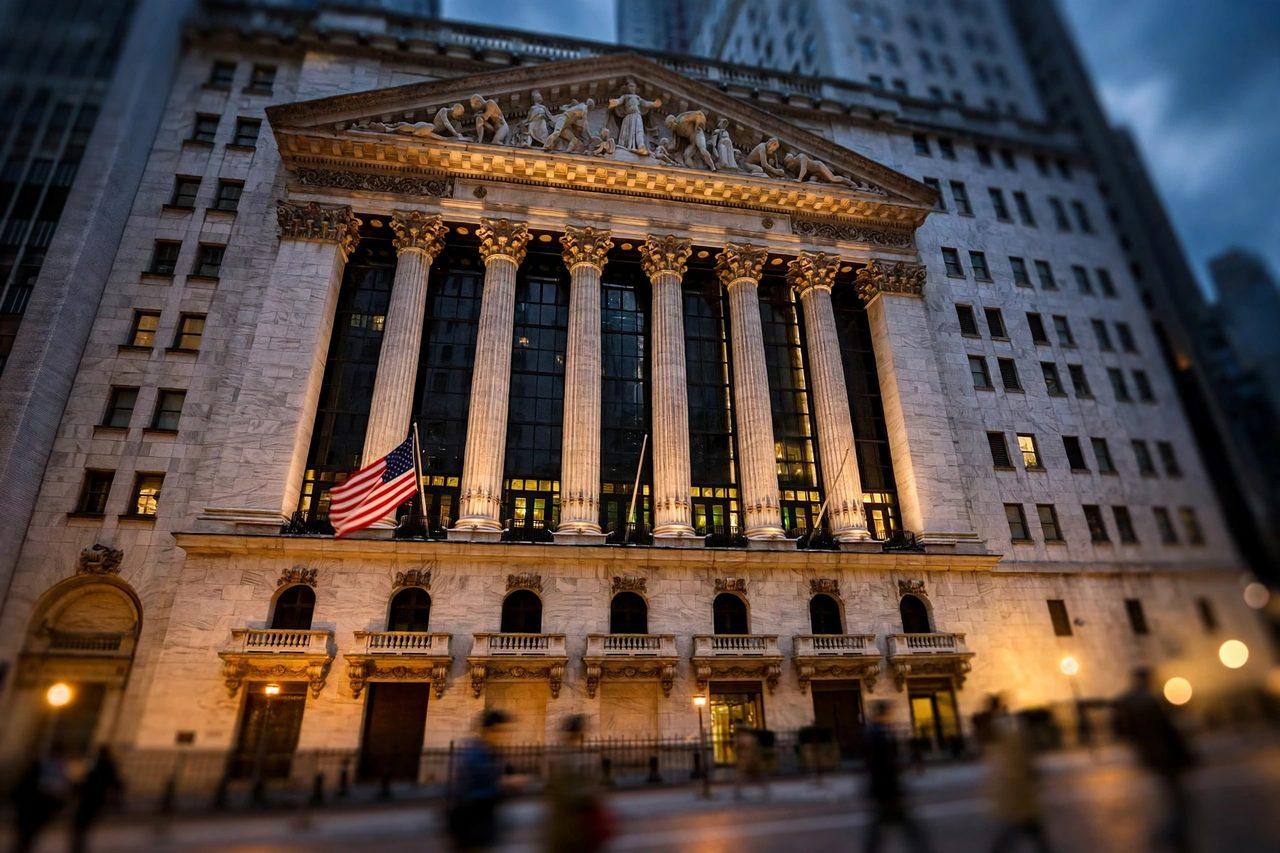
Nasdaq Rebounds on a Hot Jobs Report — But Still Posts Its Worst Week Since June

Wall Street got its bounce on Friday — and still finished one of its worst weeks of the year. The Nasdaq Composite jumped 1.09% on Friday, November 6, powered by a furious rebound in chip stocks, after a red-hot October jobs report. But the rally could not erase the damage: the Nasdaq still lost 3.37% for the week, and the S&P 500 fell 2.68%, its worst week since June.
It was a week that told two stories at once — a market still scared of an AI slowdown, and an economy still too strong for the Federal Reserve to ignore.
The jobs report that changed the rate picture
The October employment report, released at 8:30 a.m. ET on Friday, smashed forecasts. US nonfarm payrolls rose by 165,000 jobs in October, against a consensus of just 59,000 — nearly triple what economists expected. The unemployment rate fell to 4.1% from 4.2%, and the previous two months were revised up by a combined 84,000 jobs. Average hourly earnings rose 0.4% in the month to $38.00, up 3.1% year on year, and the labour force grew by 421,000 people.
The numbers were strong in almost every direction — and that is exactly what worried the bond market. A resilient labour market gives the Fed more room to focus on inflation, and traders immediately raised their bets on a December rate hike. The CME FedWatch tool put the odds of a quarter-point increase at the Fed's December 8–9 meeting at roughly 76–78%, up from about 70% before the report. The 10-year Treasury yield ended Friday at 4.859%, and the 2-year yield rose to 4.52%.
San Francisco Fed President Mary Daly added to the hawkish tone, saying further hikes will likely be needed. Pimco economist Tiffany Wilding said the employment report did not change her view that the Fed may raise rates in December — and that a March increase is also possible.
 Friday's split: chips soar, the Dow lags
The market reaction on Friday was split down the middle. The Nasdaq Composite led the rebound, closing at 24,579.42, while the S&P 500 gained 0.94% to close at 7,376.86. The Dow Jones Industrial Average, weighed down by rate-sensitive stocks, fell 0.46% on the day.
The star of the session was Nvidia, which surged 5.6% as semiconductor stocks recovered from Thursday's rout. The semiconductor index advanced 4.6%, with chipmakers leading the bounce after one of the steepest technology selloffs in years.
That split — tech up, old economy down — is the story of this market right now. Higher yields hurt the Dow's rate-sensitive members, while the Nasdaq's chip names were simply too beaten down to stay down after Thursday's plunge.
The week in numbers
Friday's bounce only looks good until you zoom out. The week that ended November 6 was brutal:
- Nasdaq Composite: -3.37% for the week, after Thursday's -5.52% plunge — its worst single day in months
- S&P 500: -2.68% for the week, its worst week since June, after Thursday's -4.36% drop
- Dow Jones: -0.46% on Friday alone, after losing more than 1,800 points on Thursday
- Nvidia: +5.6% on Friday, leading a +4.6% semiconductor rebound
- 10-year Treasury yield: 4.859% at Friday's close, up on the week
- December Fed hike odds: ~76–78%, up from ~70% before the jobs report
Thursday's selloff was driven by fears that new rules could slow the AI data-centre buildout — the same spending boom that has powered the market all year. Friday's jobs data then added a second worry: a Fed that may hike again in December. The market bounced anyway, because after a 5.5% one-day fall, buyers stepped in. But one good day does not make a trend.
What the jobs report means for investors
The October jobs report matters for three reasons. First, it kills the idea that the labour market is cracking — 165,000 jobs against a 59,000 forecast is a decisive beat, and the upward revisions say the summer was stronger than first reported. Second, it keeps a December hike firmly on the table, which caps how far stocks can rally while yields rise. Third, it splits the market: growth and chips can bounce on their own momentum, but rate-sensitive value stocks face a headwind.
For readers in Pakistan, India and Bangladesh watching US markets, the practical takeaway is simple: the Fed's December 8–9 meeting is now the single most important date on the calendar. A hike would strengthen the dollar and pressure emerging-market flows; a hold would let the rebound breathe. The next jobs report lands December 4, five days before the decision.
Our full coverage of the jobs numbers themselves is in the October NFP results blog, and if you want to understand how to read these reports yourself, start with our guide How to Read the US Jobs Report. For the day the rout began, see our report on the November 5 Nasdaq selloff.
 What to watch next
The calendar now runs straight at the Fed. Fed officials speak through the coming week, the December 4 jobs report is the last big data point before the decision, and the December 8–9 meeting will settle the hike question. Watch the 10-year yield — if it pushes back above 4.9%, the Dow's pain is likely to continue. Watch Nvidia and the semiconductor index — if the chip bounce holds, the Nasdaq has a floor. And watch the S&P 500's 7,322 level, its 200-day average: below it, the long-term trend breaks.
FAQ
Why did stocks rise on a jobs report that makes a rate hike more likely? Because the market had just fallen 5.5% in a day. Chip stocks were oversold, buyers stepped in, and a strong economy is also good news for corporate earnings. The rate worry capped the rally — the Dow still fell — but it did not stop the bounce.
How bad was the week, really? The Nasdaq lost 3.37% and the S&P 500 lost 2.68%, its worst week since June. Thursday alone wiped out months of gains in a single session. Friday's rebound recovered only a fraction of it.
What are the odds of a December Fed hike now? Roughly 76–78% for a quarter-point increase at the December 8–9 meeting, according to the CME FedWatch tool — up from about 70% before the jobs report.
Why did the Dow fall while the Nasdaq rose? Higher Treasury yields hurt rate-sensitive Dow members, while the Nasdaq was led by a rebound in oversold chip stocks. It was a split session, not a broad rally.
Where can I follow US markets? Follow the Zimbuck News page and join the discussion in the Zimbuck Market News group. The jobs data comes from the US Bureau of Labor Statistics; market reaction details are covered in Reuters' report.
This is market news and general information only, not financial advice. Join the conversation on Zimbuck — the finance social platform for traders and investors: https://zimbuck.com




