

What Makes Printed Eco-Friendly Packaging Worth the Investment
Eco-friendly packaging on its own tells customers a brand cares about the planet. Printed eco-friendly packaging tells them that and shows them exactly who's behind it, with a level of polish that plain, unbranded boxes simply can't match. For a lot of small and mid-size brands, the decision to invest in custom printing on sustainable materials feels like a stretch — it costs more up front than a stock box, and the return isn't always obvious on a spreadsheet. But when you look at what printed eco-packaging actually does across branding, customer experience, and long-term cost, the investment tends to pay for itself in ways that are easy to underestimate.
This article breaks down what "printed eco-friendly packaging" really involves, why it's worth the added cost for most growing brands, and how to invest in it without overspending.
What Printed Eco-Friendly Packaging Actually Is
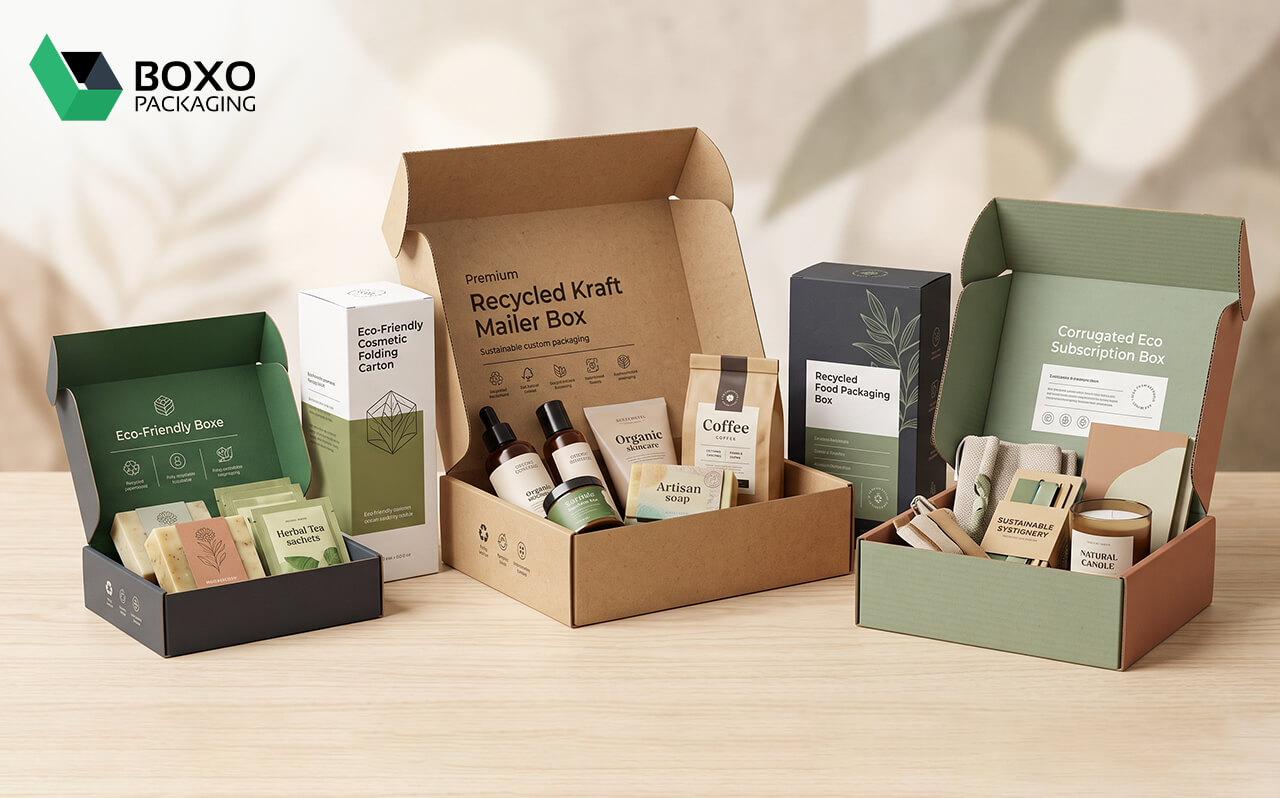
At its core, this is packaging built on sustainable materials — recycled kraft, FSC-certified paperboard, molded pulp, and similar options — that also carries custom printing: logos, colors, patterns, messaging, or illustration, rather than a plain, unbranded surface. It sits at the intersection of two things brands often treat as separate decisions: sustainability and branding. Done well, it doesn't force a trade-off between the two.
The printing itself matters as much as the material. Water-based and soy-based inks, along with techniques like letterpress, embossing, and foil stamping, allow for strong branding without compromising the recyclability or compostability of the base material the way some plastic-heavy coatings or laminates would.
Why the Investment Pays Off
It Turns Packaging Into a Marketing Asset
Unprinted eco packaging protects the product. Printed eco packaging sells the brand while it does it. Every box that leaves your warehouse becomes a small, physical piece of marketing — sitting on a customer's doorstep, appearing in unboxing videos, getting reused as storage, or simply making an impression before the product inside is even seen. For brands without a large ad budget, this kind of built-in, repeated exposure is hard to replicate any other way for the cost.
It Builds Trust Faster Than Words Can
There's a credibility gap between a brand that says it's sustainable and one whose packaging visibly demonstrates it — visible kraft texture, a clearly printed recycling or compostability mark, minimal plastic. Printed eco packaging closes that gap immediately, before a customer reads a single word of marketing copy. It's proof, not a promise, and customers tend to trust proof more.
It Improves the Unboxing Experience
A well-designed printed box signals that a brand paid attention to every part of the customer journey, not just the product itself. That attention shows up in reviews, repeat purchases, and word of mouth. Compare a plain, unmarked shipping box to one with a clean logo, a tasteful color accent, or a short printed thank-you — the product inside might be identical, but the perceived value of the second experience is almost always higher.
It Reduces the Need for Extra Packaging Elements
Custom printing can absorb jobs that would otherwise require separate materials — a printed thank-you message replaces an inserted card, a printed care instruction replaces a separate paper insert, a branded pattern replaces the need for tissue paper or stickers just to make a box feel finished. Fewer separate components means less material overall, which works in favor of both cost and sustainability.
It Scales Brand Recognition as You Grow
Early on, a small brand might get away with generic packaging because customers are buying based on word of mouth or a personal recommendation. As a brand scales into retail shelves, marketplaces, or a wider customer base with less personal context, recognizable packaging becomes one of the fastest ways to build familiarity. Printed eco packaging lets that recognition grow alongside the brand's sustainability story, instead of the two competing for attention.
It Can Actually Lower Long-Term Costs
This one surprises people. Printed packaging that's designed to also serve as the primary branding surface can reduce spending elsewhere — less need for printed marketing inserts, promotional stickers, separate branded tissue paper, or additional unboxing elements. When a single well-designed box does several jobs at once, the added print cost per unit is often offset by what a brand no longer needs to buy separately.
What Drives the Cost of Printed Eco-Friendly Packaging
Understanding what actually adds cost helps brands invest where it counts instead of overspending across the board.
Number of print colors. Each additional ink color typically adds cost, which is part of why so many eco-brands settle on one or two colors rather than full-color printing.
Printing technique. Simple flat printing is the most affordable option. Foil stamping, embossing, and debossing cost more but add a premium, tactile feel that flat printing can't replicate.
Order volume. Custom print runs usually carry setup costs that are spread across the order, so cost per unit drops significantly at higher volumes — this is where matching order size to actual sales velocity really matters for small brands.
Material grade and weight. Heavier, higher-quality kraft or recycled board costs more than thinner stock, but also holds print detail better and feels sturdier in hand.
Box complexity. Simple fold-top or mailer-style boxes cost less to produce than boxes with custom die-cuts, inserts, or multiple panels.
How to Invest Wisely as a Small Brand
Start with one signature box, not a full catalog. Design one flagship printed box well — your primary shipping or retail box — before expanding into custom printing across every SKU or size variant.
Choose print techniques that do more with less. A single foil-stamped logo on unprinted kraft often reads as more premium, and costs less, than a fully printed multi-color box.
Order at a volume that matches real demand. Bulk discounts aren't a saving if a large portion of the order sits unused. Ask suppliers about their minimum order quantities for custom printing and whether smaller, more frequent runs are an option.
Get a physical proof before committing. Printed color and texture can look different on kraft or recycled stock than they do on a screen or a digital mockup — a physical sample avoids expensive surprises.
Ask about combined services. Some packaging suppliers offer design support alongside printing, which can reduce the cost and back-and-forth of working with a separate designer for a first print run.
The Bottom Line
Printed eco-friendly packaging costs more upfront than plain sustainable packaging or conventional printed boxes, but it's doing double duty that neither of those alternatives can match on their own — protecting the product, building trust, marketing the brand, and often reducing the need for extra packaging materials elsewhere. For small and growing brands especially, that combination makes it one of the more efficient places to invest, because the same box is doing the work of packaging, marketing, and sustainability messaging all at once.
FAQs
Is printed eco-friendly packaging significantly more expensive than plain eco packaging? It's more expensive, but the gap is often smaller than expected, especially with simple one- or two-color printing. Costs rise mainly with full-color designs, foil stamping, or very small order quantities rather than printing itself.
Does printing on kraft or recycled materials affect recyclability?
It depends on the ink and finishing used. Water-based and soy-based inks generally don't compromise recyclability, while heavy coatings, laminates, or certain foils can. It's worth confirming with your supplier which printing methods keep the material fully recyclable or compostable.
What's the most cost-effective way to add branding to eco-friendly packaging?
Simple one-color printing, a single stamped logo, or a foil accent on unprinted kraft tends to offer the best balance of cost and visual impact, compared to full-color, multi-panel designs.
How many boxes should a small brand order for a first custom print run?
This depends on sales velocity, but it's generally safer to order a volume you can sell through in a few months rather than chasing the largest bulk discount tier. Many suppliers now offer smaller custom print runs specifically for growing brands.
Can printed eco-friendly packaging be used across different product sizes?
Yes, particularly with adjustable inserts, sleeve-style designs, or a single box size used across similar products. Standardizing where possible reduces both printing and inventory costs.
How long does it typically take to get custom printed eco-packaging produced?
Lead times vary by supplier and order size, but custom printed runs generally take longer than stock packaging due to design proofing and setup. It's worth asking suppliers directly about current lead times, especially around peak seasons.
Categorias
Leia mais
The Drylab Photo Printing Market is rapidly evolving, with significant investment opportunities emerging in various segments. As the market size is anticipated to reach USD 1,628.23 million by 2035, the potential for returns in this sector is substantial. Investors are increasingly drawn to this market due to the promising growth forecast of 6% CAGR. This growth is fueled by...

Healthy skin is an important part of confidence and personal care. However, maintaining a smooth and glowing complexion can become difficult due to pollution, stress, sun exposure, and daily environmental damage. These factors can cause several skin concerns, including dryness, roughness, uneven tone, and clogged pores. Advanced aesthetic treatments now offer effective ways to improve...

Streetwear has become one of the fastest-growing fashion movements in Australia, blending comfort, individuality, and effortless style into everyday wardrobes. At the heart of this evolution is the essentials hoodie, a garment that has quickly become a must-have for fashion-conscious Australians. Known for its clean aesthetic, premium quality, and oversized fit, the Essentials Hoodie has...
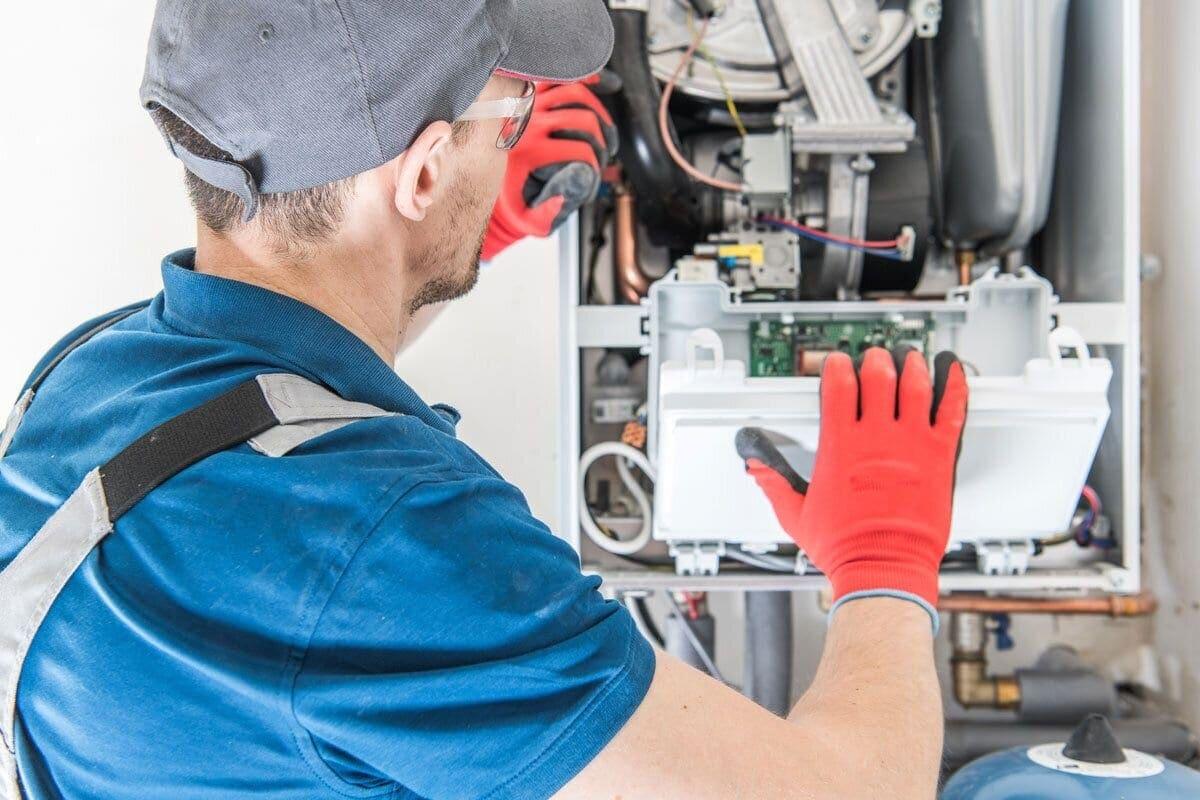
A home's heating system plays a vital role in maintaining comfort during colder months, but its performance depends heavily on proper maintenance. Over time, dust, dirt, and debris can accumulate inside the furnace, reducing efficiency and affecting indoor air quality. Choosing furnace cleaning Scarborough helps homeowners maintain a cleaner, more efficient heating system while supporting...
At Win Express Logistics, we provide comprehensive moving and packing solutions designed to make your relocation smooth, safe, and stress-free. Our experienced team handles every aspect of the moving process, from professional packing and secure transportation to unloading and setup at your new location. Whether you are relocating your home, villa, apartment, office, or commercial space, we...