

How Bakery Packaging Wholesale Helps Reduce Costs
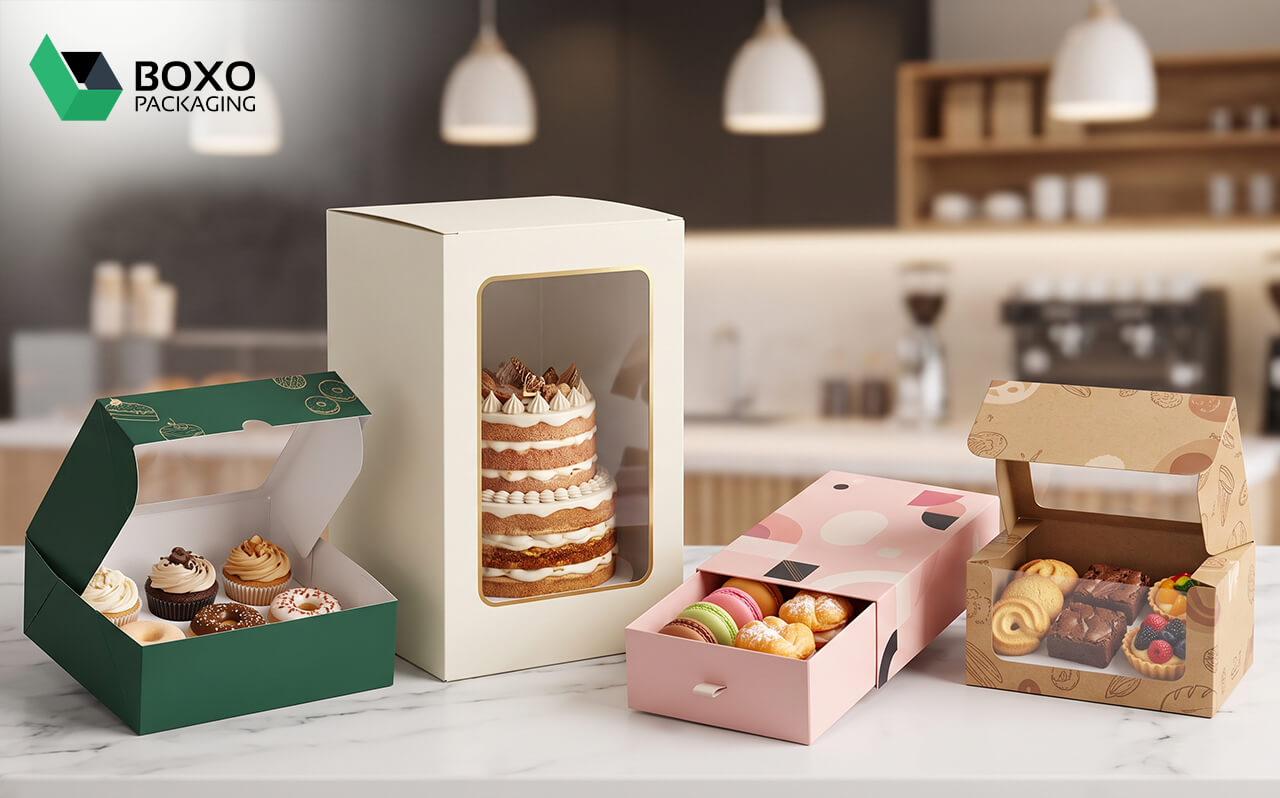
Running a bakery — whether it's a single storefront or a growing wholesale operation — means margins are tight almost everywhere you look. Flour, butter, and labor costs shift constantly, and packaging is often one of the few line items a bakery owner can actually control. Buying bakery packaging wholesale, rather than in small retail batches, is one of the simplest ways to bring that cost down without touching the recipe or the product quality customers actually taste.
This article looks at how wholesale bakery packaging actually saves money, what to watch out for, and how to buy smart even if you're not yet producing at a large scale.
Why Wholesale Pricing Works the Way It Does
Packaging suppliers price based on volume because larger orders spread fixed costs — machine setup, print plates, material sourcing — across more units. A print run of 500 boxes carries almost the same setup cost as a run of 5,000, which means the cost per box drops sharply as volume increases. Buying wholesale lets a bakery take advantage of that pricing structure instead of paying retail-level markups on small, frequent orders.
Where the Real Savings Come From
Lower Cost Per Unit
This is the most obvious saving, and often the largest. Boxes, bags, liners, and clamshells bought in bulk can cost a fraction of what the same items cost individually or in small retail packs. For a bakery going through hundreds or thousands of boxes a month, that difference adds up quickly.
Fewer, Larger Shipments
Ordering wholesale usually means fewer total orders per year, which reduces shipping costs, since freight pricing also benefits from volume. It also cuts down on the administrative time spent placing and tracking frequent small orders — time that's worth something too, even if it doesn't show up as a direct expense.
Price Stability
Locking in a bulk order, or a standing wholesale agreement, protects a bakery from short-term price swings in paper, board, or shipping costs. That predictability makes it much easier to plan menu pricing and margins months in advance, instead of adjusting every time packaging costs tick up.
Less Waste From Mismatched Packaging
Bakeries that buy small, ad hoc batches of packaging sometimes end up with a mismatched mix of box sizes and styles, leading to wasted space, extra filler, or boxes that don't quite fit the product. Buying wholesale encourages a bakery to standardize around a smaller set of well-chosen sizes, which reduces both material waste and the mental overhead of managing packaging inventory.
Better Access to Custom Options
Custom printing, branded boxes, and specialty materials like grease-resistant liners or window boxes often become financially realistic only at wholesale volumes. Retail-level ordering rarely allows for the kind of branding investment that makes a bakery's packaging memorable, simply because the minimum order quantities for custom work sit above what small retail buying supports.
What to Watch Out for When Buying Wholesale
Buying in bulk isn't automatically the cheaper choice — it only pays off when the volume matches actual need. A few things worth thinking through before committing to a large order:
- Storage space. Bulk packaging takes up real physical space, and cramped storage can lead to damaged boxes or a cluttered, inefficient workspace.
- Shelf life of materials. Some packaging, especially anything with printed branding tied to a seasonal promotion or a product that changes often, can go stale before it's used if ordered too far ahead.
- Sales forecasting accuracy. Ordering based on hoped-for growth rather than realistic sales volume is one of the most common ways bakeries end up with excess, unused inventory.
- Supplier reliability. A lower price doesn't help if the supplier has long lead times or inconsistent quality — it's worth weighing cost against dependability, especially for a business that can't afford packaging delays around holidays or peak orders.
A reasonable rule of thumb: order wholesale volumes sized to what you can realistically use within three to six months, not the largest discount tier a supplier offers.
Finding the Right Wholesale Supplier
Cost per unit is only part of the equation. The right wholesale packaging supplier for a bakery should also offer flexibility around order timing, since bakeries often have seasonal spikes around holidays that a rigid, once-a-year bulk order can't accommodate well. It's worth asking potential suppliers a few direct questions: Can order sizes flex up or down between seasons? What's the typical lead time, and does that change during peak periods like Christmas or Valentine's Day? Is there a minimum reorder quantity, or can smaller top-up orders be placed between larger wholesale purchases?
Working with a supplier who understands food packaging specifically — rather than a generic packaging wholesaler — also tends to pay off. Food-safe certifications, grease resistance, and compostability all matter more for a bakery than they would for, say, a retail clothing brand, and a specialized supplier is more likely to have the right materials on hand without a lengthy sourcing process.
Balancing Cost Savings With Brand Presentation
It's worth saying plainly: the cheapest wholesale packaging option isn't always the right one. A bakery competing on quality and experience, not just price, needs packaging that reflects that positioning. The good news is that wholesale buying and quality branding aren't mutually exclusive — many suppliers offer custom printing, embossed logos, or branded kraft options at wholesale volumes for costs that are still well below small-batch retail pricing. The savings from buying wholesale can, in effect, fund a better-looking box rather than just a cheaper one.
How to Choose the Right Custom Kraft Boxes for Your Products
Kraft boxes have become a go-to choice for bakeries because they're affordable, sturdy, and carry that warm, handmade look that suits baked goods well. But "kraft box" isn't one single product — getting the right fit for your specific baked goods takes a bit more thought than picking whatever a supplier lists first.
- Start with the product's needs, not the box's looks: A delicate pastry needs different support than a dense loaf of bread. Cupcakes need inserts to keep them from sliding and smashing into the lid; cookies need a flat, sturdy base; cakes need height clearance and often a supportive board underneath. Choose the structural format — window box, clamshell, bakery box with a lid, or a simple folding carton — based on what the product actually requires to survive handling and transport intact.
- Pay attention to grease and moisture resistance: Many baked goods release oil or moisture that plain kraft board can't handle well on its own. Look for kraft options with a grease-resistant coating or an inner liner, particularly for items like croissants, cookies, or anything with a buttery, oily finish, so the box doesn't go soft or translucent before it reaches the customer.
- Get the size right, not just close enough: A box that's too large lets products shift and get damaged in transit; one that's too tight can crush delicate items like frosted cakes or cream-filled pastries. If your product line varies in size, it's often worth having two or three standard box sizes rather than forcing everything into one, or trying to custom-size for every single item.
- Consider whether a window is worth it: A kraft box with a clear window shows off the product, which can help with impulse purchases at a counter or in a retail display, but it removes some of the moisture and light protection a fully enclosed box provides. Weigh that trade-off against how the product actually holds up when exposed.
- Think about branding placement early: Whether you're stamping a logo, printing a full design, or keeping it minimal, decide on your branding approach before finalizing box style, since some structures — like clamshells versus flat-lid boxes — offer more visible surface area for branding than others.
- Order a sample before committing to a full run: Kraft grades vary in thickness and strength, and what looks sturdy on a spec sheet can feel flimsy in hand. A physical sample, tested with your actual product inside it, is the only reliable way to confirm a box will perform the way you expect once it's out of the bakery and into a customer's hands.
Choosing the right custom kraft box comes down to matching the material and structure to what your specific baked goods need — not just picking the box that looks best on a supplier's website. Get that fit right, and the packaging does its job quietly, protecting the product and reinforcing the brand without anyone having to think twice about it.
Kategorien
Mehr lesen
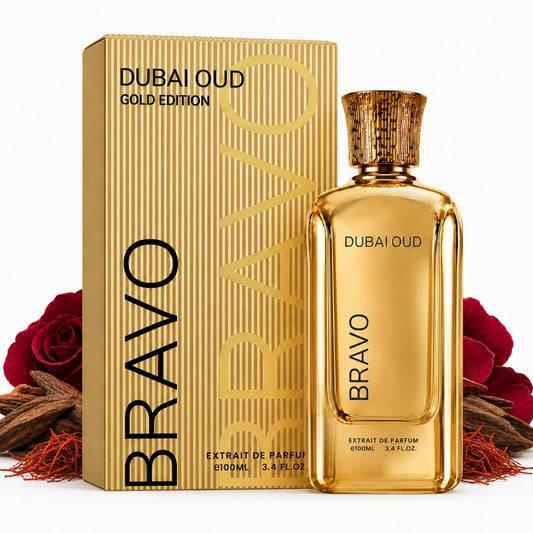
If you're searching for a women's long lasting fragrance near me Pune, you're looking for a perfume that keeps you feeling fresh, confident, and elegant from morning until night. A long-lasting fragrance is more than just a beauty product—it's a part of your personality that leaves a memorable impression wherever you go. Whether you're heading to work, attending college, going on a...
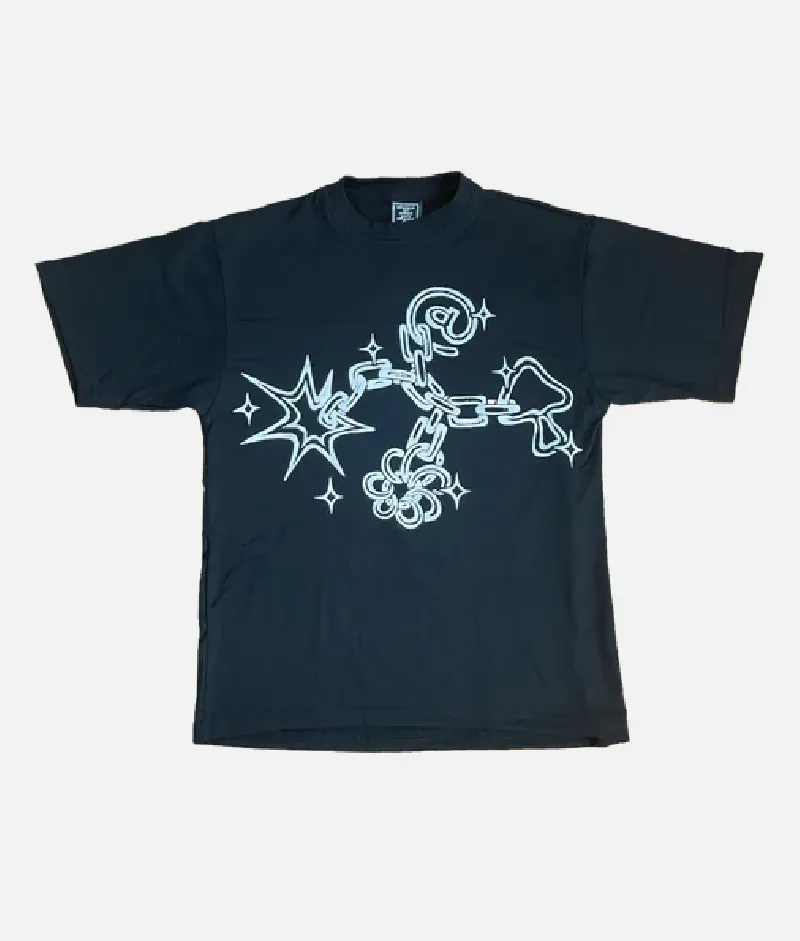
Fashion has evolved far beyond simply covering the body. Today, clothing represents personality, beliefs, confidence, and lifestyle. People are increasingly drawn toward brands that tell a meaningful story while delivering quality and comfort. Among the emerging names in contemporary streetwear, Adwysd Clothing has earned attention for combining thoughtful design with everyday...
A Morning Desert Safari Tour is one of the most exciting ways to experience the breathtaking beauty of Dubai’s desert landscape. While many visitors choose evening excursions, a morning adventure offers cooler temperatures, fewer crowds, and spectacular sunrise views across the golden dunes. Whether you are a thrill-seeker, a nature lover, or a traveler looking for unique experiences, a...

Keeping your home's ventilation system clean is one of the most practical ways to maintain healthy indoor air and improve HVAC efficiency. Many homeowners do not think about their vents until they notice dust buildup, unpleasant odors, or inconsistent airflow. Scheduling house vent cleaning Niles, IL at the right time helps reduce airborne contaminants, supports better energy performance, and...
Custom diamond tags are used in many product display styles today. They help items look neat and more presentable in simple ways. Many brands use them for clothing, gifts, and retail packaging. These tags are small, but they change how a product feels to customers. They add a clean and balanced look to branding. Custom Diamond Tags also support basic product identity without extra effort. They...