


Signs It's Time to Upgrade Your Industrial Electrical System
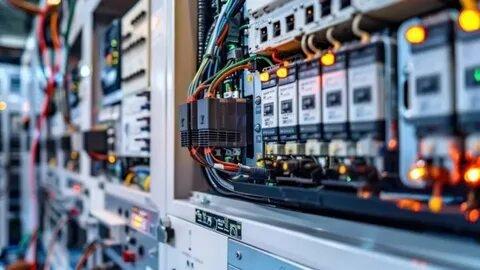
An outdated industrial electrical system can quietly reduce productivity, increase safety risks, and create expensive downtime before obvious failures appear. Frequent breaker trips, overloaded circuits, aging equipment, and rising maintenance costs are common warning signs that should never be ignored. The practical solution is to evaluate the condition and capacity of the electrical system before small problems become major disruptions. A timely upgrade improves reliability, supports business growth, protects equipment, and creates a safer working environment for employees.
Frequent Breaker Trips and Overloaded Circuits
One of the clearest signs that an industrial electrical system needs attention is repeated breaker trips. Circuit breakers are designed to protect equipment, not operate as everyday switches. When they trip regularly, the system is usually carrying more electrical demand than it was designed to handle. I have visited facilities where production managers accepted frequent breaker trips as normal until a major shutdown finally forced an expensive system upgrade.
As facilities expand, new equipment often places additional demand on existing electrical infrastructure. In some applications, upgrading equipment such as 400 amp power output panels may become part of a larger modernization plan that improves power distribution and future capacity. Reviewing the entire electrical system instead of replacing one component at a time usually delivers better long term results. Proper planning reduces the chance of repeated problems.
Aging Electrical Equipment
Every electrical system has a practical service life. Circuit breakers, switchgear, transformers, motor control centers, and electrical panels gradually wear over years of continuous operation. Even equipment that still functions may no longer provide the reliability needed for modern industrial production.
I have inspected facilities where electrical panels had been operating for more than thirty years. Although they continued supplying power, replacement parts were difficult to find, and maintenance costs continued increasing every year. Upgrading aging equipment before complete failure helps avoid emergency repairs and production delays.
Rising Maintenance Costs
Maintenance is part of every industrial operation, but steadily increasing repair costs often signal that the electrical system is approaching the end of its useful life. Replacing breakers, repairing overheated connections, and troubleshooting recurring electrical problems consume valuable maintenance resources. Eventually, repair expenses may exceed the cost of upgrading the system.
One question I often ask facility managers is how much time their maintenance team spends responding to electrical issues instead of improving equipment reliability. When emergency repairs become routine, it is usually time to consider a larger system evaluation. Long term planning often reduces overall operating costs.
Limited Capacity for Business Growth
Industrial facilities rarely stay the same. Production lines expand, automation increases, and additional machinery requires more electrical capacity. Older electrical systems may not have enough available space or current capacity to support these changes safely.
Planning for future expansion is one of the smartest reasons to upgrade an electrical system. Additional breaker spaces, higher capacity distribution equipment, and improved power management provide flexibility for future projects. A growing business should never be limited by an outdated electrical system.
Repeated Equipment Downtime
Unexpected equipment failures often point to deeper electrical problems. Voltage drops, overloaded circuits, worn protective devices, and aging distribution equipment all contribute to production interruptions. Downtime affects delivery schedules, labor costs, and customer confidence.
During one facility assessment, I worked alongside engineers from Roam Technologies while reviewing a manufacturing plant that experienced frequent electrical shutdowns. After evaluating the distribution system, we found several aging components that no longer supported the facility's growing electrical demand. Replacing those sections significantly improved operational reliability without changing the production process itself.
Common Warning Signs That Should Not Be Ignored
Watching for early electrical problems allows facilities to plan upgrades before major failures occur.
- Circuit breakers trip frequently during normal operation.
- Electrical panels show signs of overheating or discoloration.
- Maintenance costs continue increasing each year.
- Equipment struggles to support new production machinery.
- Replacement parts become difficult to obtain.
- Voltage fluctuations affect sensitive equipment.
- Electrical inspections identify recurring safety concerns.
Overheating Electrical Panels
Heat is one of the biggest enemies of electrical equipment. Warm electrical panels, burned insulation, unusual odors, or discolored wiring often indicate overloaded circuits or failing connections. These conditions should always be investigated promptly because overheating increases the risk of equipment damage and electrical fires.
Routine thermal inspections help identify hot spots before visible damage appears. I have found loose electrical connections during thermal scans that looked completely normal during visual inspections. Early detection prevents larger failures and improves system safety.
Difficulty Finding Replacement Parts
Many older electrical systems contain equipment that manufacturers no longer produce. Finding compatible breakers, relays, or panel components becomes increasingly difficult as equipment ages. Delays in locating replacement parts can extend downtime during unexpected failures.
Planning an upgrade before parts become unavailable gives facility managers greater control over project scheduling and budgeting. Waiting until equipment fails often leaves fewer options and increases emergency repair costs.
Changes in Safety Standards
Electrical safety standards continue improving as new technology becomes available. Older systems may still operate but lack modern protective features that improve worker safety and equipment reliability. Upgrading allows facilities to benefit from improved circuit protection, better monitoring capabilities, and safer maintenance practices.
I always recommend reviewing older installations during planned facility improvements. Combining equipment upgrades with safety improvements creates lasting value while reducing future risks. Modern systems also simplify maintenance and troubleshooting.
Building a Long Term Electrical Strategy
Upgrading an industrial electrical system should support long term operational goals instead of solving only immediate problems. A complete review of electrical capacity, equipment condition, maintenance history, and future expansion plans helps identify the most effective upgrade strategy.
From my experience, facilities that plan upgrades before equipment reaches failure experience fewer production interruptions and lower long term operating costs. Careful planning creates a stronger electrical foundation that supports business growth for many years. Reliable power remains one of the most valuable assets any industrial operation can have.
Conclusion
Recognizing the signs that an industrial electrical system needs an upgrade helps facilities avoid unexpected failures, rising maintenance costs, and unnecessary downtime. Frequent breaker trips, aging equipment, limited capacity, overheating, and difficult-to-find replacement parts all indicate that modernization may be necessary. By planning upgrades before serious failures occur, industrial facilities can improve electrical reliability, enhance workplace safety, support future expansion, and maintain dependable operations that meet the demands of modern manufacturing and industrial production.
Κατηγορίες
Διαβάζω περισσότερα
Luxury transportation has become more than just a way to travel because it reflects comfort, sophistication, and unforgettable experiences. Whether you are attending a wedding, corporate event, vacation, anniversary, or special celebration, choosing Rolls Royce Cullinan Rental Tampa, FL, allows you to enjoy one of the world's most prestigious luxury SUVs. The Rolls Royce Cullinan combines...

Introduction to B9 Download The demand for mobile applications has grown significantly as more users prefer quick and convenient access to digital platforms. B9 Download is a popular search term among users looking for information about downloading the B9 Game application and accessing its features on mobile devices. With smartphones becoming an essential part of daily life, users want...
Best Salon in JLT – Experience Luxury Beauty & Hair Care at Zulya Beauty Salon Looking for the Best Salon in JLT? Whether you need a stylish haircut, vibrant hair color, flawless nails, relaxing spa treatments, or professional makeup, choosing the right salon can make all the difference. A premium beauty salon not only enhances your appearance but also provides a relaxing experience...

The rapid evolution of wireless communication technologies has reached a critical juncture as radio frequency spectrums become increasingly congested. Visible Light Communication (VLC), commonly known as Li-Fi, utilizes light-emitting diodes (LEDs) to transmit data at blazing speeds through light waves. This groundbreaking technology offers high bandwidth, exceptional security, and immunity to...

Negli ultimi anni, Sprayground è diventato uno dei marchi più riconoscibili nel panorama dello streetwear internazionale. Nato con l'obiettivo di rivoluzionare il concetto di accessori urbani, il brand ha saputo distinguersi grazie a design originali, materiali di alta qualità e collaborazioni esclusive. In Italia, la popolarità di Sprayground continua a...