


Greenhouse Climate Control for Beginners: Where to Start
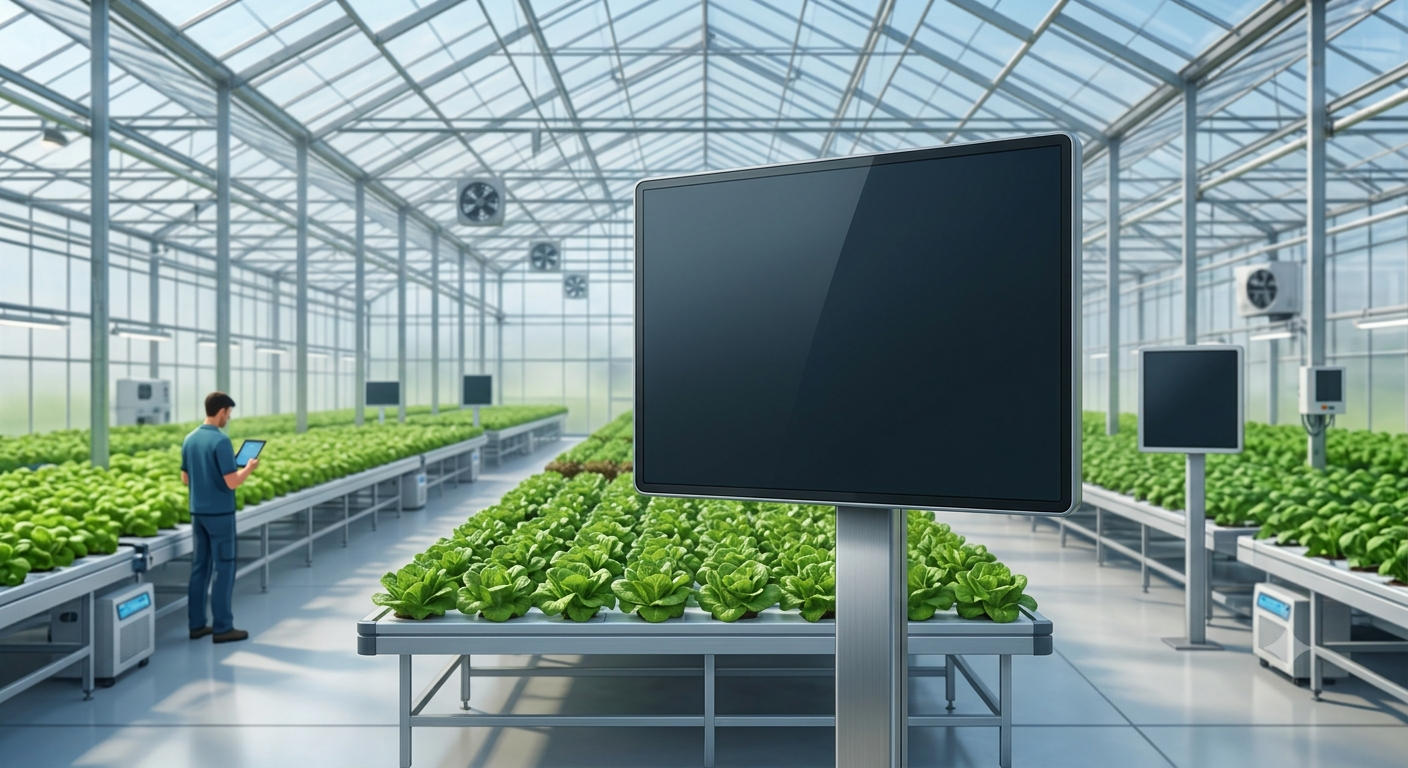
Starting your first greenhouse is exciting, but it doesn't take long before reality sets in. You water your plants, give them sunlight, and somehow they still struggle. More often than not, the missing piece isn't watering or soil quality — it's climate. Greenhouse Climate Control is the part beginners overlook the most, mostly because it sounds technical and intimidating. The good news is, you don't need an engineering degree to get it right. You just need to understand a few basics and build from there.
Start With Understanding, Not Equipment
A lot of new growers make the mistake of buying gadgets before understanding what their greenhouse actually needs. Before you spend money on fans, heaters, or sensors, spend a week just observing. Where does the sun hit hardest? Does the temperature spike in the afternoon? Does humidity climb after watering? These small observations tell you far more than any product review ever will.
Once you understand your greenhouse's natural tendencies, you can figure out what kind of climate control setup actually makes sense for your space. A tiny backyard greenhouse in a mild climate has very different needs than a large commercial structure in a region with harsh winters or scorching summers.
The Four Things You're Really Managing
At its core, climate control comes down to four factors: temperature, humidity, airflow, and light. They're all connected, so changing one usually affects the others. Add heat, and humidity drops. Increase airflow, and temperature evens out but humidity may drop too. Beginners often try to fix one issue without realizing they're creating a new one somewhere else.
The best approach is to think of these four factors as a team rather than separate problems. When you adjust your greenhouse, ask yourself how that change ripples across the other three. This mindset alone will save you a lot of trial and error.
Simple Tools That Make a Big Difference
You don't need to automate everything right away. A basic thermometer and hygrometer will tell you what's actually happening inside your greenhouse, which is far more useful than guessing. Vents, whether manual or automatic, help regulate temperature and reduce humidity buildup. Shade cloths protect plants during intense afternoon sun, and simple fans keep air moving so mold and mildew don't get a foothold.
As your confidence grows, you can start looking into more advanced systems. This is usually the point where beginners start researching automated solutions, and it's worth mentioning that companies like Biothermsolutions specialize in exactly this kind of transition — helping growers move from manual guesswork to systems that automatically balance heating, cooling, and humidity based on real conditions rather than a fixed schedule.
Learning From Controlled Environment Agriculture
If you want a broader perspective on why climate control matters so much, it helps to look at the growing world of controlled environment agriculture. This is the umbrella term for growing methods where humans manage nearly every environmental factor instead of leaving it up to chance. Vertical farms, hydroponic systems, and advanced greenhouses all operate under this philosophy.
The reason this approach has taken off is simple: it removes a lot of the unpredictability that comes with traditional outdoor farming. No more losing a harvest to an unexpected frost or a surprise heatwave. As a beginner, you don't need to build a high-tech vertical farm, but understanding these principles will help you make smarter decisions as your own greenhouse setup evolves.
Common Beginner Mistakes to Avoid
One of the most common mistakes is sealing up a greenhouse too tightly, thinking it'll retain heat better. In reality, this often leads to poor airflow, trapped humidity, and mold problems down the line. Another common issue is ignoring nighttime temperatures. Beginners often focus on daytime heat and forget that a cold night can undo days of healthy growth in just a few hours.
Overwatering is another indirect climate issue — excess moisture in the soil raises humidity inside the greenhouse, which can create the same problems as poor ventilation. Climate control isn't just about equipment, it's about understanding how every decision you make affects the overall environment.
Building Confidence Over Time
Nobody gets their greenhouse climate perfectly dialed in on the first try, and that's completely normal. Start small, observe often, and adjust gradually. As you get more comfortable, you'll naturally start recognizing patterns — which times of day need the most attention, which seasons are trickiest, and which small tweaks make the biggest difference.
Final Thoughts
Greenhouse Climate Control might sound complicated at first, but it really comes down to paying attention and making small, informed adjustments over time. Start with the basics, learn how temperature, humidity, airflow, and light interact, and don't be afraid to lean on more advanced tools as your growing space matures. With a little patience, your greenhouse will go from unpredictable to genuinely thriving.
Categorie
Leggi tutto
Planning a wedding is one of the most exciting moments in life, but it can also become stressful without the right guidance. From selecting the perfect venue to managing decorations, catering, entertainment, guest experience, and timelines, every detail matters. This is why many couples choose the Best Wedding Planners in India to make their special day memorable and stress-free. Professional...

Streetwear has become one of the fastest-growing fashion movements in Australia, blending comfort, individuality, and effortless style into everyday wardrobes. At the heart of this evolution is the essentials hoodie, a garment that has quickly become a must-have for fashion-conscious Australians. Known for its clean aesthetic, premium quality, and oversized fit, the Essentials Hoodie has...

A utility vehicle is one of the most valuable assets for professionals who depend on mobility and efficiency every day. Whether you're a builder, electrician, plumber, landscaper, farmer, fleet operator, or weekend adventurer, having reliable storage can make a significant difference in productivity. A premium aluminium canopy transforms an ordinary ute into a practical mobile workspace,...
Custom eco-safe stickers are becoming a very popular choice for people and businesses who want to share their message without hurting the environment. Many folks realize that traditional plastic labels often end up in landfills for a really long time. Choosing better materials makes a big difference for the earth and shows customers that a brand actually cares about nature. These labels work...
Introduction The AI Call Centre system uses its automated systems which combine intelligent technology with voice-based operation to deliver customer support services that exceed traditional methods. The AI Call Assistant system operates as the core technological component which enables the AI Phone Call system to function through its ability to comprehend context and interact like a human. The...