


Is Root Canal Treatment Better Than Extraction?
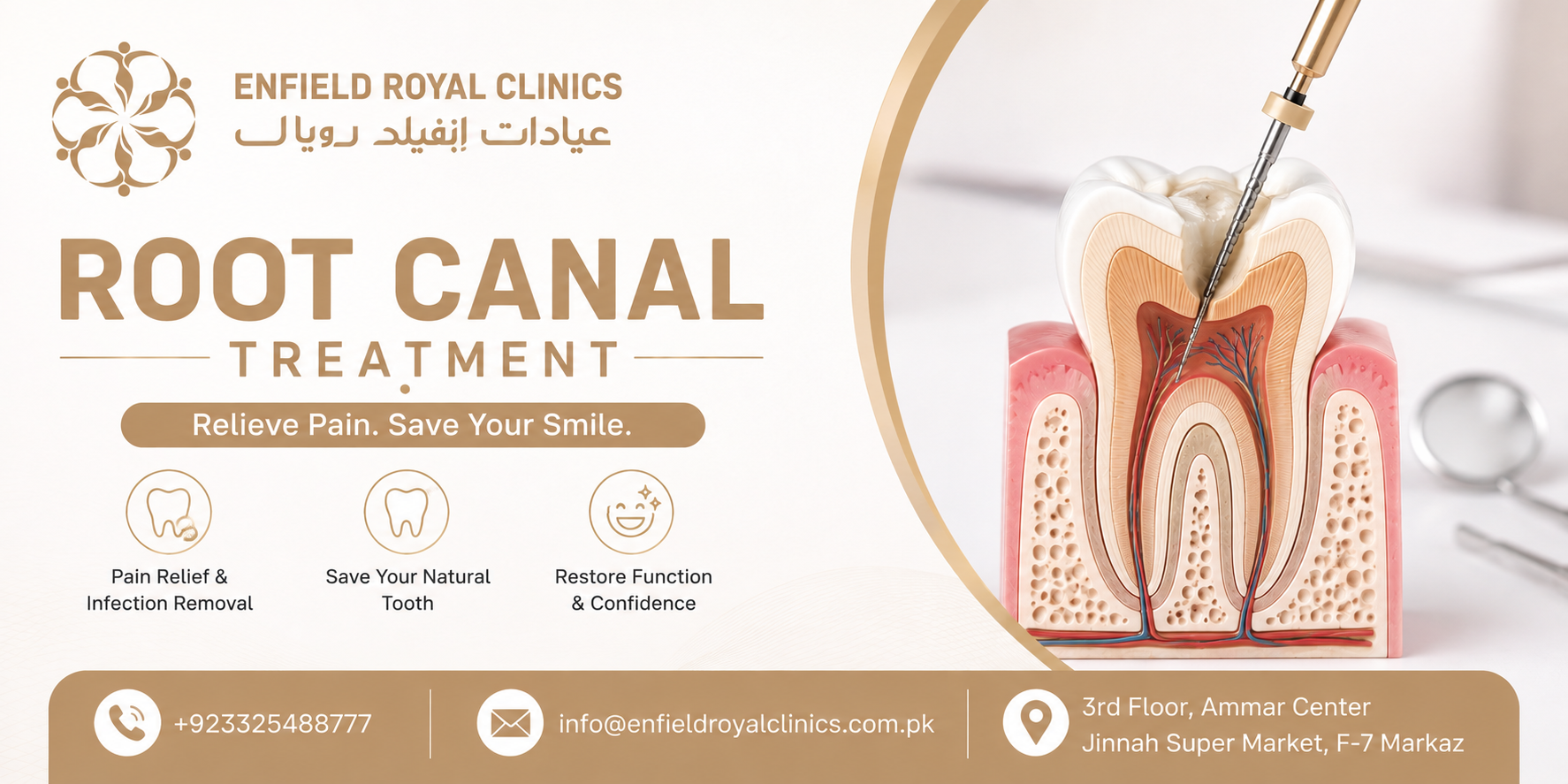
When a tooth is badly decayed, infected, or damaged, patients may be given two main options: preserve the tooth or remove it. This often leads to an important question: is Root Canal Treatment better than extraction?
There is no universal answer because every tooth is different. When a tooth can be successfully restored, preserving the natural tooth may offer several advantages. However, extraction can be the more suitable choice when the tooth has severe structural damage or cannot be predictably treated.
Understanding the differences between both options can help you discuss the right approach with your dentist.
What Is the Difference Between the Two?
A root canal is designed to preserve the natural tooth. The dentist removes the infected or damaged pulp from inside the tooth, cleans the root canals, and seals them. The remaining tooth is then restored with a suitable filling or crown.
Extraction is different because it removes the entire tooth from its socket. Although this can eliminate the immediate source of infection, it also leaves a gap that may need to be replaced later.
The choice therefore depends on whether the natural tooth can remain functional and stable after treatment.
Why Is Saving a Natural Tooth Important?
A natural tooth is naturally adapted to your bite and chewing pattern. Keeping it can help maintain normal chewing function and preserve the position of surrounding teeth.
When a tooth is removed, neighboring teeth may gradually move toward the empty space. This can affect the bite and make certain areas more difficult to clean.
Removing a tooth can also lead to changes in the bone that previously supported it. If a missing tooth needs replacement, additional treatment may be required to restore both appearance and function.
For these reasons, preserving a restorable natural tooth is often considered a valuable option.
When Is a Root Canal a Better Choice?
Treatment may be preferred when the tooth has enough healthy structure remaining and the roots and surrounding tissues are suitable for restoration.
Deep decay, pulp infection, and some forms of dental trauma can damage the inside of the tooth without destroying the entire tooth. In such cases, removing the infected pulp can allow the remaining tooth structure to stay in place.
A crown or other restoration may then be used to protect the tooth and restore its function.
When Is Extraction the Better Option?
Extraction may be appropriate when the tooth cannot be restored predictably. This can happen when a severe crack extends deep into the root, when there is insufficient remaining tooth structure, or when advanced supporting tissue damage has occurred.
A badly fractured tooth may not respond reliably even if the internal infection is treated. Similarly, a tooth with severe bone loss may not have enough support to remain stable.
In these situations, trying to save the tooth may not offer a reliable long-term outcome, making extraction a more practical choice.
Is the Procedure More Painful Than Extraction?
Pain is a major concern for many dental patients. Both procedures are generally performed using local anesthesia to numb the area.
During treatment, patients may experience pressure or vibration, but significant sharp pain should not normally occur when adequate anesthesia has been provided. Mild tenderness can occur after either procedure.
The discomfort experienced afterward depends on the condition of the tooth, surrounding tissues, and individual sensitivity. An untreated infected tooth can itself cause severe pain, so delaying care may create more discomfort than receiving treatment.
What About Recovery?
Recovery differs between the two options.
After a root canal, some tenderness when biting may occur for a few days while the tissues around the root recover. The tooth may also need protection until its final restoration is placed.
Extraction creates a healing socket. Patients need to follow instructions carefully during the early healing period to protect the blood clot and support normal tissue healing.
The overall recovery experience depends on the complexity of the procedure and the individual's dental condition.
Which Option May Cost More?
An extraction can initially appear less expensive than a root canal. However, the long-term financial comparison may be different.
After extraction, the missing tooth may require replacement with a dental implant, bridge, or denture. These options involve additional procedures and costs.
With a root canal, the tooth may require a crown or another permanent restoration. Although this can also involve additional expense, preserving the tooth may eliminate the need for future replacement.
It is helpful to compare the complete treatment plan rather than only the cost of the first procedure.
Can a Treated Tooth Last for Years?
A properly treated and restored tooth can remain functional for many years. Its long-term outlook depends on factors such as the quality of treatment, remaining tooth structure, oral hygiene, final restoration, and chewing habits.
A tooth that is heavily weakened may require a crown to reduce the risk of fracture. Regular dental examinations can also help identify problems with the tooth or restoration early.
However, no dental treatment guarantees that a tooth will last indefinitely.
What Happens After an Extraction?
Once a tooth is removed, the dentist may discuss replacement options depending on its location and function.
A dental implant can replace the missing root and support a crown. A bridge can fill the space by using nearby teeth for support, while a removable denture may be suitable in some situations.
The appropriate option depends on the number and location of missing teeth, bone condition, oral health, and personal preferences.
What Should You Consider Before Deciding?
Before choosing between the two treatments, it is useful to ask whether the tooth is structurally restorable, how severe the infection or damage is, and what restoration will be needed afterward.
The dentist may use X-rays and clinical tests to assess the roots, surrounding bone, and remaining tooth structure.
You should also consider long-term function, future treatment requirements, recovery, and overall cost. A treatment that appears simpler initially may involve more procedures later.
Can Root Canal Treatment Always Save the Tooth?
No. Although Root Canal Treatment can preserve many infected or damaged teeth, it cannot save every tooth.
A tooth with a severe vertical root fracture, extensive structural destruction, or inadequate supporting tissues may have a poor prognosis. In such cases, extraction may provide a more predictable solution.
The aim should be to choose the treatment that offers the best long-term result, rather than automatically choosing preservation or removal.
Final Thoughts
So, is Root Canal Treatment better than extraction? When a tooth is restorable and has a reasonable long-term prognosis, preserving the natural tooth can offer significant benefits. It maintains natural chewing function and may avoid the need for replacement.
However, extraction can be the better choice when a tooth is too severely damaged to restore reliably. The best decision depends on the specific condition of the tooth, surrounding tissues, and overall treatment plan.
A professional dental examination can help determine whether preserving the tooth or removing it is the more suitable option for your long-term oral health.
For more information visit Enfield royal clinic in islamabad
Catégories
Lire la suite
Finding a reliable retailer is important for adults who purchase legal tobacco products because product quality, knowledgeable service, and compliance with regulations all contribute to a better customer experience. Visiting a tobacco shop Schaumburg, IL allows adult customers to explore a variety of legally available products while receiving guidance about product categories, storage, and...

Online shopping has changed the way people purchase everyday essentials, clothing, electronics, beauty products, home items, and countless other products. While shoppers often compare product prices and look for percentage-based discounts, one expense can easily be overlooked: delivery charges. A small shipping fee may seem insignificant, but repeated orders can make these costs add up...

At the heart of a modern, efficient cash management system lies sophisticated Currency counting technology. The modern currency counter is far more than a simple motor and set of rollers; it is an integrated system of advanced sensors, powerful processors, and intelligent software designed for speed, accuracy, and security. According to Market Research Future, the evolution of these...

The luxury appeal and visual impact of dark monochromatic streetwear rest on pure, unfiltered color saturation. High-density organic cotton fleece garments feature deep carbon black pigments designed to absorb light evenly. However, laundering these garments in hard tap water—which contains high concentrations of dissolved minerals like calcium and magnesium—gradually degrades the...

The United Arab Emirates has become one of the world’s leading destinations for conferences, exhibitions, corporate events, concerts, product launches, and luxury experiences. With world-class venues, advanced infrastructure, and a highly diverse international audience, the UAE offers an ideal environment for successful event production. However, delivering a memorable event requires much...