


Nose Tip Plasty in Islamabad: Exploring Subtle Changes for a Refined Nasal Shape
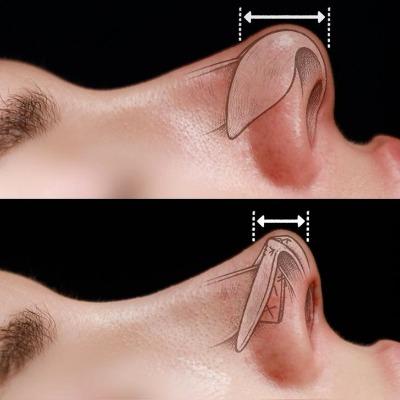
The nasal tip is a central feature of the face and can have a noticeable effect on the overall appearance of the nose. When the tip appears broad, rounded, uneven, or less defined, it may affect facial balance even when the rest of the nose looks proportionate. For individuals with concerns limited mainly to this area, nose tip plasty in islamabad offers a focused surgical approach that can be customized according to individual anatomy and aesthetic goals.
What Is Nose Tip Plasty?
Nose tip plasty is a cosmetic surgical procedure designed to reshape or refine the nasal tip. It primarily focuses on the cartilage and supporting structures that determine the appearance of the lower part of the nose.
The procedure can be tailored to address different concerns rather than following one standard technique. Depending on the patient's anatomy, the surgeon may carefully reshape, reposition, or support the cartilage to create a more balanced contour.
The aim is generally refinement rather than an unnecessarily dramatic change.
Why Nasal Tip Shape Matters
The nasal tip contributes to the appearance of the nose from several viewing angles. Its width affects how broad the nose appears from the front, while its projection and rotation influence the profile.
A tip that appears too prominent may draw attention away from other facial features. Similarly, a poorly defined or rounded tip may make the nose appear heavier.
Improving the relationship between the tip and the rest of the nose can therefore contribute to a more harmonious appearance.
Common Concerns About the Nasal Tip
Patients may seek tip plasty for a variety of aesthetic concerns. Some may have one specific issue, while others may have several characteristics they would like to improve.
Common concerns include:
-
A wide or broad nasal tip
-
A bulbous appearance
-
Limited definition
-
Uneven contours
-
A downward-facing tip
-
Excessive projection
-
Insufficient projection
-
Certain forms of asymmetry
The appropriate approach depends on the cause of the concern and the patient's individual nasal structure.
How the Nasal Tip Is Evaluated
A thorough consultation is an important part of treatment planning. The surgeon may assess the nose from the front, side, and other angles to understand its proportions and structure.
Important considerations can include cartilage shape, cartilage strength, skin thickness, soft-tissue coverage, tip projection, rotation, and symmetry.
The surgeon may also consider how the nose relates to the lips, chin, and other facial features. This broader assessment helps determine how much refinement may be appropriate.
The Role of Cartilage
Cartilage provides much of the support and shape of the nasal tip. Its position and structure influence the appearance of the tip and can affect how it responds to surgical changes.
During tip plasty, carefully planned adjustments may be made to the cartilage. In selected cases, structural support may also be considered.
Maintaining suitable support is important because the goal is not only to improve appearance but also to preserve an appropriate nasal framework.
Refining a Bulbous Tip
A bulbous tip may appear rounded and broad, especially when viewed from the front. The appearance can result from the shape of the underlying cartilage, soft tissue, or a combination of factors.
When appropriate, surgical refinement may help improve the contours of the tip. However, making the tip extremely narrow is not necessarily desirable.
The surgeon considers facial proportions and tissue characteristics when determining the appropriate level of correction. A naturally refined appearance is generally preferred over excessive narrowing.
Improving Tip Definition
Some patients may feel that their nasal tip lacks clear definition. When the contours are less distinct, the tip can appear rounded or less refined.
Surgical techniques may improve definition by carefully modifying the structures responsible for the tip's shape.
The degree of definition should be personalized. A very sharp appearance may not suit every patient, particularly when the natural skin and cartilage characteristics do not support such a result.
Addressing Nasal Tip Width
Tip width is another common concern. A wider tip can make the nose appear more prominent from the front.
The surgeon first evaluates what contributes to the width before determining whether surgical refinement is appropriate. Cartilage structure and skin characteristics can influence how much change is possible.
The goal is not simply to reduce width but to create a proportionate relationship between the tip, bridge, and rest of the face.
Understanding Projection and Rotation
Projection refers to how far the nasal tip extends from the face. Rotation describes the direction in which the tip points.
These characteristics can influence the side profile considerably. A highly projected tip may appear prominent, while insufficient projection can affect definition.
A downward-facing tip may also make the nose appear longer. When suitable, surgical planning can take projection and rotation into account to create a more balanced profile.
Recovery After Nose Tip Surgery
Swelling and tenderness may occur after surgery. The nasal tip can remain swollen during the early healing stages, which means the initial appearance may not represent the final result.
Patients should follow postoperative instructions carefully and protect the nose from pressure or accidental impact. Certain physical activities may need to be limited temporarily during recovery.
Follow-up appointments allow the surgeon to monitor healing and provide additional guidance when necessary.
When Full Rhinoplasty May Be Considered
Tip plasty is generally focused on the nasal tip. It may be suitable when the patient is satisfied with the bridge and other nasal structures but wants targeted improvement.
However, some patients may have concerns involving the bridge, nasal bones, overall nasal size, or several other features. In such situations, full rhinoplasty may provide a more comprehensive approach.
A professional assessment can help determine which procedure best matches the patient's goals.
Importance of Realistic Expectations
Every patient has different anatomy, and individual healing can influence the final appearance. Factors such as cartilage structure, skin thickness, surgical technique, and postoperative recovery may affect the result.
Patients should understand that cosmetic surgery aims to improve selected characteristics rather than guarantee perfection.
Discussing expectations openly during consultation can help establish a realistic treatment plan.
Final Thoughts
Nose tip plasty can provide a targeted option for individuals who want to improve specific aspects of their nasal tip, including width, contour, definition, projection, rotation, or symmetry. Because the procedure must be adapted to each person's facial structure, careful assessment and personalized planning are essential before treatment. If you are considering nasal tip refinement and want to discuss your concerns and available options with a professional team, Enfield Royal Clinic Islamabad F7 Markaz can provide personalized consultation and guidance.
Categorii
Citeste mai mult
Looking for a trusted NANNY SERVICE IN PUNE for your child? Good Maid India provides experienced, verified, and compassionate nannies who ensure your child's safety, comfort, and healthy development. Whether you need full-time, part-time, live-in, or live-out childcare, our trained caregivers are carefully selected through background and identity verification. As a reliable BABYSITTER AGENCY IN...

Silmar Shipping is a trusted shipping and logistics company based in Dubai, UAE, offering comprehensive maritime transport and freight solutions for businesses across the Middle East, GCC, the Indian Subcontinent, and international markets. The company specializes in container liner services, dry cargo shipping, reefer container transportation, SOC (Shipper Owned Container) services, vessel...

Natural Language Processing (NLP) enables artificial intelligence systems to understand, interpret, and generate human language. It supports applications such as chatbots, sentiment analysis, language translation, voice assistants, text classification, and information extraction. Learning NLP through an Artificial Intelligence Course in Chennai can help learners understand practical AI...
Your home should reflect your lifestyle, comfort, and personal taste while meeting the needs of your family. Over time, changing preferences, aging materials, and evolving functional requirements often make renovations a worthwhile investment. Choosing home remodeling service Washington, DC gives homeowners the opportunity to improve both the beauty and practicality of their living spaces....

The rapid evolution of wireless communication technologies has reached a critical juncture as radio frequency spectrums become increasingly congested. Visible Light Communication (VLC), commonly known as Li-Fi, utilizes light-emitting diodes (LEDs) to transmit data at blazing speeds through light waves. This groundbreaking technology offers high bandwidth, exceptional security, and immunity to...