

How Poor Tire Tread Can Affect Stopping Distance
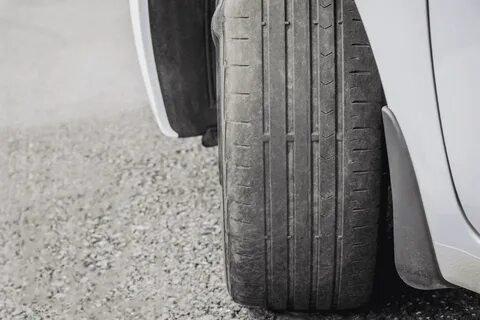
Poor tire tread can increase stopping distance because worn grooves cannot move water, slush, and snow away from the road contact area as effectively. As tread becomes shallow, the tire has less grip available during hard braking, especially on wet or icy roads. Canadian drivers face changing conditions where this difference matters quickly. Checking tread depth, tire pressure, and wear patterns helps you know when traction is declining and when replacement should be considered before braking performance becomes less predictable.
Tire condition is easy to overlook when a vehicle is already in for routine maintenance. During an oil change Calgary appointment, for example, asking for the tread depth and wear pattern to be checked can reveal a problem before the tires feel obviously different from behind the wheel. Drivers often adjust slowly to reduced grip without noticing it. A measured tread check gives you clearer information than judging the tire only by appearance.
Why Tread Matters During Braking
Tire tread creates channels that allow water and slush to move away from the part of the tire touching the road. When these grooves become shallow, there is less space for moisture to escape. The tire can then struggle to maintain the same level of contact with the pavement.
This becomes especially important during hard braking. The braking system may be working correctly, but it can only slow the vehicle effectively when the tires have enough grip. If the tires slide instead of holding the surface, stopping distance can increase even when the brakes themselves are in good condition.
Wet Roads Expose Worn Tires Quickly
On dry pavement, a worn tire may still feel fairly normal during calm driving. Heavy rain can reveal the difference much faster. Water has to move out from under the tread, and shallow grooves have less ability to handle it.
At higher road speeds, standing water can make traction even more difficult. Drivers may notice lighter steering, reduced confidence, or wheel slip. Slowing down helps, but worn tread still reduces the tire's ability to manage wet conditions.
Snow and Slush Need Tread Depth Too
Canadian winter roads create another challenge. Snow and slush can pack into the tread, and the tire needs enough groove depth and biting edges to work through those surfaces. A heavily worn winter tire may still carry a winter symbol while providing much less useful traction than it did when new.
Tire Pressure Changes the Contact Area
Tread depth is not the only factor affecting grip. Incorrect pressure changes how the tire contacts the road. An underinflated tire may wear heavily on the shoulders, while excessive pressure may change wear through the centre.
Cold weather can reduce pressure, which is why checks become important when temperatures fall. Use the pressure listed on the vehicle placard and measure when the tires are cold. One tire that repeatedly becomes low should be checked for a leak.
Uneven Wear Can Reduce Grip Early
A tire does not always wear evenly across its width. Poor alignment, incorrect pressure, missed rotations, wheel balance concerns, and worn suspension parts can leave one section much lower than the rest. This means a tire can become weak in certain conditions even when part of the tread still looks deep.
At Heritage AutoPro and Tire, I would want tread measured at several points rather than only in the centre. Inner shoulder wear is especially easy for drivers to miss because it is difficult to see when the car is parked. Looking across the full tire gives a more accurate idea of remaining condition.
Signs Your Tire Tread Needs Attention
Watch for these practical warning signs:
- Wear bars becoming level with the tread: This shows that the usable tread is becoming very low.
- One shoulder wearing faster: Alignment, pressure, or suspension concerns may be involved.
- Reduced wet-road confidence: The tire may feel less stable during rain or standing water.
- More wheel spin in snow: Worn tread can reduce the tire's ability to find grip.
- Visible cracking or damage: Tire condition involves more than tread depth alone.
Any one of these signs deserves a closer look, especially before a long trip or winter season.
Brakes and Tires Work Together
Drivers sometimes think stopping distance depends only on brake pads and rotors. In reality, the brakes slow the wheels while the tires transfer that braking force to the road. Both systems need to work properly.
You can have new brake pads and still experience poor stopping performance if the tires cannot maintain grip. The opposite is also true. Healthy tires cannot make up for badly worn brakes. Safe stopping depends on both systems doing their jobs together.
Speed Makes Reduced Grip More Important
Stopping distance rises as vehicle speed increases. When tire grip is already reduced by worn tread, wet pavement, snow, or ice, higher speed leaves even less room for error. This is why slowing down in poor weather is so important.
Leave more following distance during rain and winter conditions. Avoid sudden steering and braking when possible. Smooth inputs help the tires maintain available grip, but they do not replace proper tread depth.
Do Not Judge Tires Only by Age
Some older tires still have plenty of tread, while high-mileage tires can wear out relatively quickly. Tire life depends on driving style, alignment, pressure, road conditions, rotation, compound, and vehicle weight. Age and mileage are useful information, but neither one replaces physical inspection.
Check the production date, visible condition, and tread depth together. Cracks, bulges, exposed cords, or other structural concerns may require action even when tread remains. A tire should be judged as a complete component.
Check Tread Before Seasonal Changes
Autumn is a useful time to inspect tread because wet weather and winter conditions are approaching. Spring is another good opportunity because potholes and winter roads may have created uneven wear or alignment changes.
Measure all four tires and compare them. If one is wearing much faster, find out why before simply replacing it. Correcting pressure, alignment, or suspension problems can help protect the replacement tire.
Better Tread Gives You More Margin
Good tread cannot make icy roads harmless, but it gives the tire a better chance to manage water, slush, and snow. Worn tread reduces that margin exactly when road conditions become difficult.
The practical lesson is simple. Check tread depth regularly, maintain correct pressure, watch for uneven wear, and replace tires when condition no longer supports safe driving. Braking begins with the brake system, but the final connection to the road is always the tire.
Κατηγορίες
Διαβάζω περισσότερα
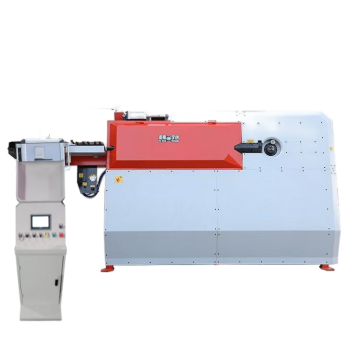
Construction projects demand speed, precision, and consistency. Whether you are working on commercial buildings, bridges, highways, or infrastructure developments, the quality of rebar processing directly affects the final structure. Investing in a dependable rebar bender and cutter helps contractors simplify production while maintaining high standards of accuracy. Traditional rebar processing...
North America Activewear Market Size and Forecast The North America Activewear Market size was valued at USD 133.56 Million in 2025 and is projected to reach USD 288.91 Million by 2034, growing at a CAGR of 9.05% during the forecast period (2026-2034). The North America Activewear Market represents a significant segment of the global industry, supported by evolving consumer preferences,...

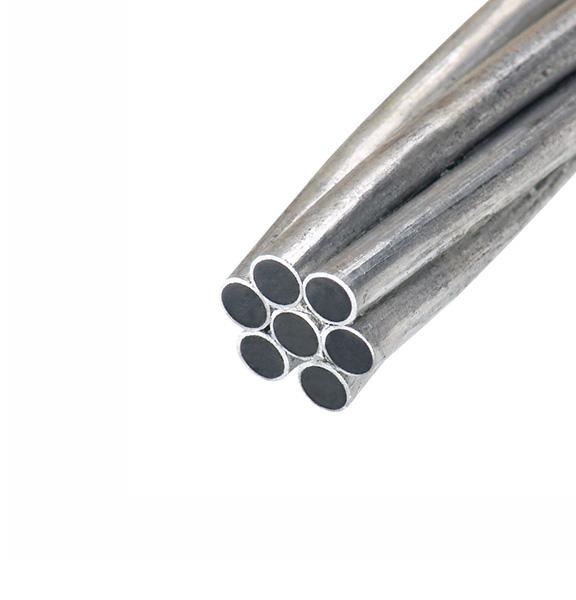
In today’s rapidly developing power infrastructure, reliable protection and stable performance are essential for transmission networks. HBNfpower provides advanced overhead ground wire solutions designed to enhance the safety, durability, and efficiency of overhead power systems. With a strong focus on quality manufacturing and engineering excellence, HBNfpower delivers aluminum clad...
Action Camera Market Overview The Action Camera Market report provides an in-depth analysis that is required to make informed industry decisions and develop strategic growth plans. Regardless of the production method or cost structures, the Action Camera market report provides a full understanding of advanced tactics and plans. Action Camera Market size was...

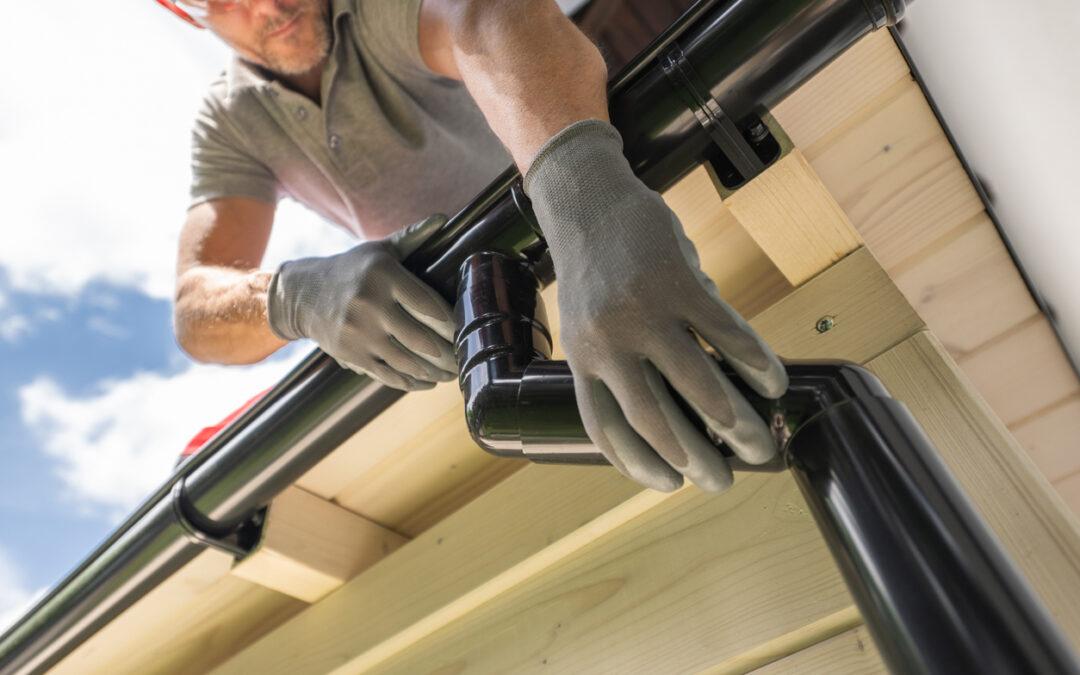
Your home's gutter system plays a much bigger role than many homeowners realize. It directs rainwater away from your roof, foundation, landscaping, and exterior walls, helping prevent costly repairs caused by water damage. If you are searching for the best gutter installation Tulsa, OK, understanding what makes a quality gutter system is the first step toward making a smart investment. Choosing...