Copper's China Squeeze: Trafigura Buys Up Supply as Shanghai Premiums Hit a Record 2,615 Yuan

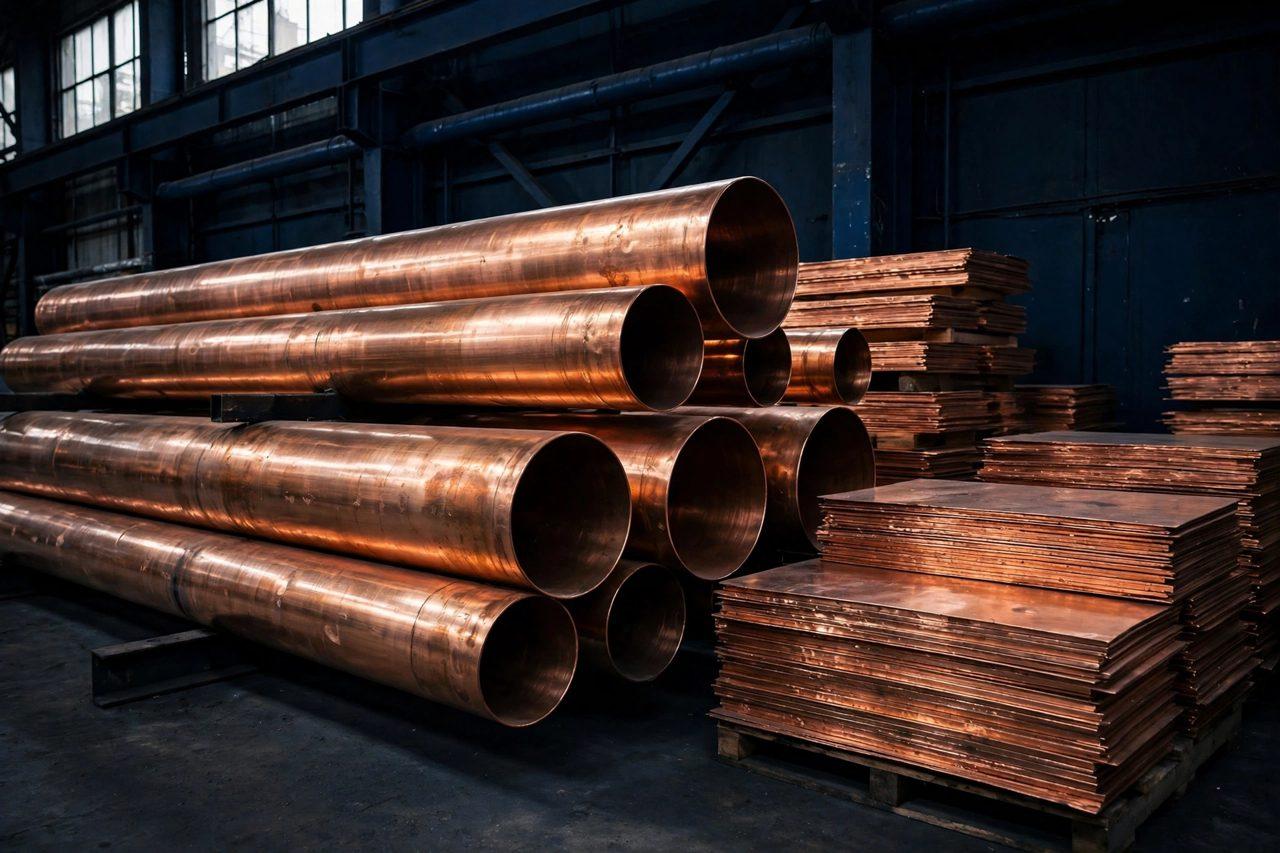
Trafigura has been buying large volumes of copper to boost its sales into Asia as local supplies run low, adding to a scramble that has pushed regional spot premiums to record highs. The buying spree is the clearest sign yet that China's copper market is physically tight — even while the paper price has been slipping on tariff worries out of Washington.
That split between a soft headline price and a squeezed physical market is the story traders are watching this week on the Zimbuck News page: copper can look weak on a screen and still be hard to actually buy where factories need it.
What Trafigura's buying tells us
Trafigura Group, one of the world's largest commodity trading houses, does not buy aggressively without a reason. Reports this week say the firm has been purchasing large volumes of copper for delivery into Asia because local availability is thin, and the scramble for nearby metal has pushed Shanghai-area spot premiums to a record 2,615 yuan per tonne. A premium that size is what buyers pay over the exchange price simply to get metal now rather than later — it is a direct measure of physical scarcity, not speculation.
- Trafigura: buying large copper volumes for Asia as local supplies run low.
- Shanghai spot premium: record 2,615 yuan/t in the scramble for nearby metal.
- Copper price Friday: about $6.24 per pound, down about 0.51% on the day in the daily commodity summary.
- Saxo Bank (Nov 6): sees the current copper price setback as temporary amid physical tightness in China.
Why the price fell anyway: the tariff rethink
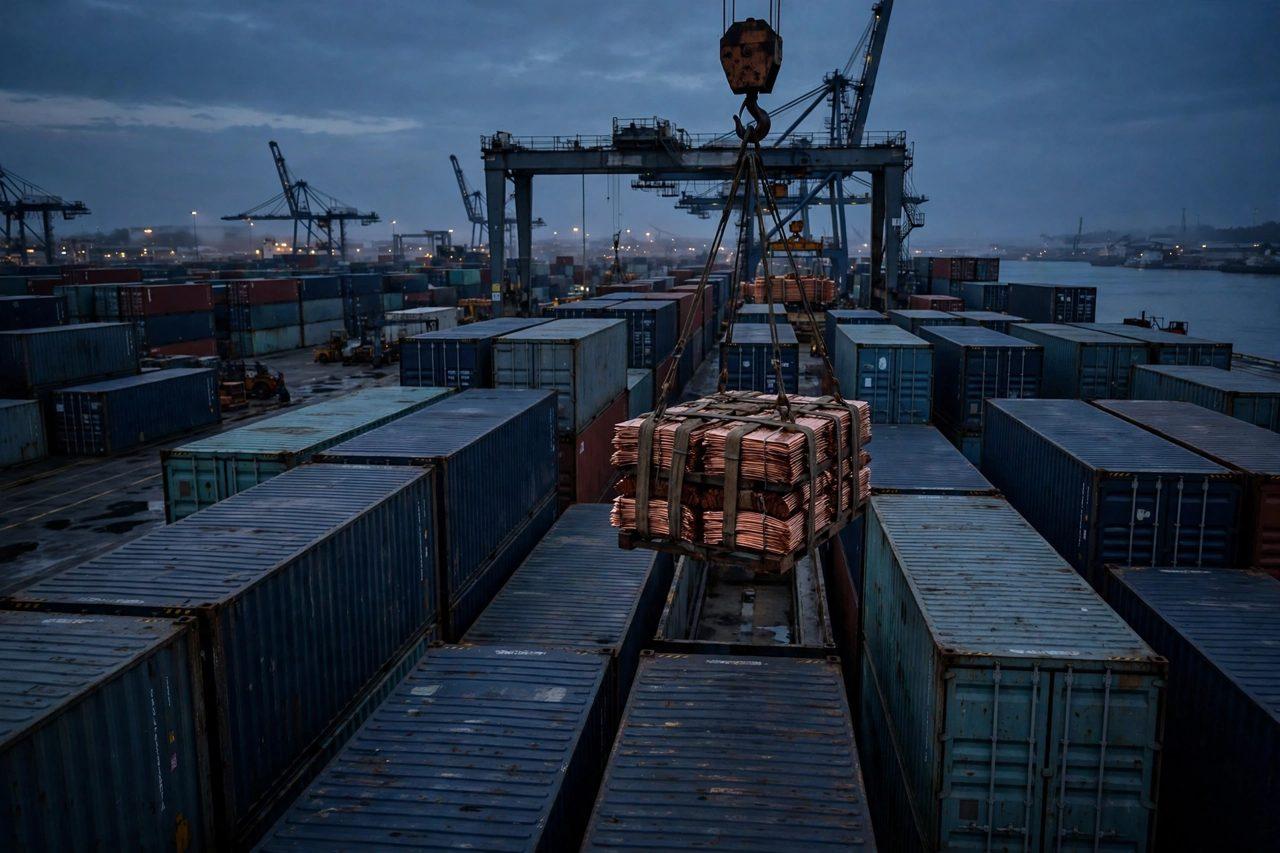
If the physical market is so tight, why did copper slump towards a near four-month low around $6.27 per pound before recovering to trade near $6.46, as Saxo Bank described in its post-midterm analysis? The answer is US tariff policy. Washington had previously considered imposing tariffs on refined copper imports from January 2027, which encouraged a substantial build-up of copper inside US warehouses. After the US midterm elections, Saxo notes, reduced prospects for those refined-copper tariffs could ease that global supply distortion — metal stockpiled in the US might eventually flow back out — and traders marked the price down on that possibility even as Asian buyers were paying record premiums for immediate delivery.
The debate runs daily in the Zimbuck Market News group: the tariff story is about where copper sits, while the China story is about how much copper actually exists near the factories that consume it. Both can be true at once, which is why the price and the premium are telling opposite stories. For background on how futures curves signal scarcity, the grains and energy moves in our recent wheat and commodities coverage show the same physical-versus-paper tension in another market.
What to watch next
Three things decide whether the squeeze wins over the tariff rethink. First, whether Shanghai premiums stay at record levels or fade — a falling premium would mean Trafigura's buying has refilled the local pipeline. Second, any firm US decision on the January 2027 refined-copper tariff question, which Saxo's full analysis of the midterm commodity shock walks through in detail. Third, visible warehouse stocks: a market where exchange inventories keep drawing down while premiums stay high is a market pricing a real shortage, not a headline.
Copper's long-term case — electrification, grid build-out and data-centre demand — is exactly why physical tightness matters more than one week's price dip. A temporary setback, in Saxo's framing, is what a structurally tight market looks like when politics, not supply, moves the paper price.

FAQ
Why is Trafigura buying so much copper? To boost sales into Asia, where local supplies have run low and buyers are paying record premiums for immediate delivery.
What does a record Shanghai premium mean? Buyers pay 2,615 yuan per tonne over the reference price just to secure metal now — a sign of physical scarcity in that region.
Why did the copper price fall if supply is tight? Because US midterm results reduced the odds of refined-copper tariffs from January 2027, which could unwind US stockpiles and loosen the global picture on paper.
Is this bullish or bearish for copper? The physical signals are bullish; the policy signals are bearish. Which dominates depends on premiums, stocks and the final tariff decision.
Copper's week is a reminder that commodity prices are set in two places at once — the screen and the warehouse — and right now they disagree. Follow the premiums, not just the price, and join the discussion at zimbuck.com. This article is market news and general information only, not financial advice.