Introduction
What is masonry is a common question among homeowners who see brick walls, stone structures, concrete blocks, chimneys, patios, walkways, and other solid exterior features around residential and commercial properties. Masonry refers to construction using individual units such as bricks, concrete blocks, natural stone, or similar materials that are assembled to create walls, structures, surfaces, and architectural features. Depending on the project, these units may be connected with mortar or installed using other appropriate construction methods. Masonry has been used for centuries because it can provide strength, durability, fire resistance, and a distinctive appearance. Modern masonry construction combines traditional materials and techniques with updated tools, engineering practices, and building standards. For homeowners, understanding masonry can make it easier to recognize the importance of proper installation, identify early signs of deterioration, and choose suitable materials when planning a new construction or repair project.
What Does Masonry Mean?
Masonry is a construction method that involves assembling individual building units into a larger structure. Common units include brick, natural stone, concrete block, and manufactured masonry products. Mortar is frequently used between units to create a stable connection, although the exact construction method depends on the type of project and material. Masonry can be used for structural walls, retaining walls, foundations, chimneys, fireplaces, patios, walkways, steps, columns, decorative features, and exterior surfaces. When homeowners ask what is masonry, they are often thinking specifically about brick or stonework, but the term covers a much broader range of construction applications. Masonry can be both functional and decorative, allowing a structure to provide support while also contributing to the visual character of a property. The quality of the materials, design, installation, drainage, and ongoing maintenance all influence how well masonry performs over time.
What Are the Main Types of Masonry?
There are several common types of masonry, and each has different characteristics and applications. Brick masonry uses manufactured clay or similar bricks arranged in courses and connected with mortar. Stone masonry uses natural or manufactured stone and can provide a more varied, organic appearance. Concrete block masonry uses standardized blocks that can be efficient for larger walls and structural applications. Some projects combine different masonry materials to achieve a particular architectural appearance. There are also specialized systems designed for specific structural or decorative purposes. When considering what is masonry, it is useful to understand that no single masonry material is best for every project. The choice depends on structural requirements, appearance, environmental exposure, budget, maintenance expectations, and the design of the property. A professional masonry contractor can help determine which material and construction approach best suits the project.
Why Is Masonry Used in Construction?
Masonry is widely used because it can provide a combination of durability, strength, fire resistance, and visual appeal. Brick and stone structures can create a timeless appearance that works with many architectural styles. Concrete masonry units can provide efficient construction for walls and other applications. Properly designed masonry can also offer good resistance to everyday outdoor exposure. Masonry is useful not only for major structures but also for smaller property features such as garden walls, patios, steps, walkways, chimney surrounds, and decorative borders. When homeowners understand what is masonry, they can better appreciate why proper installation matters. A masonry structure needs more than attractive materials. It requires appropriate foundation support, mortar selection, joint design, drainage, and protection from moisture. These factors help determine whether the finished work remains stable and attractive over the long term.
What Materials Are Commonly Used in Masonry?
Brick, natural stone, concrete blocks, and manufactured masonry units are among the most common materials used in masonry construction. Brick can provide a traditional appearance and is available in different colors, textures, and sizes. Natural stone offers significant variation because every stone can have its own shape, color, and texture. Concrete blocks are available in standardized sizes and can be used for many structural and utility applications. Manufactured stone products can provide the appearance of natural stone while offering more predictable sizes and installation characteristics. Mortar is another important component because it connects many masonry units and helps transfer loads between them. When researching what is masonry, homeowners should consider the relationship between the masonry units and supporting materials rather than viewing the individual brick or stone as the entire construction system.
How Does Mortar Affect Masonry?
Mortar plays an important role in many masonry structures because it connects individual units and helps distribute loads. The mortar must be appropriate for the masonry material and the specific application. Different mortar formulations have different strength, flexibility, water resistance, and compatibility characteristics. Using mortar that is too strong or otherwise unsuitable for an older masonry structure can sometimes contribute to damage rather than preventing it. Proper joint thickness and tooling are also important because the joints affect water resistance and appearance. Over time, mortar joints can deteriorate because of moisture, weather exposure, temperature changes, and natural aging. When homeowners understand what is masonry, they should also recognize that the condition of the mortar joints can be just as important as the condition of the bricks or stones. Professional inspection can help determine whether repointing or another repair is appropriate.
What Is Brick Masonry?
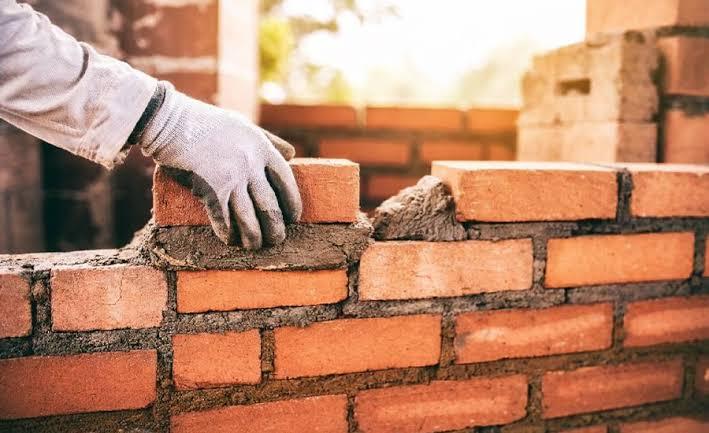
Brick masonry is a construction method that uses individual bricks arranged in a planned pattern and connected with mortar. It is commonly used for exterior walls, chimneys, garden walls, facades, columns, walkways, and decorative features. Brick can create a classic appearance while providing a durable exterior surface when properly installed and maintained. Different brick patterns, known as bonds, can create different visual effects and structural characteristics. The condition of the mortar joints also plays a major role in the long-term performance of brickwork. Water entering damaged joints can contribute to deterioration, especially when moisture remains trapped within the wall. Learning what is masonry provides useful background for understanding brickwork because brick construction depends on the interaction between the bricks, mortar, foundation, flashing, drainage, and surrounding structure.
What Is Stone Masonry?
Stone masonry uses natural or manufactured stone to construct walls, retaining structures, facades, patios, walkways, fireplaces, and other architectural features. Natural stone can create a distinctive appearance because its color, texture, and shape vary naturally. Stone can be installed in carefully cut patterns or in more irregular arrangements depending on the desired design. The supporting structure and installation method need to account for the weight and characteristics of the selected stone. Drainage is also important because water can enter joints and spaces between stones if the system is not designed properly. When homeowners ask what is masonry, stonework is often one of the first examples that comes to mind. Its durability and appearance make it popular for both functional and decorative projects, but proper installation is necessary to prevent shifting, cracking, or moisture-related problems.
What Is Concrete Block Masonry?
Concrete block masonry uses manufactured blocks that are typically larger than traditional bricks. These blocks can be used for foundations, retaining walls, structural walls, utility structures, and other construction applications. Their standardized dimensions can make them efficient to install, especially on larger walls. Concrete blocks can also be finished, covered, or combined with other materials depending on the desired appearance. Like other masonry systems, concrete block construction requires appropriate foundations, mortar, reinforcement, drainage, and structural design where necessary. Understanding what is masonry helps homeowners recognize that concrete block work is another important category of masonry construction. The blocks themselves provide the visible structure, but the complete wall depends on many interconnected components working together correctly.
What Are the Benefits of Masonry Construction?
Masonry can provide several advantages when it is properly designed and installed. It can create strong and durable structures that withstand everyday environmental exposure. Brick and stone can also enhance curb appeal and contribute to a property's architectural character. Masonry materials are generally resistant to fire, and many types can provide substantial thermal mass. Individual units can often be replaced or repaired when localized damage occurs, although the appropriate repair method depends on the structure. Masonry can also be highly versatile because it can be used for walls, chimneys, patios, walkways, retaining structures, steps, and decorative features. When homeowners understand what is masonry, they can evaluate its benefits more effectively and choose materials based on the specific requirements of the property rather than appearance alone.
What Causes Masonry Damage?
Masonry can deteriorate for many reasons, including water infiltration, freeze-thaw cycles, settlement, poor drainage, improper installation, aging mortar, structural movement, and impact damage. Cracks may develop in individual bricks or stones, while mortar joints can become loose, recessed, or deteriorated. Water is particularly important because moisture can enter small openings and contribute to damage over time. Poorly designed drainage can also place additional pressure on retaining walls and other structures. Settlement may cause cracks that extend through multiple masonry units or create visible movement in a wall. When determining what is masonry damage, homeowners should look beyond surface discoloration or one damaged brick. Patterns of cracking, bulging, separation, or repeated deterioration may indicate a deeper issue that requires professional evaluation.
How Do You Repair Masonry Walls?
Masonry wall repair depends on the type, location, and severity of the damage. Small mortar joint deterioration may sometimes be addressed through repointing, which involves removing damaged mortar to an appropriate depth and installing new compatible mortar. Individual damaged bricks or stones may need to be carefully removed and replaced. Larger cracks, leaning walls, bulging sections, or significant settlement can require more extensive structural work. Simply covering a crack with surface material may hide the problem without correcting its cause. Before deciding how to repair masonry, a contractor should evaluate whether water, foundation movement, soil pressure, poor drainage, or another issue is responsible. Understanding what is masonry and how it fails helps homeowners recognize why professional diagnosis is important for significant damage. A proper repair should address both the visible deterioration and its underlying cause whenever possible.
How Can Masonry Be Maintained?
Regular inspection is one of the simplest ways to protect masonry. Homeowners should look for cracked units, deteriorated mortar, loose stones, leaning walls, water stains, vegetation growth, and areas where moisture appears to collect. Gutters and downspouts should be maintained so rainwater does not repeatedly discharge against masonry surfaces. Plants and roots that grow directly into masonry joints should also be managed carefully. Small mortar problems can sometimes become more serious if they are left exposed to moisture for extended periods. Cleaning should be performed using methods appropriate for the material because overly aggressive pressure or harsh chemicals can damage certain masonry surfaces. When homeowners understand what is masonry maintenance, they can identify small problems earlier and arrange professional repairs before deterioration spreads across a larger area.
Is Masonry Suitable for Outdoor Features?
Masonry is commonly used for outdoor features because many masonry materials can withstand outdoor conditions when properly selected and installed. Patios, walkways, retaining walls, outdoor kitchens, fireplaces, garden walls, steps, and decorative borders can all incorporate masonry. The material should be chosen based on expected exposure, drainage, traffic, structural requirements, and design preferences. For example, a retaining wall needs to handle soil pressure and water management, while a decorative garden wall may have very different structural requirements. Outdoor masonry should also account for changes in weather and moisture. Understanding what is masonry allows homeowners to see how versatile these materials can be while also recognizing that each application requires its own construction approach.
Why Is Professional Masonry Work Important?
Professional masonry work can make a significant difference in the durability, appearance, and safety of a masonry project. Experienced contractors understand how different materials interact with mortar, soil, moisture, foundations, and surrounding structures. They can also identify issues that may not be obvious to homeowners, such as inadequate drainage or structural movement behind a damaged wall. Proper material selection, joint preparation, alignment, foundation work, and finishing all require attention to detail. This becomes especially important for chimneys, retaining walls, structural walls, steps, and other features where failure could cause significant property damage or safety concerns. Homeowners researching what is masonry should understand that quality installation is a major part of the value masonry provides. Professional workmanship can help ensure that the finished structure performs as intended while maintaining an attractive appearance.
How Does Masonry Improve Property Appearance?
Masonry can significantly influence the visual character of a property. Brick walls can provide a traditional appearance, while natural stone can create a more organic and distinctive look. Masonry borders, walkways, patios, retaining walls, and entrance features can also be designed to complement the home's exterior. Because masonry materials are available in different colors, shapes, textures, and patterns, homeowners can create designs that suit both classic and modern properties. Well-maintained masonry can improve curb appeal while also providing functional benefits. When considering what is masonry from a design perspective, it is useful to think about how individual features work together. A driveway, walkway, patio, retaining wall, and home facade can be designed with complementary materials to create a more cohesive outdoor environment.
Conclusion
Understanding what is masonry can help homeowners make informed decisions about brick, stone, concrete block, walls, patios, walkways, chimneys, retaining structures, and other exterior features. Masonry is a versatile construction method that combines individual units with appropriate installation techniques to create durable and attractive structures. Its long-term performance depends on proper foundations, compatible materials, suitable mortar, drainage, accurate installation, and regular maintenance. Cracks, deteriorated joints, water damage, leaning walls, and other warning signs should be inspected rather than ignored because visible damage may indicate an underlying problem. Professional masonry work can provide the expertise needed to design, construct, repair, and maintain these features correctly. For homeowners seeking dependable masonry, paving, driveway, patio, walkway, and exterior improvement services, Promaster Maintenance Corp Paving and Masonry can provide professional solutions focused on quality craftsmanship, proper preparation, attractive design, and lasting property performance.