

Commercial Vacuum: A Complete Guide for Professional Cleaning
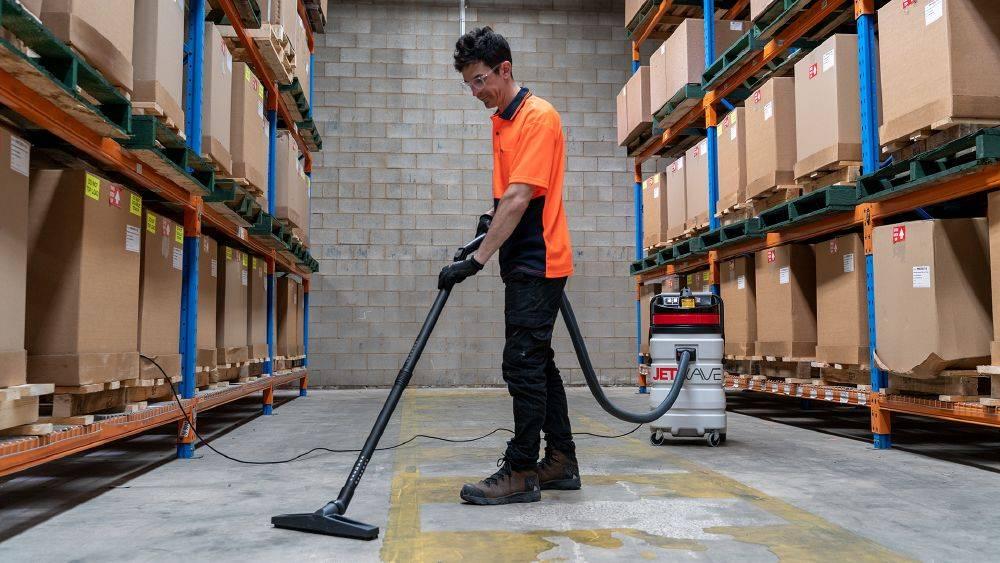
A commercial vacuum is an essential piece of equipment for businesses that need reliable, efficient, and consistent cleaning performance. Unlike standard household vacuums, commercial models are designed for frequent use in offices, hotels, warehouses, workshops, retail stores, and other professional environments. They are generally built with stronger components and are better suited to larger cleaning workloads.
What Is a Commercial Vacuum?
A commercial vacuum cleaner is a professional cleaning machine designed to remove dust, dirt, debris, and, in some models, liquids from larger areas. Depending on the application, businesses can choose from dry vacuums, wet and dry vacuums, canister models, drum vacuums, and heavy-duty industrial systems.
For workplaces dealing with different types of waste, a commercial wet dry vacuum can be particularly useful. These machines can collect both solid debris and liquids, reducing the need to use separate cleaning equipment.
Why Choose a Commercial Vacuum?
The biggest advantage of a commercial vacuum is its ability to handle demanding cleaning schedules. Professional cleaners may need to work for several hours each day, often covering large areas. A machine designed for commercial use can provide better durability and productivity than a typical domestic vacuum.
Commercial vacuums can help:
- Reduce cleaning time
- Improve dust and debris removal
- Handle larger cleaning areas
- Support regular professional cleaning
- Reduce repeated passes over the same surface
- Improve workplace cleanliness
For businesses, saving time can make a major difference. A powerful vacuum allows cleaning staff to complete jobs efficiently while maintaining consistent results.
Wet and Dry Commercial Vacuum Cleaners
One of the most versatile options is a wet and dry commercial vacuum cleaner. These machines are designed to collect dry materials such as dust, dirt, crumbs, and debris, while suitable models can also recover liquids.
Wet and dry vacuums are commonly useful in workshops, garages, factories, warehouses, kitchens, construction environments, and commercial facilities. Many professional models include float systems or automatic shut-off features designed to help prevent liquid from reaching the motor.
If your cleaning work involves both dry waste and liquid spills, choosing a wet and dry machine can make everyday cleaning considerably easier.
Important Features to Consider
Choosing the right commercial vacuum starts with understanding your cleaning requirements. Here are some important features to evaluate.
1. Suction Power
Strong suction is essential for removing dirt, dust, and heavier debris. Airflow and water-lift performance can both influence how effectively a vacuum collects different types of material.
2. Tank Capacity
A larger collection tank means the operator can collect more waste before stopping to empty the machine. However, bigger is not always better. The ideal capacity depends on the size and type of cleaning jobs you perform.
3. Filtration
A good filtration system helps capture dust and protects the vacuum's internal components. HEPA filtration may be appropriate for applications involving fine particles, but businesses should select filtration according to the specific material being collected and relevant safety requirements.
4. Durability
Commercial cleaning equipment needs to withstand regular use. Strong containers, sturdy wheels, reliable motors, and durable hoses can make a noticeable difference when equipment is used every day.
5. Mobility
Large facilities may require operators to move the vacuum across different rooms or work areas. Strong casters, ergonomic handles, hose storage, and practical accessory storage can make transportation and operation easier.
Commercial Vacuum vs Industrial Vacuum
Although the terms are sometimes used interchangeably, commercial and industrial vacuums are not always designed for the same workloads.
A commercial vacuum is generally suitable for professional cleaning in offices, hotels, retail spaces, schools, and medium-to-large facilities. Industrial vacuum cleaners are typically designed for more demanding applications involving heavy debris, continuous operation, industrial waste, or specialized dust collection.
The correct choice depends on the material being collected, operating hours, required filtration, and workplace conditions. Using an industrial machine for a simple cleaning task may be unnecessary, while a basic commercial machine may not be suitable for demanding industrial applications.
Where Are Commercial Vacuums Used?
Commercial vacuums have applications across many industries. Cleaning contractors use them for routine building maintenance, while hotels and restaurants use professional vacuum equipment to maintain guest and service areas.
Other common applications include:
- Offices and commercial buildings
- Hotels and hospitality facilities
- Warehouses
- Workshops and garages
- Retail stores
- Schools and institutions
- Manufacturing facilities
- Construction sites
- Automotive detailing businesses
Wet and dry models are especially useful where cleaning teams regularly encounter both solid debris and liquid spills.
How to Maintain a Commercial Vacuum
Regular maintenance can help keep a commercial vacuum operating efficiently. Empty the collection container before it becomes excessively full, inspect hoses for blockages, and clean or replace filters according to the manufacturer's instructions.
It is also important to check wheels, electrical connections, seals, and accessories regularly. If the vacuum starts losing suction, investigate the filter, hose, container, and other components before continuing to use it.
Proper maintenance not only supports cleaning performance but can also help extend the working life of the equipment.
Choosing the Right Commercial Vacuum
Before purchasing, think about the type of dirt you normally collect, the size of your cleaning areas, how frequently the machine will be used, and whether you need wet-and-dry functionality. Also consider tank capacity, filtration, suction performance, noise, mobility, accessories, and after-sales support.
A machine that matches the actual workload is usually a better investment than simply choosing the largest or most powerful model available.
For businesses looking for dependable professional cleaning equipment, jetwave group can be considered when comparing commercial vacuum solutions and equipment suited to demanding cleaning applications. The right machine can help cleaning teams work more efficiently while maintaining a consistently high standard.
Final Thoughts
A commercial vacuum is more than just a stronger version of a household cleaner. It is professional equipment designed around the demands of regular cleaning work. With the right combination of suction power, filtration, capacity, durability, and mobility, a commercial vacuum can make cleaning faster and more manageable.
Whether you operate a cleaning company, manage a warehouse, maintain a hotel, or run a workshop, choosing equipment based on your actual cleaning requirements will help you get better long-term value.
Categorias
Leia mais
Finding a reliable safe vault near me in Dubai is important when you want to protect valuable belongings, important documents, jewellery, cash, family heirlooms, and other possessions. Dubai is known for its modern infrastructure, strong security standards, and wide range of professional storage solutions. However, choosing the right vault facility requires careful consideration of security,...
Are you trying to find a way to keep your items fresh? Many people struggle with strong odors leaking out of regular plastic bags. Everyday plastic packaging has tiny pores that let air and smells pass through easily. This creates problems when you want to store herbs or food items safely. You need a reliable option that locks everything inside completely. Choosing smell-proof mylar bags solves...

We at Delhinight proudly present premium call girl in vasant kunj services. This affluent South Delhi neighborhood is known for its luxury apartments, shopping malls, and peaceful atmosphere, making it an ideal location for sophisticated and private companionship. Excellence In Vasant Kunj Area Vasant Kunj attracts many professionals and visitors who value quality and discretion. We have...

Dubai's climate doesn't leave much room for error when it comes to air conditioning. With outdoor temperatures regularly crossing 45°C in summer, a functioning HVAC system isn't a comfort feature, it's a necessity for homes, offices, and commercial spaces across the city. Choosing the right HVAC company in Dubai can be the difference between a cool, efficient building and...

With so many HVAC companies in Dubai advertising the same promises, low cost, fast service, guaranteed results, it's easy to end up choosing based on price alone. But the cheapest quote from an HVAC contractor Dubai wide isn't always the one that saves you money in the long run. This guide breaks down exactly what separates a dependable HVAC contractor in Dubai from one...