

LED Brake Lights vs. Halogen: Which Is Better for Your Vehicle?
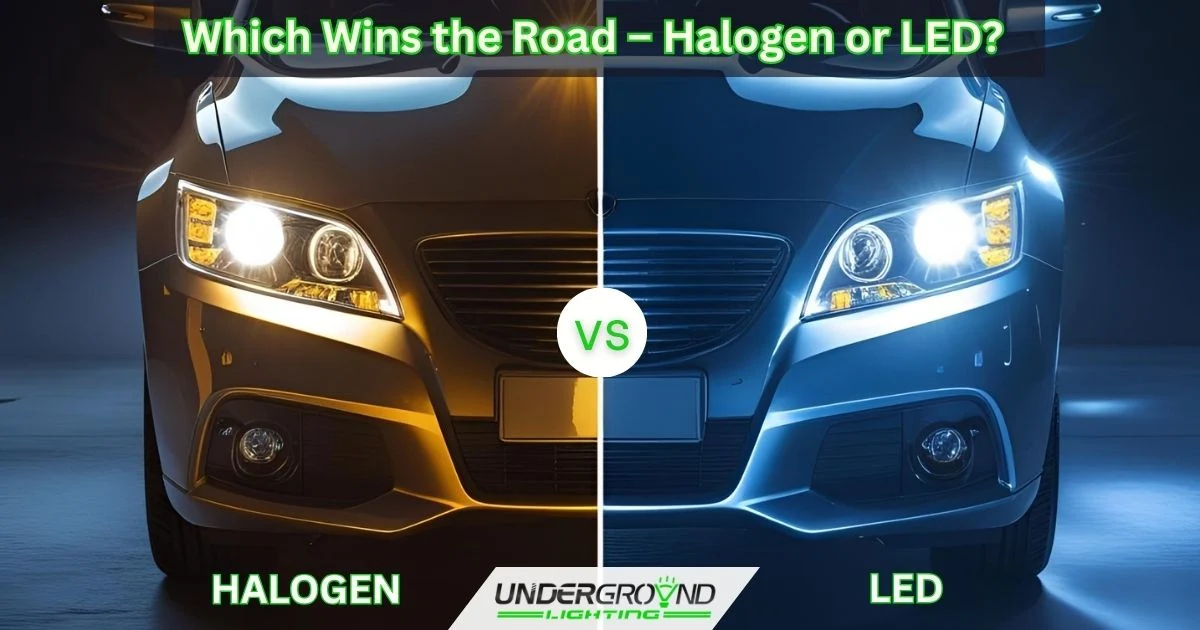
Brake lights are one of the most important safety features on your vehicle. They let drivers behind you know when you are slowing down or stopping.
For years, traditional bulbs were the standard. Today, LED brake lights are becoming a popular replacement because they are efficient, durable, and turn on almost instantly.
But is an LED upgrade really better than a traditional bulb? Let’s take a closer look.
LED vs. Traditional Brake Lights
The biggest difference is how they produce light.
Traditional bulbs use a filament that heats up to create light. LEDs use semiconductor technology instead, which allows them to produce light with less energy and without a fragile filament.
This gives LEDs several useful advantages:
- Faster illumination
- Lower power consumption
- Longer potential lifespan
- Better resistance to vibration
- Modern and consistent light output
The U.S. Department of Energy also notes that LEDs offer long life, energy efficiency, and resistance to vibration and breakage. U.S. Department of Energy – LED Basics
Why Choose LED Brake Lights?
Faster Response
LEDs illuminate almost immediately. While the difference may seem small, quicker illumination gives following drivers a little more time to recognize that your vehicle is braking.
Stop lamps are specifically designed for signaling braking, with standards such as SAE J586 covering motor-vehicle stop lamps.
Longer-Lasting Performance
Traditional bulbs have filaments that can eventually burn out from heat, vibration, and repeated use. LEDs don't use that same filament, which can make them a more durable option.
Of course, not every LED bulb is made the same. Quality, heat management, and construction all affect how long an LED actually lasts.
Lower Energy Use
LEDs generally require less electrical power to produce their light. This makes them an efficient choice for vehicle lighting, especially when several lights are operating at once.
How Do You Choose the Right LED Brake Bulb?
Buying an LED isn't simply a matter of picking the brightest bulb. It needs to work correctly with your vehicle.
1. Check the Bulb Size
First, find out which bulb your vehicle uses. Common sizes include 1156, 1157, 3156, 3157, 7440, and 7443.
Your owner's manual is usually the easiest place to confirm the correct size.
2. Check the Electrical System
Some modern vehicles monitor their bulbs electronically. Because LEDs use less power, an incompatible bulb can sometimes trigger a bulb-out warning or cause flickering.
If your vehicle has this type of system, look for an LED designed for that application.
3. Don't Choose Only by Brightness
A higher lumen number doesn't automatically mean a better brake light.
The bulb needs to work properly with the vehicle's reflector and lens to produce useful, controlled light.
4. Check the Color
Brake and tail lamps have specific color requirements. In the U.S., NHTSA states that stop and tail lamps are required to be red. NHTSA Vehicle Lighting Requirements
Always make sure the bulb and your existing lamp housing are suitable for the intended application.
Should You Replace Both Brake Bulbs?
If you're upgrading your brake lights, replacing both sides at the same time is usually a good idea.
You'll get:
- More consistent brightness
- Matching appearance
- Similar service life
- Fewer future replacements
It isn't always necessary, but it can make the finished upgrade look and perform more consistently.
Are LED Brake Lights Worth It?
For many vehicles, yes.
LED brake lights can provide faster illumination, lower energy consumption, good durability, and a modern lighting setup. But the most important thing is choosing a bulb that actually fits and works correctly with your vehicle.
If you're looking for compatible automotive LED lighting, you can explore the options available from Underground Lighting and choose according to your vehicle's specific requirements.
Final Thoughts
Switching from traditional bulbs to LEDs doesn't have to be complicated.
Just remember three things: get the correct bulb size, check electrical compatibility, and choose a quality LED designed for automotive use.
With the right bulb, you can enjoy a brighter, faster, and more dependable brake-light setup without making major changes to your vehicle.
Categorie
Leggi tutto
The United Arab Emirates has established itself as a global hub for technology, innovation, and digital business. As organizations across Dubai, Abu Dhabi, and other emirates seek greater efficiency and competitiveness, digital transformation solutions UAE have become an essential part of modern business strategy. These solutions help organizations replace outdated processes, connect systems,...

Enterprise Content Management Market Overview The Enterprise Content Management Market Research Report provides an extensive examination of strategies, micro and macro market trends, pricing analysis, short-term market conditions, and a comprehensive assessment of primary competitors. The report delves into forthcoming trends projected to shape the evolution of...

A great middle eastern restaurant offers an immersive experience rooted in genuine hospitality and shared dining culture. Combining aromatic spices and communal plates recreates the comforting warmth of a family home. Dining out becomes a celebration of connection and togetherness. Walking into a vibrant Middle Eastern dining room brings an immediate sensory shift. Spices drift through the air,...

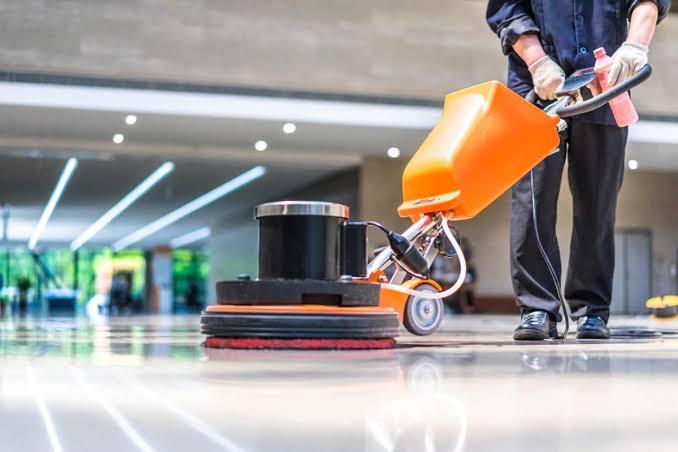
Keeping floors clean is about much more than appearance. A well maintained floor creates a healthier environment, extends the life of the flooring, and leaves a lasting impression on everyone who enters your home or business. Whether you own a commercial property, manage an office, or want your home to look its best, investing in Floor Cleaning and Waxing Etobicoke services is one of the...
Need a reliable Babysitter In Pune? Good Maid India offers trained, caring, and background-verified babysitters who provide safe and attentive childcare at your home. Our caregivers assist with feeding, bathing, playtime, learning activities, and daily routines while ensuring your child's comfort and well-being. We proudly serve Kothrud, Baner, Hinjawadi, Wakad, Viman Nagar, Kharadi,...