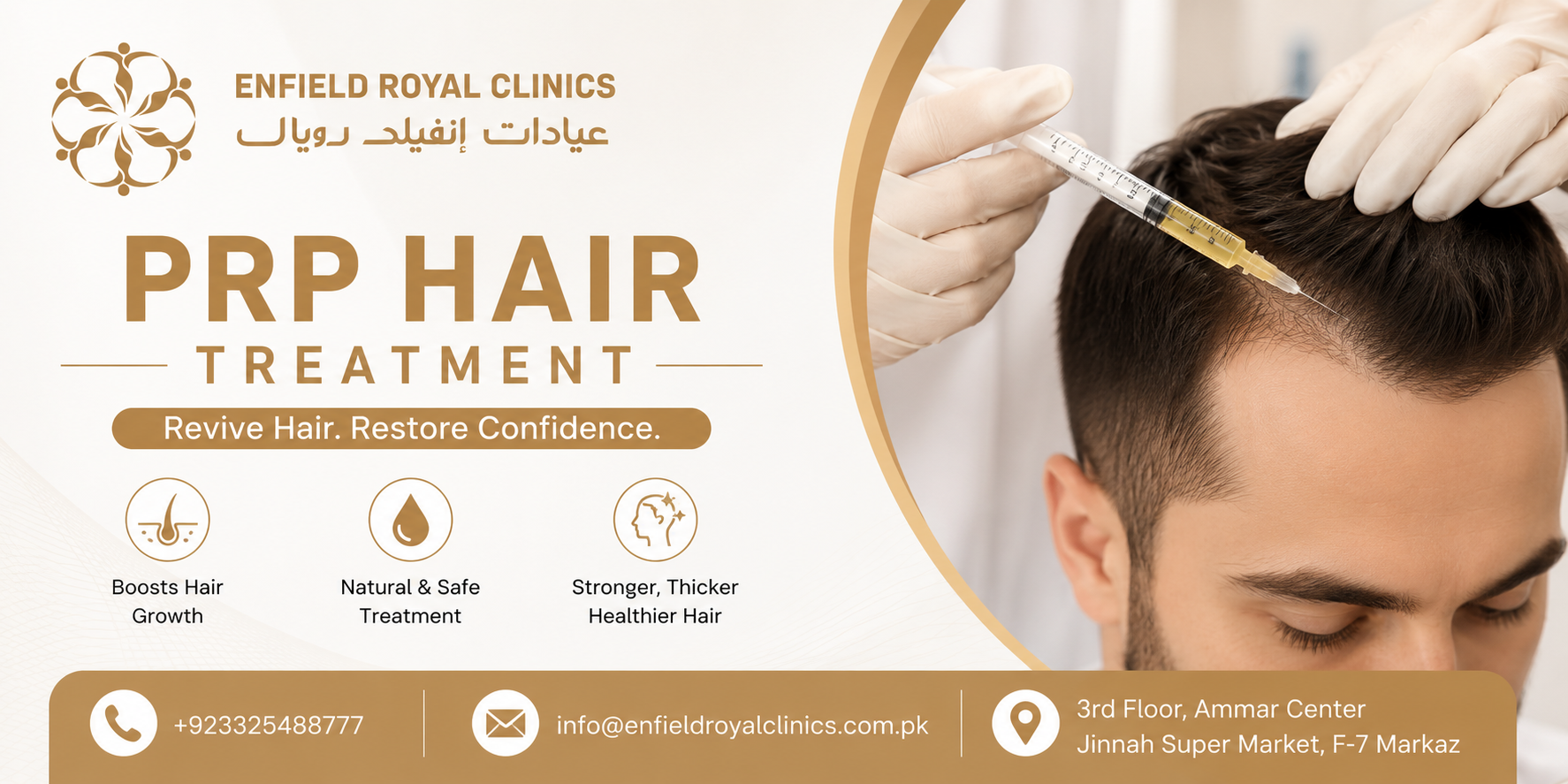
PRP Hair Treatment is a minimally invasive procedure that has become an option for people experiencing certain types of hair thinning. Unlike surgical hair restoration, it does not involve large incisions, stitches, or removal of hair follicles.
One of the common questions patients have before treatment is whether they will need to take time off work or normal activities. In most cases, extensive downtime is not expected. However, temporary scalp sensitivity, redness, or mild swelling can occur after the injections.
Understanding the recovery process can help you plan your appointment and follow appropriate aftercare.
Does PRP Require Recovery Time?
Generally, PRP does not require significant downtime. Many people are able to return to their regular activities relatively soon after the session.
Because the procedure involves multiple small injections into the scalp, the treated area may feel sensitive afterward. Some patients may experience mild redness, tenderness, or swelling around the injection points.
These effects are usually temporary. The exact recovery experience can vary depending on individual sensitivity, the size of the treatment area, and the number of injections performed.
Can You Go Back to Work After Treatment?
For many patients, returning to work after the appointment is possible. The procedure usually does not cause the type of physical limitations associated with surgical hair restoration.
However, people who work outdoors, perform strenuous physical labor, or are exposed to excessive heat and dust may need to take additional precautions.
If your scalp looks slightly red or feels tender, you may prefer to schedule your appointment at a convenient time when you can rest afterward.
How Long Does Scalp Redness Last?
Temporary redness can appear around the injection sites. The duration varies from person to person.
Some individuals may experience very little visible redness, while others may notice it for a short period after treatment. Mild swelling or small raised areas can also occur where the injections were administered.
Following the clinic's aftercare instructions can help minimize irritation while the scalp settles.
Is Exercise Allowed After Treatment?
Although extensive downtime is generally unnecessary, strenuous exercise may be restricted temporarily.
Intense workouts can increase sweating and blood circulation, potentially making the scalp feel more irritated. Activities that cause excessive friction or pressure on the treated area may also be best avoided initially.
Your provider can tell you when it is appropriate to return to your usual exercise routine based on the treatment protocol and your individual recovery.
Can You Wash Your Hair Normally?
Hair-washing instructions can differ between clinics. Some providers may recommend waiting for a specific period before washing, while others may allow gentle washing sooner.
The safest approach is to follow the instructions given by your treating professional.
When you are allowed to wash your hair, avoid vigorous rubbing, scratching, or using irritating products on the treated scalp. Gentle handling can help reduce unnecessary discomfort.
Should You Avoid Heat and Sun?
Excessive heat may make a recently treated scalp feel more uncomfortable. Patients may therefore be advised to temporarily avoid saunas, steam rooms, very hot showers, and prolonged heat exposure.
Direct sunlight may also irritate sensitive skin.
If you need to spend time outside, ask your provider how to protect your scalp appropriately. Avoid applying products that have not been recommended for use immediately after treatment.
Can You Use Hair Styling Products?
Immediately after treatment, some styling products may irritate the injection sites. Hair sprays, gels, oils, dyes, and other products may therefore need to be avoided temporarily.
Your provider can tell you when it is safe to return to your normal styling routine.
Avoiding unnecessary products during the early recovery period can help minimize irritation and keep the scalp comfortable.
What Can You Expect During the First Few Days?
The first few days are generally focused on allowing the scalp to settle. Mild tenderness or sensitivity may occur, particularly when touching or brushing the treated area.
Some patients may notice minor swelling or redness. These effects usually improve gradually.
It is important not to repeatedly touch, scratch, or massage the treated area unless your provider specifically recommends doing so.
When Can You Resume Normal Activities?
Most normal daily activities can often be resumed quickly. However, the exact timing for exercise, hair washing, swimming, heat exposure, and other activities should be based on your provider's instructions.
There is a difference between being able to return to daily life and being able to resume every activity immediately. Even when you feel well, the scalp may still need some protection during the early recovery period.
Does Downtime Affect Hair Growth Results?
Downtime and hair growth are two different things. A patient may recover from the injections quickly, but visible changes in hair thickness and density take considerably longer.
Hair follicles follow natural growth cycles, so improvements usually develop gradually over several weeks or months.
Some patients may notice changes in shedding or hair texture before seeing a noticeable difference in density.
The timeline varies according to the cause of hair loss, follicle condition, treatment plan, and individual response.
When Should You Contact Your Provider?
Mild redness, tenderness, and temporary swelling can be expected after scalp injections. However, unusual or worsening symptoms should not be ignored.
Contact your provider if you experience severe or increasing pain, significant swelling, unusual discharge, signs of infection, or symptoms that do not improve as expected.
Your treating professional can determine whether the reaction is part of normal recovery or requires further evaluation.
Final Thoughts
So, is there any downtime after PRP Hair Treatment? Most patients do not require significant downtime, and many can return to normal daily activities relatively quickly. However, temporary redness, tenderness, swelling, or scalp sensitivity may occur.
You may need to temporarily limit strenuous exercise, excessive heat, swimming, or certain hair products depending on your provider's instructions.
The procedure itself may have a short recovery period, but hair growth takes much longer. Visible improvements in thickness and density generally develop gradually over several months.
Following personalized aftercare instructions and attending recommended follow-ups can help support a smooth recovery and realistic evaluation of your results.