


High Performance Aluminum Cable Solutions for Modern Power Systems
In contemporary electrical engineering and power distribution, selecting appropriate conducting materials stands as a foundational decision impacting system performance, long-term efficiency, and project capital allocation. Electrical networks across municipal, industrial, renewable energy, and commercial domains require reliable, high-capacity transmission channels capable of sustaining continuous thermal loads while resisting environmental stressors. Within this landscape, aluminum cable technology has established itself as an indispensable standard for medium, high, and extra-high voltage transmission lines, as well as critical sub-feeder circuits and low-voltage distribution systems.
The fundamental shift toward adopting aluminum conductors across various grid infrastructures began over half a century ago, driven primarily by raw material availability, structural weight savings, and economic feasibility. Today, modern metallurgical engineering has elevated standard conductor designs far beyond legacy formulations, producing high-grade alloys that deliver exceptional mechanical stability, elevated conductivity, and robust operating lifespans. As global power grids undergo rapid modernization to accommodate expanding renewable energy generation, smart grid control systems, and widespread electrification, understanding the operational mechanics, structural design, and deployment protocols of modern wire and cable systems becomes paramount for engineers, utility developers, and procurement specialists alike.
Electrical conductors serve as the main circulatory system of modern societal infrastructure. Whether transferring bulk megawatt capacity across thousands of kilometers of mountainous terrain or supplying heavy industrial machinery within manufacturing facilities, the physical medium carrying electrical current must balance electrical resistance, tensile strength, structural mass, and thermal endurance. The continuous development of insulated wire and cable architectures featuring advanced aluminum conductors offers a balanced approach between electrical throughput and structural practicality, positioning this technology at the forefront of modern electrical system design.
To understand the role of aluminum cable in contemporary power networks, one must examine the metallurgical composition and physical characteristics that govern electrical performance. Conductive aluminum utilized in wire and cable manufacturing primarily falls into specific grade classifications, each optimized for distinct operational demands. Historically, Electrical Conductor grade aluminum, commonly known as EC grade or 1350 aluminum alloy, constituted the majority of bare and insulated conductor products. Containing a minimum of 99.5 percent pure aluminum, 1350 aluminum provides excellent electrical conductivity—approximately 61 percent of the International Annealed Copper Standard—while maintaining a density nearly one-third that of traditional copper conductors.
However, pure aluminum possesses relatively low mechanical tensile strength and a higher susceptibility to thermal creep under sustained mechanical stress and elevated operating temperatures. Thermal creep refers to the slow, permanent deformation of a metal subjected to long-term mechanical stress at temperatures well below its melting point. In early electrical applications, this property required meticulous installation procedures to prevent connector loosening at junction points. To resolve these operational challenges, metallurgical engineers developed the AA-8000 series aluminum alloy system, specifically engineered for building wire, armored power cables, and multi-conductor industrial assemblies.
The AA-8000 series alloys incorporate controlled trace quantities of elements such as iron, copper, and silicon. This precise alloying process alters the grain structure of the metal, dramatically enhancing tensile strength, flexibility, elongation characteristics, and creep resistance without sacrificing electrical conductivity. Modern aluminum cable constructed with AA-8000 series alloy conductors exhibits exceptional flexibility, enabling easier pulling through conduit networks, tighter bending radii during installation, and long-term connection integrity when terminated with appropriate compression or mechanical lugs.
The physical weight differential between aluminum and alternative conductive metals represents one of its most transformative engineering traits. Because aluminum is approximately three times lighter than copper for an equivalent volume, a larger cross-sectional area of aluminum can be utilized to achieve the exact same ampacity while still delivering a conductor assembly that weighs roughly half as much as its copper equivalent. This dramatic reduction in total cable mass directly decreases structural loading on utility poles, transmission towers, cable trays, aerial support structures, and building framework. Consequently, engineering teams can design wider support spans, reduce structural steel quantities, and simplify subterranean duct installations, resulting in substantial structural and logistical cost efficiencies across large-scale electrical infrastructure projects.
The industrial wire and cable market encompasses a broad spectrum of specialized conductor configurations designed to meet distinct voltage requirements, mechanical stresses, and environmental exposure levels. Aluminum cable designs range from bare overhead conductors engineered for atmospheric exposure to multi-layered, heavily shielded submarine and direct-burial underground cables.
In overhead power transmission and distribution lines, bare conductors remain the dominant technology. Several standardized structural designs have been engineered to address specific physical span distances, sag limitations, and environmental loading conditions:
All Aluminum Conductor (AAC): Constructed entirely of 1350 aluminum wires stranded concentrically. AAC conductors are primarily deployed in urban low-voltage distribution networks and short-span overhead distribution applications where support structures are spaced close together and mechanical tensile loads remain modest.
All Aluminum Alloy Conductor (AAAC): Manufactured using high-strength aluminum-magnesium-silicon alloys (such as the 6201 alloy group). AAAC conductors offer significantly higher mechanical tensile strength and improved resistance to atmospheric corrosion compared to standard EC grade conductors. This renders them ideal for overhead distribution lines in coastal environments or areas subjected to heavy wind loads and ice accumulation.
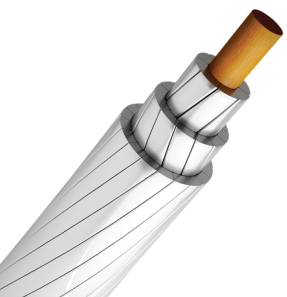
Aluminum Conductor Steel Reinforced (ACSR): Featuring a central core composed of high-strength galvanized or aluminum-clad steel strands surrounded by one or more outer layers of stranded aluminum wires. The central steel core bears the majority of the mechanical tension, allowing for long span lengths between transmission towers with minimal conductor sag, while the outer high-conductivity aluminum strands carry the bulk of the electrical current. ACSR remains one of the most widely deployed overhead conductor formats in regional transmission grids across the world.
Aluminum Conductor Composite Reinforced (ACCR) and High-Temperature Low-Sag (HTLS) Designs: Representing modern technological advancements, these specialized conductors utilize advanced composite or carbon-fiber core materials surrounded by heat-resistant aluminum alloys. These advanced wire and cable configurations allow utility operators to double the power carrying capacity of existing rights-of-way without replacing physical support towers or incurring excessive thermal sag.
For insulated power distribution systems—including underground utility networks, commercial service entrances, and heavy industrial facilities—aluminum cable assemblies are manufactured with high-grade polymeric insulation and outer protective sheathing. Low-voltage and medium-voltage cable designs typically incorporate cross-linked polyethylene (XLPE) or ethylene propylene rubber (EPR) insulation. XLPE insulation delivers exceptional dielectric strength, elevated moisture resistance, and superior thermal performance, allowing continuous conductor operating temperatures up to 90 degrees Celsius and emergency overload temperatures up to 130 degrees Celsius.
In heavy industrial facilities, petrochemical plants, and underground duct systems, insulated power cables frequently incorporate metallic armor layers. Armored aluminum cable constructions utilize interlocked aluminum tape or continuously corrugated seamless aluminum sheaths. This protective outer armor layer delivers robust mechanical protection against physical impact, crushing forces, rodent intrusion, and environmental abrasion during installation and operation. Furthermore, multi-conductor cable designs incorporate inner bedding materials, moisture-blocking tapes or swellable powders, and tough outer jackets composed of polyvinyl chloride (PVC) or high-density polyethylene (HDPE) to guarantee long-term operational integrity in harsh, wet, or chemically aggressive environments.
The practical adoption of aluminum cable spans virtually every sector of global power infrastructure. Its versatile structural parameters and electrical properties make it the primary choice for diverse applications demanding efficient bulk electrical power transfer and robust physical endurance.
Utility Power Grids and Subterranean Distribution: Municipal utility providers rely heavily on high-grade aluminum cable networks for both overhead high-voltage transmission and subterranean medium-voltage feeder circuits. In underground residential distribution (URD) systems, direct-burial single-phase and three-phase aluminum conductors insulated with XLPE carry power from substations to pad-mounted transformers. The lightweight nature of these cables simplifies trenching, conduit pulling, and subterranean vault interconnections, reducing installation timelines and labor demands for utility crews.
Renewable Energy Infrastructure: The rapid expansion of utility-scale solar photovoltaic (PV) power plants and onshore or offshore wind farms has driven immense demand for specialized wire and cable solutions. In solar farms, high-capacity direct-current (DC) feeder cables transport harvested energy from inverter stations to main step-up transformers. Because solar installations frequently cover hundreds of acres, deploying high-grade aluminum cable across main DC trunk lines and alternating-current (AC) output circuits substantially lowers project material expenditure while maintaining peak electrical transmission efficiency. Similarly, wind energy farms utilize flexible aluminum power cables within turbine towers and collector networks, benefiting from reduced conductor weight inside elevated nacelles and vertical cable runs.
Industrial Manufacturing and Heavy Industry: Heavy industrial manufacturing facilities, steel mills, paper processing plants, and mining operations require extensive electrical distribution networks to power heavy machinery, arc furnaces, and central motor control centers. Armored aluminum cable feeders installed on overhead cable tray systems provide reliable power distribution throughout vast facility footprints. The inherent corrosion resistance of aluminum, combined with protective outer jackets, makes these cable assemblies exceptionally suitable for environments exposed to industrial airborne contaminants, moisture, and chemical vapors.
Commercial Architecture and Service Entrances: In modern commercial building construction, large-diameter conductors are required to transport bulk power from utility service transformers into central switchgear, power distribution panels, and building risers. Employing feeder-grade aluminum cable for main service entrances and heavy branch circuits provides mechanical reliability and space efficiency while optimizing overall electrical construction budgets. Modern building codes around the globe explicitly approve and standardize the use of AA-8000 alloy conductors for commercial distribution networks, ensuring high standards of occupant safety and grid stability.
Data Centers and Critical Infrastructure: High-density data processing facilities demand robust electrical delivery architectures to feed continuous power to thousands of processing servers, cooling units, and uninterruptible power supply (UPS) systems. Utilizing medium and low-voltage aluminum power distribution cables within overhead cable tray ladders allows facility operators to maintain continuous power flow, simplify structural tray support requirements, and optimize thermal dissipation across dense equipment rows.
Achieving maximum performance, safety, and longevity from an aluminum cable installation requires strict adherence to established electrical standards, correct mechanical handling, and precise termination procedures. While modern alloys have effectively eliminated historical issues related to thermal creep, improper installation practices remain the primary cause of localized connection overheating or premature system degradation.
Understanding Surface Oxidation and Electrical Preparation: When raw aluminum metal is exposed to ambient atmosphere, a thin, transparent layer of aluminum oxide forms almost instantaneously on its outer surface. While this microscopic oxide layer provides beneficial natural corrosion protection to the metal, aluminum oxide acts as an electrical insulator. Therefore, proper conductor preparation is essential prior to making electrical connections. Installers must mechanically wire-brush the bare conductor strands to break up the oxide film and immediately apply an approved anti-oxidant joint compound. The anti-oxidant compound prevents atmospheric oxygen from re-oxidizing the surface while sealing out moisture and environmental contaminants.
Termination Hardware and Bimetallic Connectors: Connecting an aluminum cable to electrical busbars, circuit breakers, or disconnect switches requires hardware specifically designed and rated for aluminum conductors. Connectors labeled dual-rated or marked with AL7CU or AL9CU ratings are explicitly engineered to accommodate both aluminum and copper conductors at elevated temperature ratings (70 degrees Celsius and 90 degrees Celsius, respectively). When connecting aluminum conductors directly to copper busbars or terminals, bimetallic lugs or specialized transition washers must be used. Bimetallic connectors feature a factory-friction-welded junction between pure copper and electrical-grade aluminum, preventing galvanic corrosion—a localized chemical breakdown that occurs when two dissimilar metals interact in the presence of an electrolyte, such as moisture.
Mechanical Compression and Torque Control: Achieving proper mechanical contact pressure is vital for long-term electrical reliability. Loose connections introduce electrical resistance, leading to localized heating, terminal degradation, and eventual connection failure. Modern installation standards mandate the use of calibrated torque wrenches to ensure that mechanical set-screws and terminal bolts are tightened precisely to manufacturer specifications. In high-voltage and heavy industrial applications, compression-type connectors (crimp lugs) applied with hydraulic crimping tools are preferred. Compression terminations cold-weld the aluminum strands together within a seamless aluminum sleeve, creating a gas-tight, low-resistance connection that withstands thermal cycling and physical vibration over decades of operation.
Thermal Inspection and Predictive Maintenance: In critical commercial and industrial power systems, implementing predictive maintenance routines guarantees continuous operational uptime. Infrared thermography (thermal imaging) serves as a non-destructive testing method to monitor operational power networks under normal electrical loads. Certified thermographers scan junction boxes, terminal lugs, switchgear connections, and cable splices to detect subtle temperature anomalies. An unexpected hot spot along a cable run or terminal block alerts maintenance technicians to potential connector loosening, improper torque, or phase imbalances, allowing proactive corrective action long before equipment downtime or electrical faults can occur.
As global industrial sectors increasingly prioritize environmental sustainability, life-cycle carbon management, and resource optimization, evaluating the eco-efficiency of wire and cable selection has become an integral part of modern power engineering.
Resource Availability and Environmental Impact: Aluminum represents one of the most abundant metallic elements present within the Earth's crust, occurring far more plentifully than alternative conductive metals. The primary extraction and refining processes for aluminum have undergone significant technological improvements over recent decades, driven by widespread adoption of hydroelectric power and renewable energy sources at smelting facilities. Furthermore, aluminum exhibits outstanding recyclability; recycling aluminum conductors requires only about 5 percent of the energy initially needed for primary extraction, without experiencing any degradation in physical or electrical properties. This circular economic lifecycle makes modern aluminum cable an environmentally responsible choice for sustainable construction projects and green energy grid initiatives.
Transport Dynamics and Carbon Reduction: The significant weight advantage of aluminum wire and cable directly impacts logistics and transportation dynamics across the supply chain. Transporting lighter cable reels requires substantially less fuel consumption, reducing scope 3 carbon emissions associated with long-distance freight delivery to remote job sites, offshore wind developments, and expansive utility projects. Furthermore, lighter cable reels reduce physical strain on installation crews, minimizing workplace injury risks and enabling faster, more efficient cable pulling operations.
Economic Optimization and Grid Resilience: From a financial perspective, raw material cost stability represents a significant advantage for project developers and utility planners. Because aluminum market prices remain far less volatile than secondary conductive metals, engineering firms and electrical contractors can produce accurate cost estimates, reduce capital contingency buffers, and streamline long-term procurement budgets. By lowering upfront material expenditures without compromising electrical conductivity or operational safety, power project operators can allocate financial resources toward grid intelligence, advanced monitoring technologies, and renewable generation equipment.
Future Innovations in Conductor Science: Continuous research and development in conductor science continue to push the operational boundaries of aluminum-based power cables. Emerging technologies—such as carbon-nanotube enhanced aluminum alloys, advanced ceramic coatings for fire resistance, and micro-alloyed ultra-high conductivity formulations—promise to deliver even greater current-carrying capacity, reduced electrical resistance, and elevated temperature tolerances. These ongoing innovations ensure that high-grade aluminum cable solutions will remain a foundational pillar of future smart power distribution grids, microgrid networks, and high-efficiency energy transmission networks worldwide.
Final Thoughts Selecting appropriate conductor systems represents one of the most critical engineering decisions in modern electrical infrastructure development. Modern high-performance aluminum cable products, manufactured with advanced AA-8000 series alloys and state-of-the-art polymer insulation, deliver an exceptional balance of mechanical strength, electrical conductivity, weight efficiency, and long-term operating reliability. By adhering to industry-standard installation protocols, utilizing proper dual-rated termination hardware, and maintaining proactive thermographic monitoring, power utility operators, industrial facility managers, and electrical engineering firms can achieve seamless electrical power transmission across demanding utility, commercial, and renewable energy applications. As global power demand expands and energy systems transition toward sustainable technologies, engineered aluminum wire and cable architectures will continue serving as a reliable backbone for world-class energy distribution networks.
Categories
Read More
In the ever-evolving world of fashion, few brands have captured the attention of young people as quickly as Syna World. Known for its stylish designs, premium quality, and modern streetwear aesthetic, Syna World has become more than just a clothing brand. It represents creativity, confidence, and individuality. With every collection, the brand continues to inspire fashion enthusiasts who...
With the increasing competition between websites on the Internet, getting yourself featured on the first page of Google will no longer be sufficient. You will have many inquiries from your local business via Google Maps and local search engines. Google My Business, or simply GMB, is regarded to be one of the most effective methods by which a business can reach its targeted local audience....

The accelerating imperative to mitigate global climate change has thrust emissions management from a niche compliance requirement into a boardroom priority. Across international borders, industrial entities, financial institutions, and governance bodies are actively seeking structural mechanisms to monitor, offset, and monetize greenhouse gas output. In this evolving landscape, carbon trading...
Introduction Your website is often the first impression people have of your business. In a competitive market like Dubai, having a website that simply looks good is not enough. It needs to be fast, easy to use, mobile-friendly, trustworthy, and designed to turn visitors into customers. But with so many companies offering Web Design Dubai services, how do you know which one is actually...

Enhanced oil recovery (EOR) encompasses a suite of advanced techniques designed to extract the significant portion of oil that remains trapped in reservoirs after primary and secondary recovery methods have been exhausted. MEOR is a growing part of this broader EOR toolkit, offering a unique set of advantages that complement thermal, chemical, and gas injection methods. Findings...